



The Core Rule: Different Job, Different Coat
The most important question to ask is not 'Do I need another coat?' but 'Does this new coat do something my current one cannot?'. The goal of a second coat is to fill a genuine gap in your wardrobe, not to be a slightly different version of what you already
own. Most people are well-served by two distinct coats: one for cold, wet weather and another for cold, dry days, or one for casual wear and another for more formal settings. If your current workhorse is a heavy-duty parka, a sleek wool overcoat for professional or dressy occasions is a smart addition. Conversely, if you own a classic wool coat, a waterproof puffer might be the practical backup you're missing for weekend errands or deep freezes. The mistake is buying another black wool coat because the lapels are marginally different.
Your Climate and Lifestyle Audit
Before you buy, take stock of your reality. Someone living in a region with winters that swing from damp 40-degree days to bone-chilling blizzards needs a more varied coat wardrobe than someone in a consistently dry, cold climate. Consider your weekly routine. Do you commute on public transit, exposing you to the elements for extended periods? Or is your longest walk from your car to a heated office? A stylish but less-insulated topcoat might be perfect for a driver, but a commuter will need something that can handle wind and precipitation. Your weekend activities matter, too. If you spend Saturdays on the sidelines of a soccer field, a long, insulated parka is a necessity, not a luxury.
The Workhorse vs. The Specialist
Think of your coat collection as a small, specialized team. Your first coat is often the 'workhorse'—a versatile, neutral-colored piece that handles the majority of winter days. This could be a black, navy, or camel coat in a classic cut. A second coat, the 'specialist,' is brought in for specific assignments. This is where you can address the unique demands of your life. The specialist might be a high-performance parka designed for extreme cold and snow, offering a level of protection your everyday wool coat can't match. Or it might be a refined, elegant overcoat made of fine cashmere or wool, perfect for wearing over a suit or to an evening event where a bulky puffer would feel out of place.
Key 'Specialist' Categories to Consider
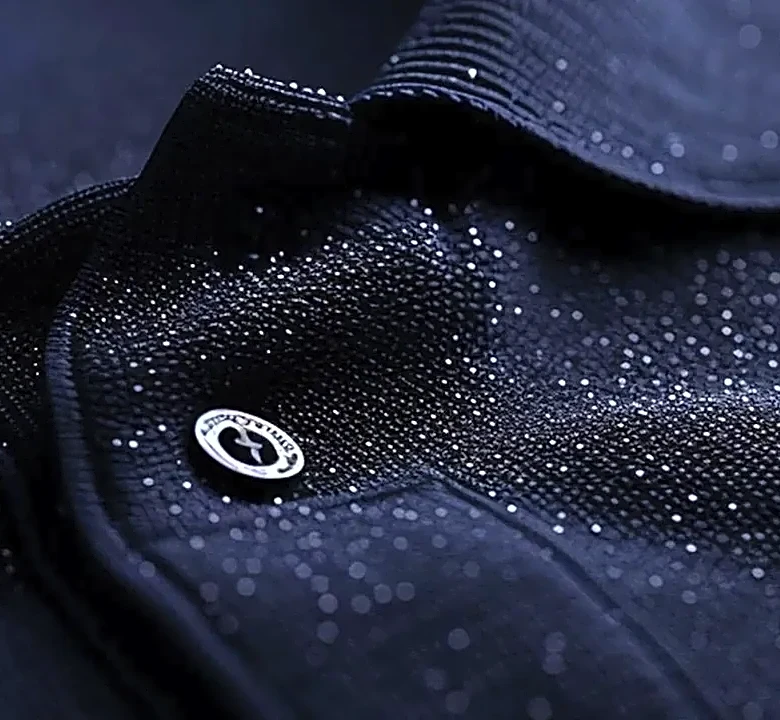
If you've identified a gap, here are the primary types of 'specialist' coats to consider. The Puffer or Parka is your go-to for serious warmth and casual comfort, built to handle snow and frigid temperatures with down or synthetic insulation. The Wool Overcoat is the classic choice for professional and formal settings, providing timeless elegance that looks polished over tailored clothing. A dedicated Rain-Proof Shell is a game-changer in milder, wetter climates where a wool coat would get soaked and a heavy parka is overkill. Finally, there's the Statement Coat—a piece chosen for its bold color, unique texture, or dramatic silhouette. While not a practical necessity for warmth, it serves the function of adding joy and personality to your winter wardrobe.