







The Weight of the Number 9
More than any other player on the pitch, the striker carries the crushing weight of expectation. Their identity is inextricably linked to scoring goals. Defenders and midfielders operate within a system of shared responsibility, but the striker’s role
is brutally singular: put the ball in the net. This immense pressure is a constant companion. They are signed for millions, celebrated for their killer instinct, and are expected to deliver in the moments that define seasons. The best strikers learn to reframe this pressure, viewing it not as a threat but as an opportunity to shine. They develop a unique psychological armor, a blend of confidence, focus, and emotional control that separates the elite from the merely talented.
Anatomy of a Goal Drought
Confidence is a striker's currency, and a goal drought can lead to psychological bankruptcy. It often starts with a single miss. A sitter. An open goal that will be replayed endlessly. Doubt begins to creep in. What was once instinctual becomes mechanical and overthought. Suddenly, the goal shrinks, and the keeper looks like a giant. This mental battle is where seasons are lost. Players start passing instead of shooting, dropping deeper into midfield out of frustration, and trying to force the play. The media scrutiny intensifies, and the groans from the crowd grow louder with every misplaced shot. Even the world's best aren't immune; elite Premier League forwards convert only about 25% of their shots, meaning they fail three times more often than they succeed. The challenge isn't just scoring; it's maintaining unwavering self-belief through the inevitable dry spells.
The Agony of the Open Goal
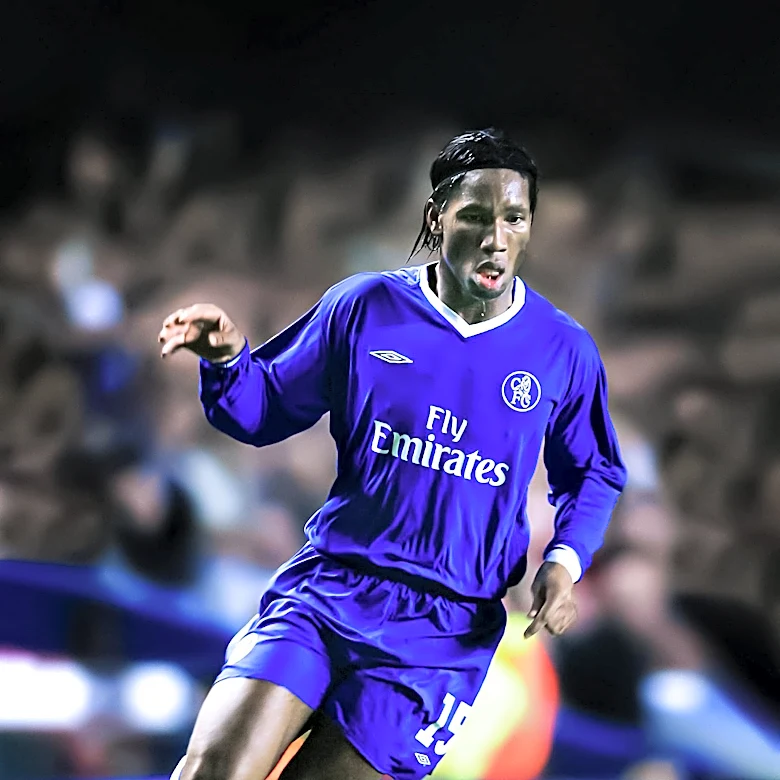
There is no lonelier place in sports than standing over a missed opportunity. Think of Fernando Torres, who, after a record-breaking transfer to Chelsea, rounded the keeper only to slice the ball wide of an empty net. That single miss became a symbol of his dramatic decline, a physical manifestation of shattered confidence. Or Roberto Baggio, one of Italy's greatest players, whose missed penalty in the 1994 World Cup final gifted the trophy to Brazil. These moments are so jarring because they look simple to the millions watching. But in that split second, the weight of the game, the season, and a career can cause a player's body and mind to disconnect. It’s a phenomenon sports psychologists call choking, where an inward focus on the fear of failure sabotages an otherwise automatic skill.
The Road Back to Glory
How does a striker break the cycle? The path to redemption isn’t about rediscovering a forgotten talent; it's about rebuilding mental fortitude. Coaches often advise players to get back to basics: focus on making good runs, staying in dangerous positions, and simplifying their game. The goal is to stop overthinking and let instinct take over again. Sometimes it takes a friendly match against weaker opposition just to feel the ball hit the net. Often, redemption comes from a single, scrappy, undeserved goal—a deflection, a tap-in—that breaks the psychological dam. That one goal restores the feeling of invincibility. Suddenly, the game slows down, the goal looks bigger, and the striker is once again the master of their destiny, ready for the next chance.
One Kick, Two Legacies
A striker's career can be defined by these moments. After being vilified for a red card in the 1998 World Cup, David Beckham found redemption by scoring the crucial free-kick that sent England to the 2002 tournament. Brazil’s Ronaldo Nazário suffered a mysterious seizure before the 1998 final, a shadow of himself in a crushing defeat. Four years later, he exorcised those demons by scoring both goals in the 2002 World Cup final to lead his country to glory, completing one of football's greatest redemption stories. These narratives remind us that for every heartbreaking miss, there is the possibility of a heroic goal. It is this duality that makes the striker's journey so compelling.