


The Illusion of Endless Choice
Our modern entertainment landscape is defined by abundance. For the monthly cost of one or two fancy coffees, services like Netflix, Disney, and Max offer a seemingly infinite library of films and shows. A typical household might subscribe to several,
creating a tidal wave of content. Yet, this abundance often leads to decision fatigue and passive consumption. How many hours have you spent scrolling, only to settle on something you half-watch while scrolling on your phone? The content fills time, but it rarely makes a lasting mark. A month later, can you truly remember what you watched on that random Tuesday? This is the paradox of choice: when everything is available, nothing feels special.
The Science of Spending on Happiness
There’s a reason the glow from a great vacation lasts longer than the thrill of a new gadget. Decades of psychological research have shown that people derive more sustained happiness from spending money on experiences rather than material possessions. Researchers from Cornell University and the University of Texas at Austin found that experiences, from attending events to dining out, contribute more to our happiness before, during, and after the fact. The anticipation of the event, the joy of the moment itself, and the fond memories we revisit for years all combine to create a powerful return on our emotional investment. A stream is a product, consumed and then gone. A concert is a memory, stored and savored.
You Can’t Stream Shared Energy
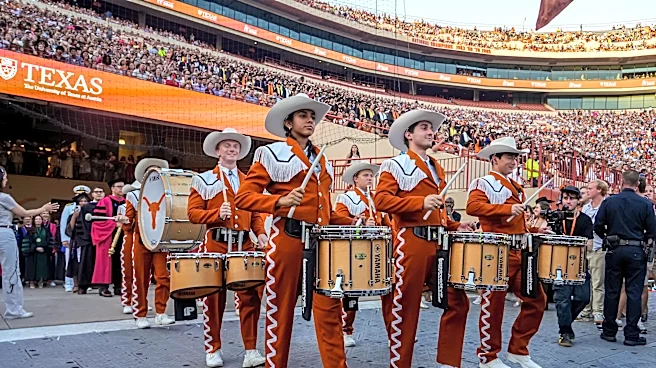
Think back to the last great live event you attended. The moment the lights went down. The collective roar of the crowd. Singing along to a favorite song with thousands of strangers who, for a few hours, feel like your closest friends. That communal energy is something that simply cannot be replicated through a screen. We are social creatures, and the feeling of belonging and shared excitement is a profound human need. An algorithm can recommend what to watch next, but it can’t provide the spontaneous, unscripted connection of a live performance. In an increasingly digital and isolated world, these moments of collective joy are more valuable than ever.
Embracing the Value of Scarcity
Part of what makes a premium ticket so expensive is its scarcity. There are only so many seats, on so many nights, in so many cities. The event is a unique, unrepeatable moment in time. Streaming, by its nature, is the opposite; it’s built on immediate and universal access. The “experience economy,” now a trillion-dollar global market, is built on this very principle: consumers are increasingly willing to pay for unique, memorable events rather than things. When you buy a ticket to a special event, you aren't just buying admission; you're investing in a story you’ll tell for years. It’s a conscious decision to choose a singular, memorable experience over a hundred fleeting digital distractions.