

The Undeniable Halloween Anchor
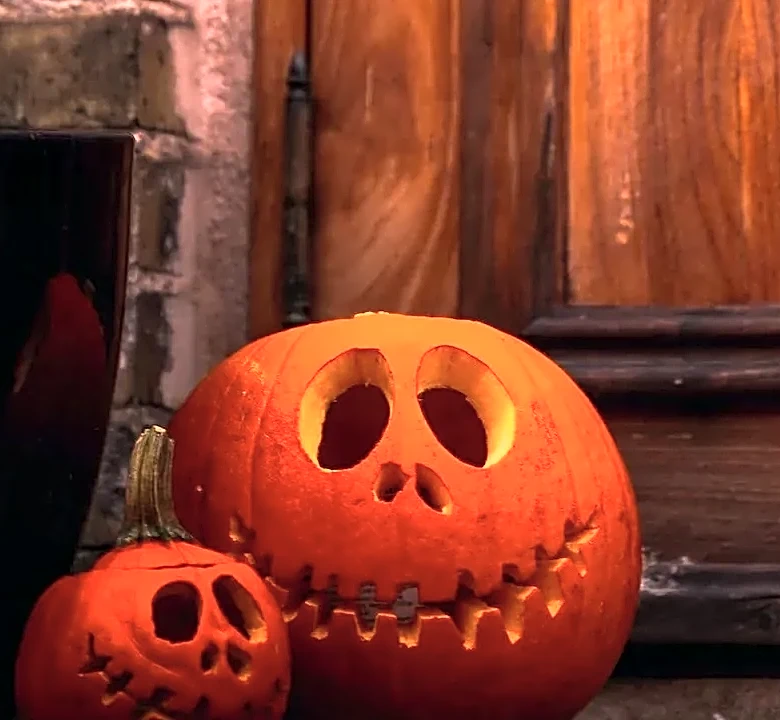
Let's start with the obvious: Halloween. The holiday creates a powerful cultural permission structure for audiences to actively seek out scares. For an entire month, the air is thick with spooky decorations, costume planning, and a general celebration
of the macabre. Film distributors capitalize on this built-in marketing season, knowing that a significant portion of the audience has an increased appetite for terror. The holiday didn't just inspire scary movies; one film in particular cemented the entire strategy. John Carpenter's 1978 classic, Halloween, grossed over $47 million on a shoestring budget, proving that tying a horror film directly to the holiday could be a massive commercial success. This turned the holiday itself into an unparalleled marketing tool, a lesson the industry has never forgotten.
The Art of Counter-Programming
Fall is a crowded season at the movies, but not with horror. October, November, and December are often dominated by two other categories: family-friendly holiday films and serious, star-studded dramas angling for Oscar nominations. This is where horror finds its sweet spot. By offering something completely different, studios can capture a valuable demographic that isn't interested in feel-good fare or dense awards contenders. Horror becomes the ultimate counter-programming. It provides a jolt of adrenaline and a communal, visceral experience that stands in stark contrast to the season's other offerings. While other studios are chasing prestige, horror distributors are chasing a reliable, dedicated fanbase that shows up consistently for scares.
Psychology and Seasonal Priming
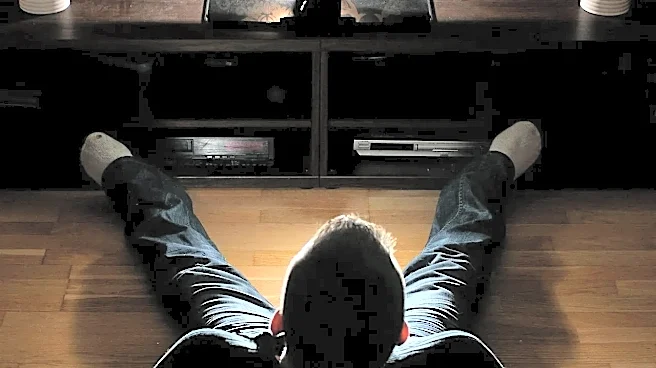
There's a psychological component at play, too. As the days grow shorter and the weather turns colder, our environment begins to mirror the unsettling atmosphere of many horror films. The crisp air and dying leaves create a natural backdrop for tales of dread and decay. Some viewers even make a ritual of matching their movie-watching to the season, saving films like The Shining for a snowstorm or watching something set on a country road when the autumn leaves are at their peak. This seasonal priming makes audiences more receptive to spooky stories. Furthermore, watching something frightening from the safety of a warm theater or living room provides a cathartic release, allowing us to confront fear in a controlled environment. Rewatching familiar horror films, a common October tradition for many, also provides a sense of comfort and control, like visiting old, terrifying friends.
A Self-Fulfilling Prophecy
After decades of this trend, the October horror movie has become a self-fulfilling prophecy. The tradition, solidified by franchises like Halloween, Saw, and Paranormal Activity, has trained audiences to expect and seek out major horror releases in the fall. This makes launching a new horror film in October a much safer bet for studios. They are not just releasing a movie; they are participating in a beloved cultural ritual. While data shows that horror movies can be successful year-round—with some analysis suggesting summer months can be even more profitable due to less competition in the genre—October remains the most crowded and culturally significant window. The sheer volume of horror releases in October reinforces its status as the official "spooky season," ensuring the cycle continues for years to come.