


Beyond the Default
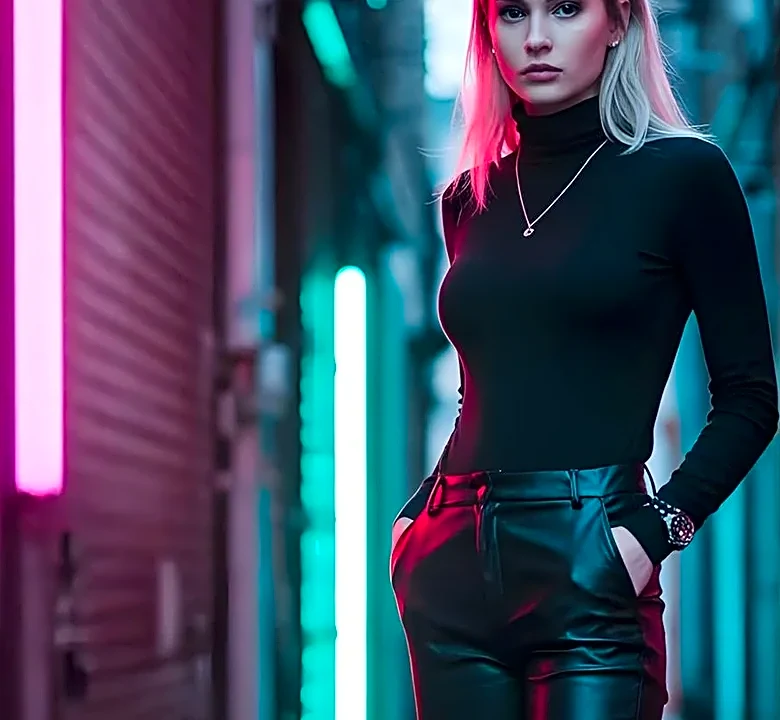
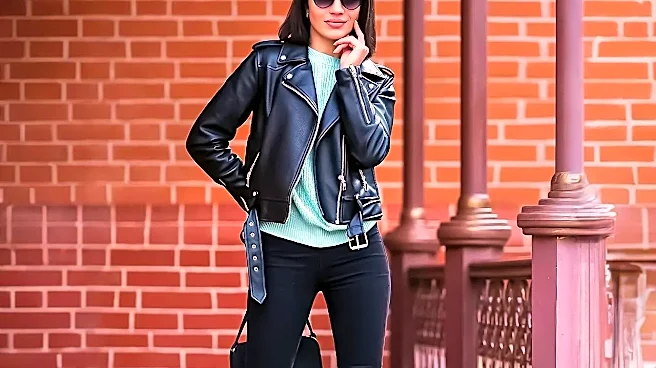
There's a reason black dominates our closets. It requires little thought, matches nearly everything, and carries an air of instant sophistication. But its greatest strength—its simplicity—can also be a weakness. A default to black can sometimes read as a lack of intention,
a safe choice that, while never wrong, isn't always the most interesting. It can feel severe, flattening the texture of beautiful fabrics and looking harsh against some skin tones, especially in winter. Stepping away from black isn’t about abandoning a classic; it’s about making a more considered choice. It’s about discovering colors that offer more nuance, warmth, and personality without sacrificing an ounce of chic.
Brown: The Understated Powerhouse
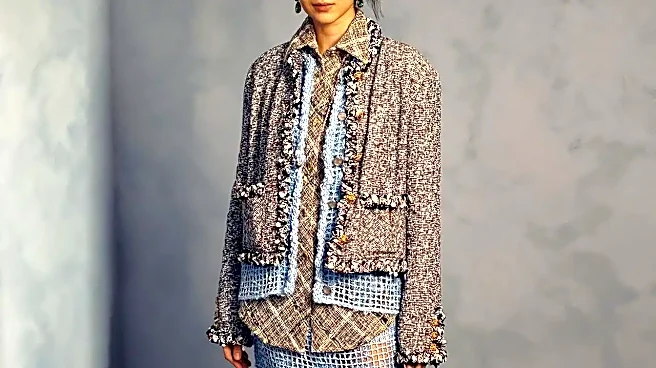
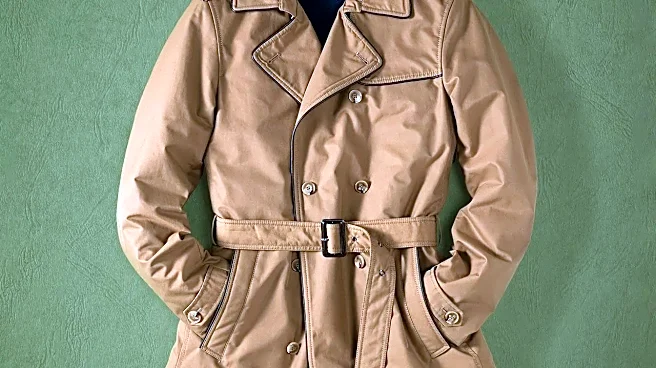
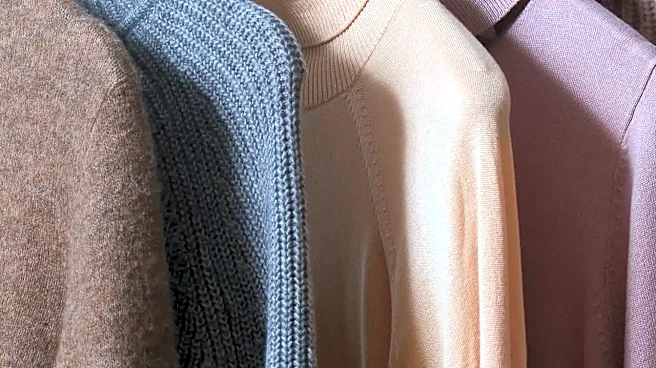
For years, brown has been gaining traction among fashion insiders, and for good reason. Trend forecasters have even predicted it would become 'the new black' for its ability to do everything black does, but with more warmth and softness. Unlike black, which absorbs light, shades of brown—from rich chocolate and mahogany to warm camel and tan—reflect it, bringing out the texture in leather, suede, and wool. This makes a brown outfit feel luxurious and dimensional. A rich brown pairs beautifully with earthy tones like olive, but also provides a sophisticated anchor for softer colors like cream and even pastels like pale blue. Swapping your black trousers for a tailored brown pair or your go-to black leather jacket for one in cognac is an easy first step. The effect is immediate: an outfit that feels just as classic, but warmer, richer, and more deliberate.
Gray: The Architect's Choice
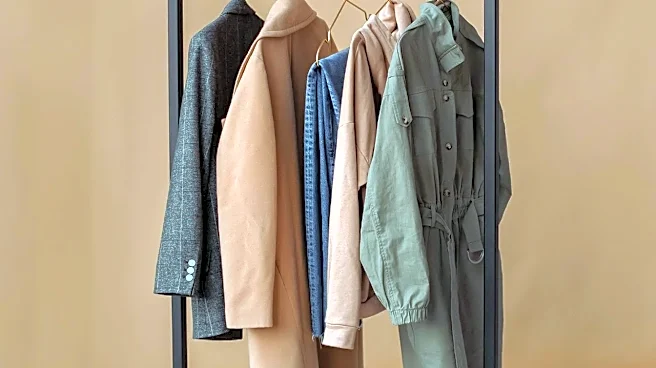
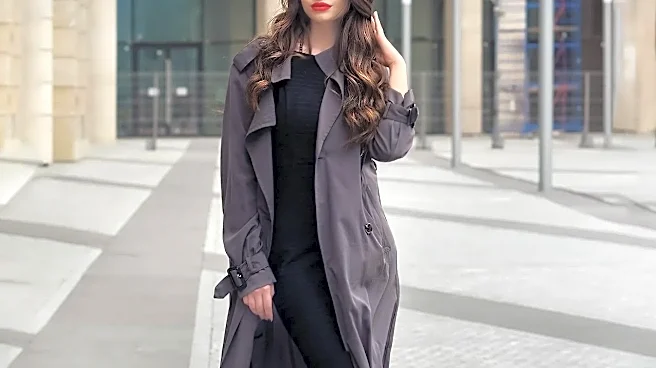
If brown is warm and rich, gray is its cool, intellectual counterpart. From deep charcoal to soft heather, gray has re-emerged as one of the most sophisticated colors in a modern wardrobe. It strikes a perfect balance, feeling less severe than black but more structured than beige. The secret to making gray look chic instead of corporate lies in two things: texture and tone. Mixing different shades of gray—a charcoal blazer with lighter slate trousers, for example—creates a layered, tonal look that feels incredibly modern. Furthermore, gray is an excellent canvas for texture; a chunky wool knit, a sleek silk top, or a suede accessory in gray adds depth and dimension. It also pairs beautifully with crisp white for a timeless, clean look or can serve as a neutral base for bolder accent colors like burgundy or navy.
Olive: The Unexpected Neutral
Often overlooked, olive green is perhaps the most versatile of the three. It functions as a neutral but brings a subtle touch of color and personality that others lack. Associated with utilitarian field jackets and fall weather, its applications are far broader. Olive is an earthy, grounded color that pairs exceptionally well with other neutrals, looking sharp with black, classic with navy, and rich with dark brown. One of its most effective pairings is with cream or white, which makes the olive pop and keeps the overall look feeling fresh and bright, even in colder months. Because it has both warm and cool properties, it's surprisingly flexible and works across seasons. Treating olive like you would khaki or tan—as a foundational piece for trousers, a jacket, or a knit—opens up a world of sophisticated and unexpected outfit combinations.