




The Problem We All Recognize
Let’s be honest: you can probably picture the climax of a dozen different superhero movies without trying too hard. There’s a cataclysmic threat, a major metropolitan area gets re-zoned by explosions, and our hero must punch their way to victory against
a digitally rendered antagonist. This is “third-act sprawl”—a narrative shortcut where emotional stakes are replaced with sheer scale. We saw it in *Man of Steel*, we saw it in *Black Adam*, and we’ve seen countless variations across the Marvel and DC multiverses. It’s loud, expensive, and, increasingly, boring. The problem isn’t just the repetition; it’s that these finales often feel disconnected from the character journey. The first two acts might build a compelling personal story, only for the climax to devolve into a generic, weightless light show. The hero’s unique emotional struggle gets lost in the rubble. It’s a formula that has become a weakness, leaving audiences exhausted rather than exhilarated.
A Different Kind of Kryptonian
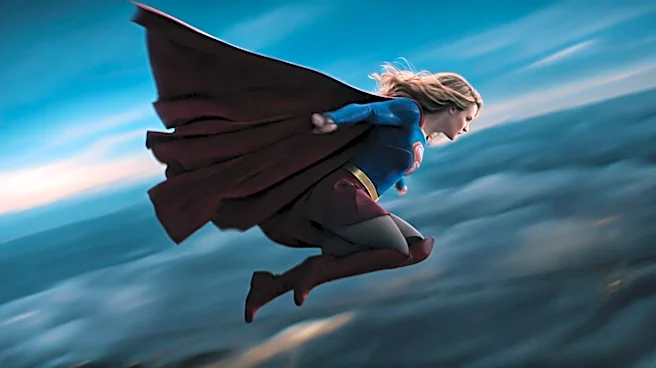
The upcoming *Supergirl: Woman of Tomorrow* film, part of James Gunn’s new DC Universe, offers a chance to break this cycle. And it all starts with the character. This isn’t the bubbly, optimistic Kara Zor-El many associate with the name. Based on the celebrated comic series by Tom King and Bilquis Evely, this Supergirl is different. She was raised not on a friendly farm, but on a chunk of Krypton rock, witnessing death and destruction for years before she ever made it to Earth. She’s seen the worst the universe has to offer. As Gunn himself described her, this is a “much more jaded” character. She’s not here to be a symbol of hope in the same way as her cousin, Superman. This version of Supergirl is weary, angry, and on a mission. This psychological profile is the perfect engine for a story that isn’t about saving the world, but about saving, or perhaps avenging, a piece of herself.
The Source Material Is the Solution
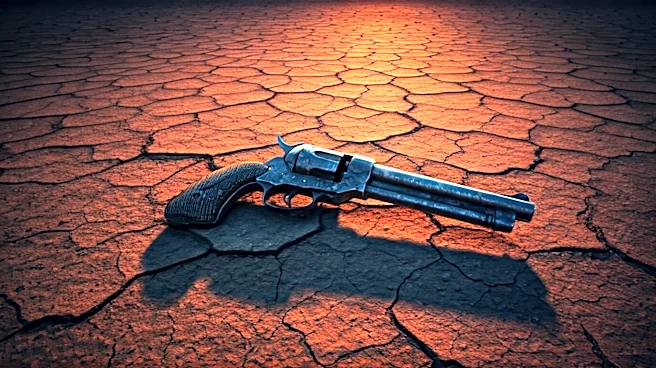
The *Woman of Tomorrow* comic is not a traditional superhero epic. It’s a sci-fi Western. The plot is a classic revenge quest that plays out like *True Grit* in space. A young alien girl, Ruthye, hires a down-and-out, hard-drinking Supergirl to help her hunt down the man who murdered her father. What follows is not a story of city-saving heroics, but a journey across bizarre planets, populated with strange characters and moral ambiguity. This is a road movie, plain and simple. The structure is episodic by nature. Each stop on the journey presents a new challenge, reveals a new facet of Kara’s character, and deepens her bond with Ruthye. The narrative momentum comes from the travel itself—from moving forward toward a singular, deeply personal goal. It’s a story about the path, not just the destination.
A Journey, Not a Final Boss
Herein lies the elegant solution to third-act sprawl. In a road movie, the climax is the end of the road. It’s the final confrontation that the entire journey has been building toward. It doesn’t need a sky beam or a collapsing city because the stakes have been meticulously established through every mile traveled and every obstacle overcome. The finale isn’t about overpowering a villain; it’s about the emotional and thematic culmination of the character’s arc. By adopting this structure, a *Supergirl* film can deliver a climax that is intimate, intense, and emotionally resonant. The final fight isn’t just a fight—it’s the physical manifestation of Kara’s rage, her grief, and her reluctant flicker of hope. The scale is personal, not planetary. The weight comes from character, not collateral damage. It allows the movie to end with a powerful emotional statement instead of just another round of CGI noise.