



A Pause Button on Talent
In the fluid, chaotic world of open-play soccer, talent, speed, and chemistry reign supreme. A team with superior athletes and a bigger payroll can impose its will, running defenders ragged and exploiting gaps that only appear at high speed. But a set
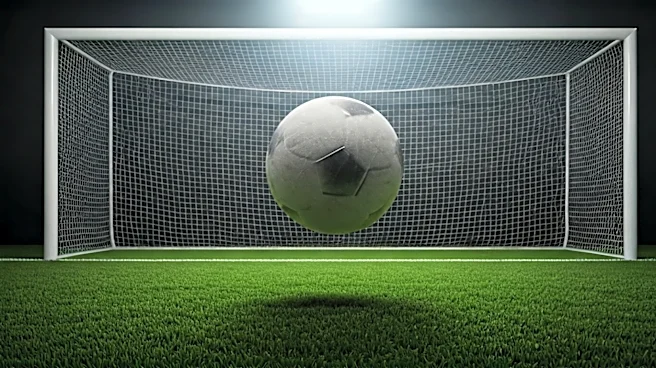
piece—a corner kick, a free kick—is a pause button. It stops the game, neutralizes momentum, and turns a 90-minute marathon of skill into a single, structured moment. In these situations, the playing field is literally leveled. It’s no longer about who can string together 20 passes; it’s about who can win a single header in a crowded penalty box. This is where organization and planning can triumph over raw, open-play ability. For a few seconds, the game isn't about which team is better, but which team has better prepared for this specific, repeatable scenario.
The Rise of the Set-Piece Scientist
For years, set pieces were often an afterthought—a hopeful ball lumped into the box. Not anymore. We are in the era of the set-piece specialist, coaches who are part tactician, part choreographer. These specialists use data analytics and video analysis to dissect an opponent’s defensive setup, identifying weaknesses in their zonal marking or finding the one defender who tends to lose focus. On the training ground, attacking routines are drilled with military precision. Players practice intricate movements: blockers create space for a target player, decoy runners drag defenders away from key areas, and deliveries are aimed at specific zones with pinpoint accuracy. It's no longer chaos; it's a calculated play designed to create a high-percentage chance from a dead ball. This tactical evolution has turned what used to be a coin flip into a significant part of a team's offensive strategy, with some clubs attributing over a third of their goals to these meticulously planned moments.
The Underdog’s Asymmetric Advantage
For a team with fewer resources, competing with giants in open play is a daunting task. It’s hard to match the technical quality, depth, and conditioning of a top club over a full season or a 90-minute match. But set pieces offer an asymmetric advantage. An organized but less-talented team can dedicate significant training time to perfecting a handful of set-piece routines, gaining a disproportionate return on their investment. They don’t need to control possession to be dangerous; they just need to win a free kick in the final third. This strategy is particularly effective in knockout tournaments, where games are often cautious and low-scoring. A single goal from a corner can be enough to secure a historic upset. For underdog nations and smaller clubs, set pieces aren't just a part of the game; they are a central pillar of their entire competitive strategy, offering the most realistic path to goal against a superior opponent.
The Mental Game of the Dead Ball
The fear favorites feel is not just tactical; it’s psychological. For a dominant team, conceding from a set piece feels like a self-inflicted wound—an avoidable mistake that breaks the flow of the game and invalidates their control. It can breed frustration and anxiety, causing them to play more cautiously and second-guess their defensive assignments. Conversely, for the underdog, a successful set piece is a massive injection of belief. It proves their game plan is working and shows they can hurt the giant. This shift in momentum is powerful. The favorite's slick passing suddenly seems less intimidating, and the underdog's defensive resilience is amplified. Every corner kick they concede becomes a high-pressure event, a test of their concentration against a team that has nothing to lose and a well-rehearsed plan to execute.