





4. Yao and Ilyukhina: The Stakes
In screenwriting, you have to establish the stakes early and often. What happens if the hero fails? The original crew of the Hail Mary, Commander Yáo and Engineer Ilyukhina, serve this brutal but essential function. When Ryland Grace wakes from his coma,
he doesn’t just find himself alone—he finds himself surrounded by death. Their perfectly preserved bodies are a constant, silent reminder of the mission’s lethality. They aren't characters you get to know, but plot devices that scream, “This is not a drill.” Every decision Grace makes is weighed against the fate he sees right in front of him. In a screenplay, their deaths would be a chilling opening sequence, establishing the ultimate price of failure before the main story even kicks into gear.
3. Eva Stratt: The Catalyst
Every story needs a push, and in Project Hail Mary, that push has a name: Eva Stratt. As the iron-willed leader of the task force, her function is to be the immovable object that sets the irresistible force (the mission) in motion. From a screenplay perspective, she’s part antagonist, part mentor, and all catalyst. Stratt is the embodiment of utilitarian philosophy, willing to sacrifice anything—and anyone—for the survival of humanity. She conscripts Grace, makes morally gray decisions without flinching, and provides the necessary backstory and urgency in the film's first act. While her presence diminishes as the story moves into space, her influence is stamped on every piece of equipment and every psychological burden Grace carries. She’s the reason the story happens.
2. Ryland Grace: The Audience Vessel
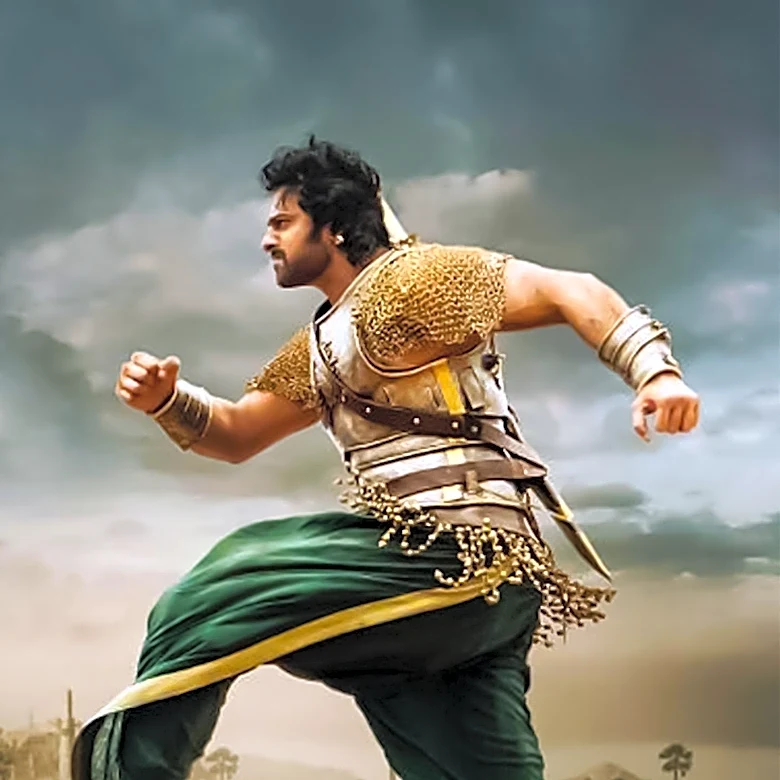
A protagonist is more than just the main character; they are the lens through which the audience experiences the world. Ryland Grace is a perfectly crafted vessel for the viewer. His amnesia, a classic but effective trope, serves a critical screenplay function: it allows the story to unfold naturally for both him and the audience. We learn about the mission, the ship, and the stakes as he does. His background as a middle school science teacher makes him the ideal explainer, breaking down complex astrophysics into digestible chunks without it feeling like a lecture. But his most important function is his reluctance. He wasn't a gung-ho hero; he was a terrified man forced into an impossible situation. This makes his eventual growth and heroism feel earned, providing the central character arc that every great film needs.
1. Rocky: The Narrative Engine
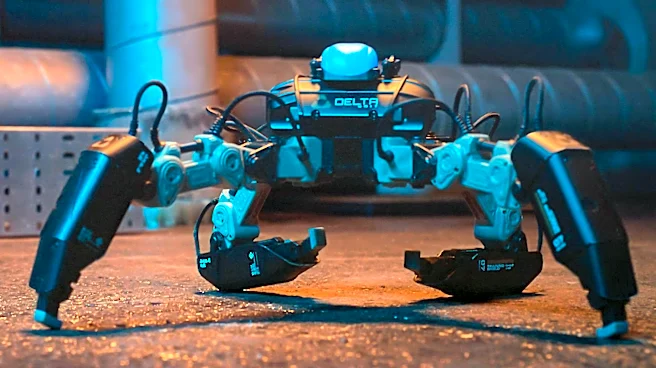
If Grace is the vessel, Rocky is the engine that powers the entire story from the midpoint onward. He’s not just a sidekick; he is the most functionally dense character in the book. First, he is the key to the plot. Without his engineering prowess and different biological perspective, the mission fails. Second, he is the heart of the story. The friendship between him and Grace provides the emotional core, transforming a sterile survival tale into a moving story of connection. Third, he’s a source of wonder and comic relief, breaking the tension and expanding the story's universe in a way that feels joyful rather than clinical. A single character who solves plot problems, carries the emotional weight, and provides levity is a screenwriter's dream. Rocky isn't just important; he’s the narrative multitool that makes the entire second and third acts work.