


It All Starts with the Fabric
The single biggest differentiator between price points is the quality of the material. Mid-range shirts often use standard cotton, which is perfectly serviceable for everyday wear. But premium brands invest in superior raw materials. You'll see terms
like Egyptian, Pima, or Sea Island cotton, which refer to longer cotton fibers. These create a yarn that is stronger, softer, and more lustrous. The result is a shirt that feels better against your skin, drapes more elegantly, and resists pilling over time. Premium fabrics often have a higher thread count and a two-ply construction—meaning two yarns are twisted together—which adds durability and wrinkle resistance. A cheaper shirt may look fine on the rack, but the feel and longevity of premium cotton is a tangible upgrade.
The Art of Construction
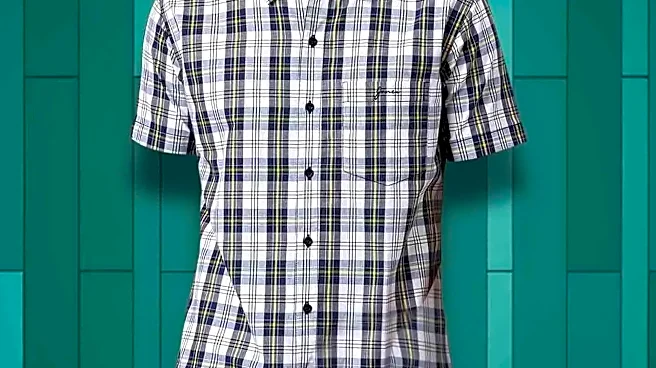
How a shirt is put together is a subtle but crucial indicator of quality. On a mid-range shirt, you’ll likely find standard overlocked seams and double-needle stitching. It’s fast and cost-effective. Premium shirts, however, often feature single-needle stitching and flat-felled seams. This technique, which requires more skill and time, encloses the raw edge of the fabric within the seam, resulting in a cleaner look on both the inside and outside of the shirt and a more durable construction that is less likely to pucker. Another hallmark is pattern matching. On a high-end striped or checked shirt, the pattern will align perfectly across the placket, at the shoulder seams, and on the pocket. This requires more fabric and more precise cutting, adding to the cost, but it creates a seamless, professional appearance.
The Devil in the Details
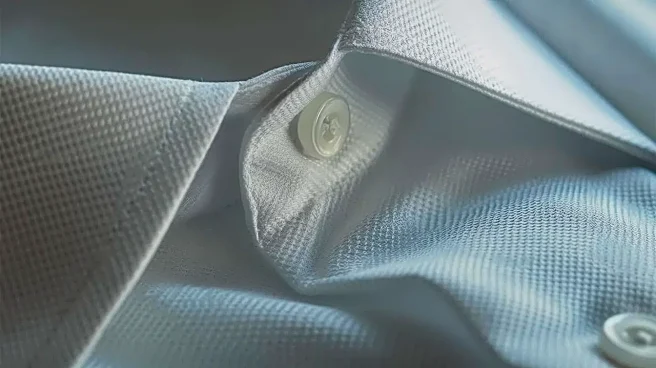
Small details often shout the loudest about a shirt's quality. Take the buttons. Mid-range shirts almost always use plastic or resin. They get the job done, but they can crack and often look generic. Premium shirts typically feature mother-of-pearl buttons, which are cut from shells. They have an iridescent luster, are more durable, and feel cool to the touch. Similarly, the collar construction differs. Cheaper shirts often have fused collars, where the interlining is glued to the fabric, which can lead to bubbling over time. Higher-end shirts may use a non-fused or floating interlining, which allows the collar to roll more naturally and maintain its shape better. Even the buttonholes on a premium shirt are often more densely stitched and cleaner.
Beyond Small, Medium, and Large
Fit is where the gap between mid-range and premium can become a chasm. Mid-range brands typically use a standardized fit model designed to accommodate the widest range of body types, which often means it fits no one perfectly. You get Small, Medium, Large, and maybe a "slim fit" option. Premium brands, conversely, often offer more granular sizing, such as specific neck and sleeve measurements. This allows for a much more precise and flattering fit right off the rack. The armholes might be higher for better movement, and the body might be tailored to reduce excess fabric around the waist. While a good tailor can improve a mid-range shirt, premium shirts are designed from the start with a more sophisticated and flattering silhouette in mind.
The Verdict: Cost-Per-Wear
So, is the premium shirt worth the splurge? It depends on your perspective. If you view clothing through the lens of cost-per-wear, a premium shirt can be a savvy investment. Its superior materials and construction mean it will likely last years longer than its cheaper counterpart, looking better with each wash. A $250 shirt worn 100 times costs $2.50 per wear; a $75 shirt that looks tired after 25 wears costs $3.00 per wear. For a foundational wardrobe piece you'll reach for constantly, investing in quality pays off. For a trendier pattern you might only wear for a season, a mid-range option is the smarter financial choice. Ultimately, the price tag on a premium shirt buys you tangible improvements in feel, fit, and longevity.