






The Art of Anxiety
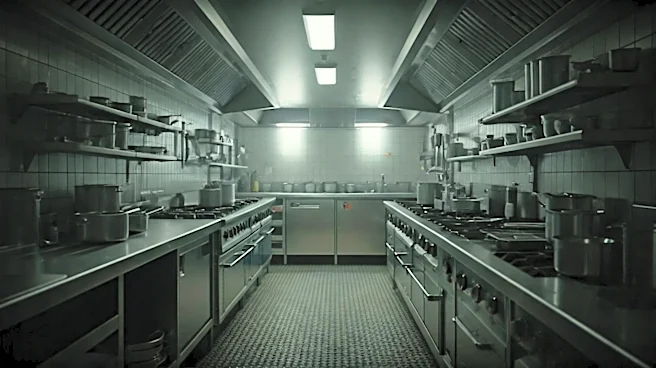
From its opening moments, 'The Bear' established a visceral language of sound. The relentless ticket printer, the frantic dialogue, and the sheer volume of a kitchen under pressure weren't just background noise; they were the main characters' anxiety
made audible. This external chaos was a perfect mirror for the internal turmoil of Carmen “Carmy” Berzatto, a fine-dining chef grappling with grief, trauma, and the immense pressure of saving his family's sandwich shop. The show’s sound design was so effective because it never let the audience rest. We felt the sensory overload along with the characters, making their stress our own. This high-wire act of controlled chaos is what made the series a cultural phenomenon, defining its aesthetic and emotional core.
A Quieter Kind of Panic
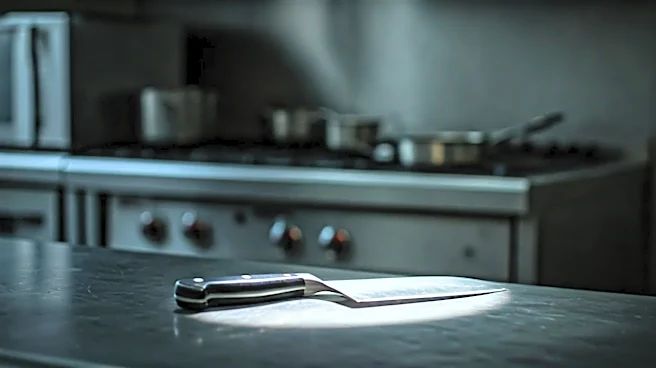
Recent seasons, however, have started to deliberately turn down the volume. The show has become more meditative and introspective, trading some of the overt kitchen panic for a heavier, quieter sense of dread. Reviewers noted that Season 3, for instance, felt more like the tense calm in the eye of a storm. The conflicts became more internal. We saw Carmy's perfectionism manifest not just in frantic service but in his isolated, obsessive focus. We watched Sydney quietly wrestle with the pressures of partnership and her own ambition, the stress playing out on her face rather than in a shouting match. Even Richie, once the loudest agent of chaos, learned the power of quiet discipline in the celebrated "Forks" episode. These moments proved the show could generate tension without yelling.
Why Silence Is the Greater Challenge
Recreating kitchen pandemonium is a technical challenge, but making silence scream is an artistic one. Overt chaos provides immediate, undeniable sensory input. Silence, on the other hand, asks more of the audience and the creators. It relies on masterful acting, precise directing, and writing that can load a quiet moment with years of unspoken history, regret, and tension. A silent pause can contain a character's entire internal struggle, but only if the groundwork has been laid. For a hypothetical Season 5, the test will be to move the drama from the environment to the soul. It's about trusting that the audience is invested enough in Carmy’s battle with his family trauma or Sydney's creative anxieties to feel the weight of those conflicts without a ticket machine rattling in the background.
The Sound of a New Beginning
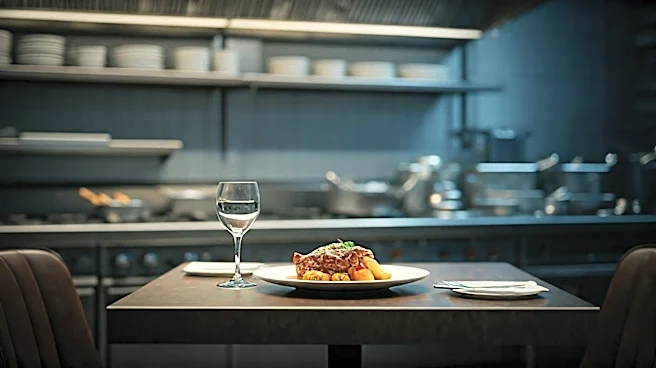
So, what does a quieter Season 5 look like? It could be a season defined by the tense quiet of a kitchen that is finally, precariously successful. The pressure is no longer about survival, but about maintaining an impossible standard. The drama could come from the silent space between Carmy and Sugar as they navigate their shared trauma, or the unspoken professional rivalry and partnership between Carmy and Sydney. It might explore Richie's struggle to maintain his newfound calm when faced with subtle, personal provocations rather than overt workplace disasters. As the show's sound supervisor has noted, you can't just keep getting louder. The natural evolution is to explore the tension and release, and after so much noise, a profound release can only come from mastering the quiet.