









The Gold Standard: Engineered Knits
Engineered knit uppers, like Nike’s Flyknit or Adidas’s Primeknit, are the peak of modern sneaker technology for a reason. These materials are designed to be a single, seamless piece, creating a sock-like fit that adapts to your foot as you move and as it inevitably
swells during a long day of walking. Their biggest advantage is the combination of flexibility and breathability. The knitting process allows for zones of open weave where airflow is critical, helping to keep your feet cool. This makes them fantastic for hot weather. The trade-off, however, is in structure and protection. A knit upper is essentially a high-tech sock; it offers less lateral support than more structured shoes and provides minimal defense against spills or being stepped on in a dense crowd. While durable for everyday wear, they are not indestructible and can be more expensive.
The Airy Champion: Performance Mesh
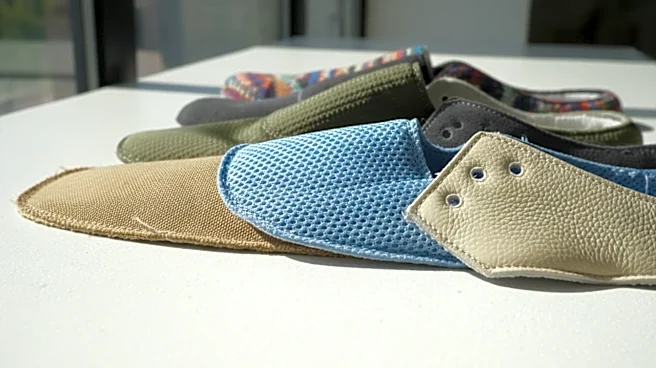
When your top priority is maximum airflow, performance mesh is the undisputed champion. Unlike the sock-like feel of knit, mesh uppers are often paired with synthetic or TPU overlays that provide structure around the toe, heel, and lacing system. This construction makes them both highly breathable and supportive. The open-weave nature of mesh allows air to circulate freely, which is a lifesaver in extreme heat. It's generally a lighter-weight and more cost-effective option than premium knit materials, making it the workhorse of the running and walking shoe world. The main downside is that the very openness that makes mesh so breathable also means it offers little resistance to water or dust. If a sudden summer shower hits or you’re navigating a dusty field, your feet will know it immediately.
The Classic Contender: Canvas
Canvas sneakers are a timeless summer style icon, and for good reason. The cotton-based fabric is lightweight and inherently breathable, making it a comfortable choice for casual, warm-weather outings. However, when it comes to the specific demands of long walks in heat and crowds, canvas starts to show its weaknesses. While it breathes better than leather, it doesn't ventilate as effectively as modern mesh or knit. Its biggest flaw is its tendency to absorb and hold moisture—whether from sweat or a spilled drink—which can lead to discomfort and blisters over a long day. Furthermore, canvas offers very little in terms of foot support or cushioning, which you’ll miss after several hours on your feet.
The Materials to Reconsider: Leather and Suede
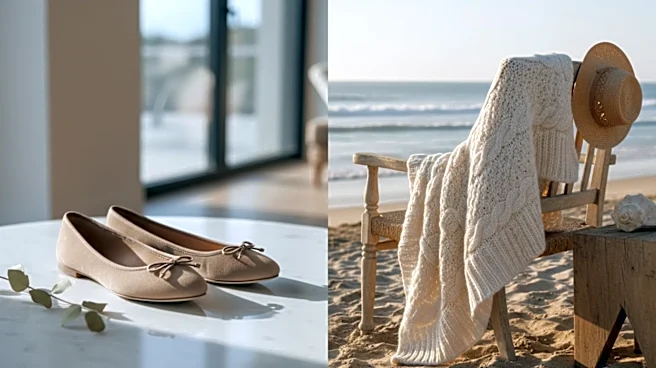
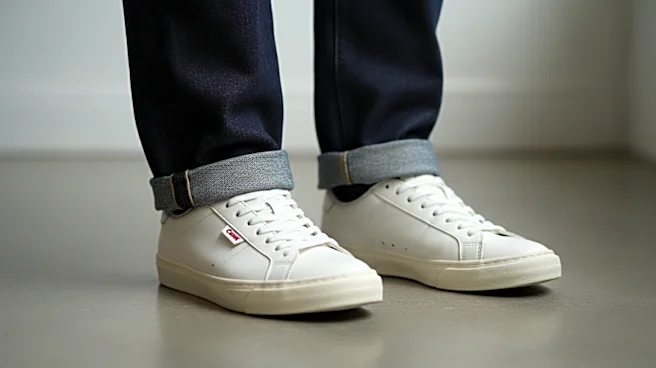
For a hot, crowded, active day, traditional smooth leather sneakers are generally not the right tool for the job. Leather's biggest flaw in this context is its lack of breathability. It traps heat and moisture, which is the last thing you want when you're on your feet all day in the summer. While it offers excellent durability and protection from being stepped on, those benefits come at the cost of a hot, uncomfortable experience. Suede is a more nuanced case. Contrary to popular belief, its porous texture makes it more breathable than smooth leather. However, it's still no match for the airflow of mesh or knit, and it’s notoriously delicate when it comes to moisture and stains. A spilled drink or an unexpected downpour in a festival setting could easily ruin a pair. For these reasons, both materials are best saved for cooler, drier days.