








It’s FIFA’s Financial Bedrock
Let’s get straight to the point: money. The FIFA World Cup is one of the most-watched television events on the planet, and broadcasters are willing to pay astronomical sums for the exclusive right to show it. For the 2019-2022 cycle, which culminated
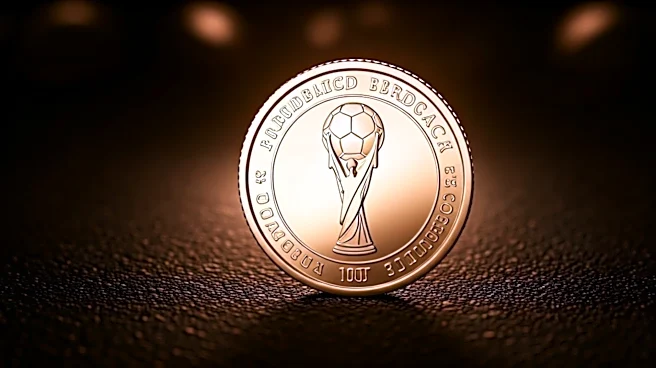
in the Qatar World Cup, FIFA pulled in a staggering $7.5 billion in revenue. The biggest slice of that pie, over 50%, came from selling television broadcasting rights. Think of it this way: while ticket sales, marketing, and merchandise are important, they are support staff. The broadcast deal is the CEO. This firehose of cash is what gives FIFA the financial stability to plan a tournament of this magnitude years, even a decade, in advance. Without it, the entire enterprise would be a fraction of its size and spectacle.
Fueling the Global Game
So where does all that money go? While FIFA itself retains a significant portion for operations and reserves, a huge chunk is redistributed back to its 211 member associations around the world. This is the crucial part that often gets missed. That broadcast deal you watch on FOX or Telemundo in the U.S. indirectly helps fund a youth soccer program in Thailand, referee training in Jamaica, or the construction of a training facility in Nigeria. For many smaller nations, this FIFA Forward funding is the primary source of income for their entire footballing infrastructure. It pays for coaches, supports women’s leagues, and gives national teams the resources to even attempt to qualify for the next World Cup. In essence, the massive commercial appeal of the tournament’s final stage is what finances the sport’s grassroots development across the entire globe.
The U.S. Market is the Golden Goose
For decades, the U.S. was seen as a sleeping giant in the soccer world. Now, it’s wide awake and has its wallet out. American broadcasters are engaged in a fierce battle for eyeballs, and live sports are the ultimate prize in the streaming era. FOX and Telemundo reportedly paid a combined figure north of $1 billion for the U.S. rights to the 2018 and 2022 World Cups. They have since extended that deal through 2026. Why so much? The U.S. market offers a massive, diverse, and increasingly affluent audience. With the tournament coming to North America in 2026, the value of that deal will explode. Favorable time zones, a built-in home-team narrative, and a generation of fans raised on the sport mean record-breaking viewership is all but guaranteed. For FIFA, a successful and highly-rated American broadcast doesn't just bring in cash; it solidifies soccer’s place in the most lucrative media market in the world.
Shaping the Fan Experience Itself
The broadcast deal also directly shapes how you, the fan, experience the tournament. The reason you get 24/7 coverage, slick pre-game shows from waterfront studios, high-definition slow-motion replays, and an army of pundits is because the broadcaster has invested a fortune and needs to recoup it through advertising. A massive rights fee incentivizes the network to promote the tournament relentlessly, turning it from a niche sporting event into a month-long cultural phenomenon. This creates a virtuous cycle: the network hypes the event to justify its cost, which draws in more casual viewers, which in turn allows the network to charge more for ads, making the next rights deal even more valuable. This investment elevates the production from a simple sports broadcast to a major television event on par with the Olympics or the Super Bowl.