




The Thom Browne Uniform
Before you can understand the skirt, you have to understand the man behind it. Thom Browne has built a global fashion empire on a deceptively simple idea: the uniform. Since launching his brand in 2001, his aesthetic has been rigorously consistent. It’s
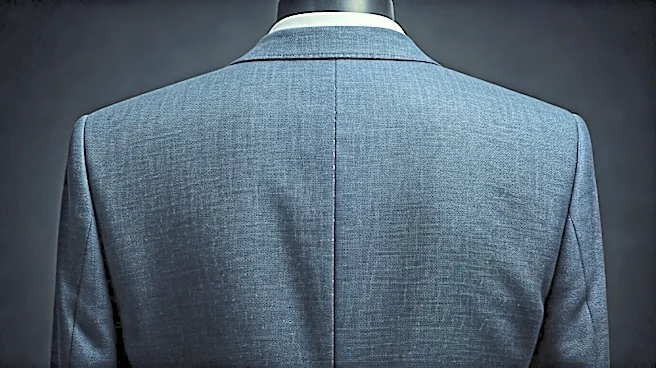
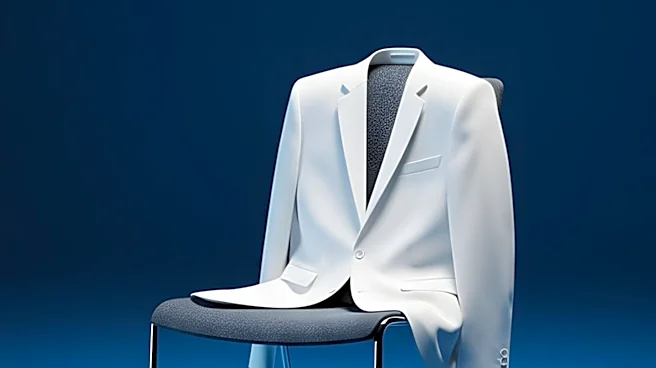
a world of gray, navy, and white; of shrunken suits, cropped trousers, and meticulously tailored shirts. To some, the idea of a uniform feels restrictive. But for Browne, it’s a canvas for creativity. By starting with a consistent, almost militant base, he frees himself to play with proportion, texture, and context in truly radical ways. This philosophy turns classic American prep on its head, making symbols of conformity—like the gray flannel suit—into statements of individuality.
An Intellectual Approach to Sport
Sportswear is a recurring theme in Browne's work, but not in the way you might think. He’s less interested in high-performance gear and more in the classic, almost nostalgic, idea of athletic apparel from the early-to-mid 20th century. His signature four-bar stripe, for instance, was inspired by varsity sweaters. Browne has designed collections around tennis, American football, and swimming, always filtering them through his unique lens. For a 2017 tennis tournament he hosted in London, players and spectators were outfitted in a capsule collection featuring shrunken pique blazers and pleated calf-length skirts, demonstrating his long-held fascination with the sport's sartorial history. This isn't about creating clothes to sweat in; it's about dissecting the visual language of sport and reassembling it into high fashion.
Deconstructing the Pleated Skirt
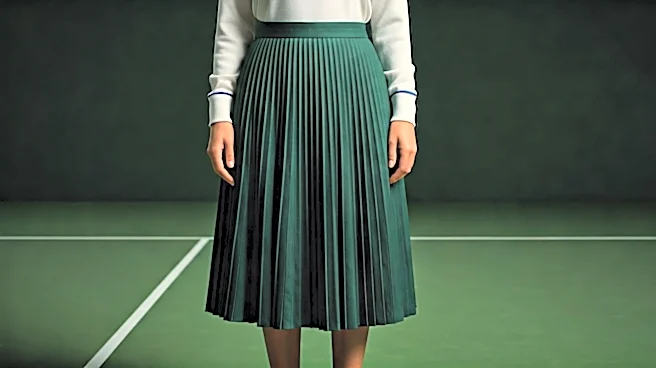
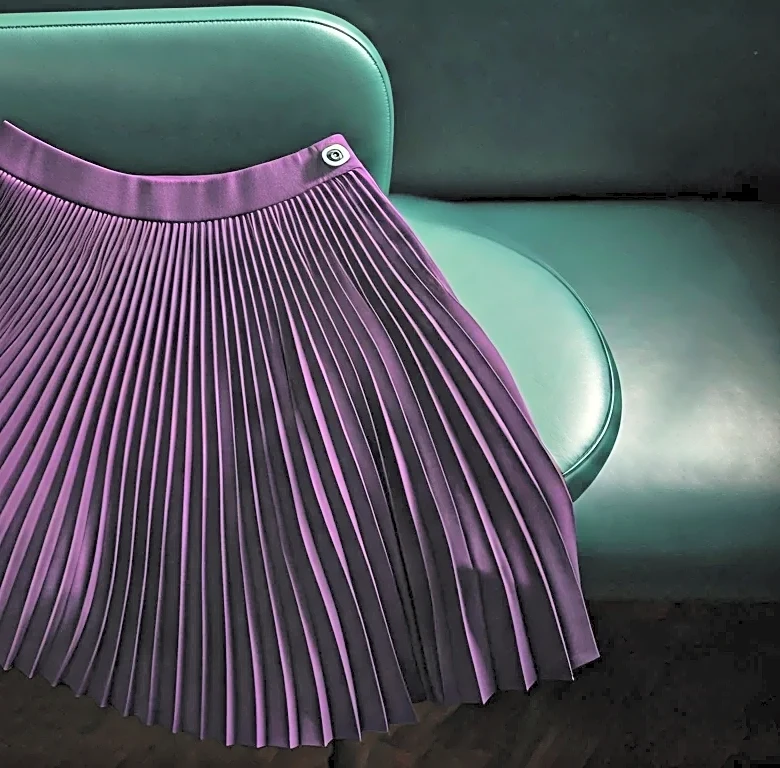
The pleated skirt has a rich and surprisingly rebellious history in tennis. What began as floor-length, restrictive garments in the late 1800s gave way to shorter, more practical versions in the 1920s and 30s, thanks to trailblazers like Suzanne Lenglen. The pleated tennis skirt of the 1950s became a symbol of feminine grace and athleticism. Browne zeroes in on this history, but subverts it. His version is often a midi-length box-pleat style, a cut more associated with school uniforms than Centre Court. He renders it in unexpected fabrics like structured suiting wool or tweed, taking it far from its athletic origins. The pleats aren't just for movement; they are a crisp, architectural element. It’s a skirt that has studied the history of tennis fashion and decided to offer an intellectual commentary on it.
Wimbledon: The Perfect Backdrop
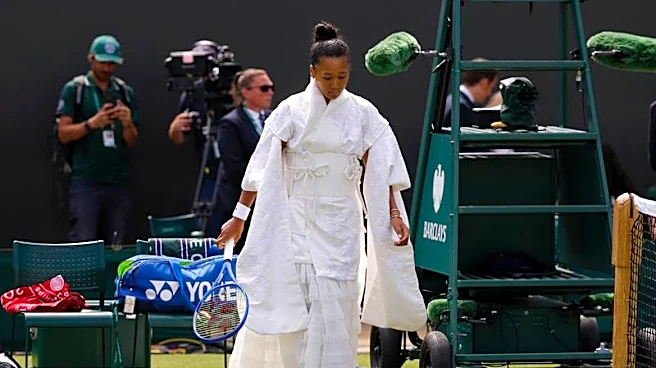
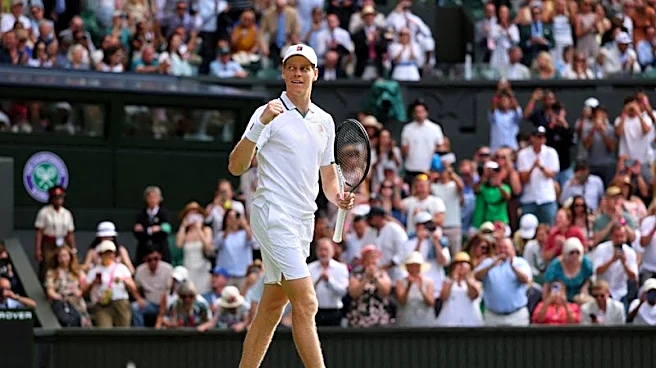
There is no better stage for this kind of subtle fashion statement than Wimbledon. The tournament’s famously strict all-white dress code for players forces attention onto silhouette, texture, and detail. For spectators, the vibe is smart-casual with a preppy, polished edge—no athleisure in sight. It’s a world of crisp linens, midi dresses, and tailored separates. In this environment, a Thom Browne box-pleat skirt stands out precisely because it fits in so perfectly, yet carries so much conceptual weight. It nods to the event's history of pleated skirts while simultaneously challenging it with its severe, uniform-like structure. It respects the code of dressing up for the occasion while winking at the very idea of conformity.