




The Practical Reality of the Day
First, let’s be clear about what a day at Ascot actually entails. From an American perspective, it might look like a brief, glamorous photo-op. The reality is an endurance sport disguised in silk and fascinators. You will be on your feet for the better
part of eight hours, from the champagne breakfast to the last race. You will walk from the car park or train station, stand in queues, navigate crowded lawns, and pace anxiously while your horse rounds the final turn. And most critically, much of this activity will take place on grass. Glorious, green, perfectly manicured grass that is the natural enemy of the stiletto heel.
Why Your Favorite Heels Will Betray You
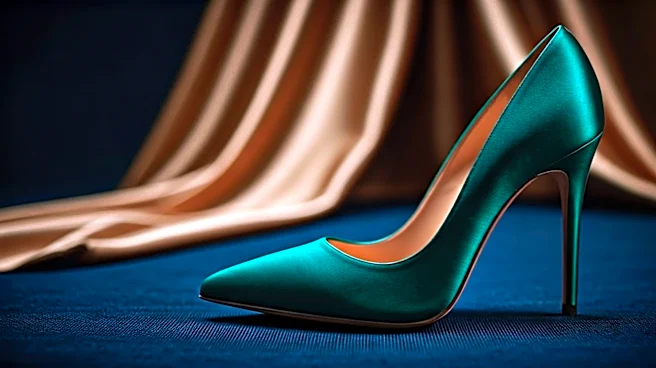
The single biggest mistake a first-timer can make is choosing an outfit based on a pair of beautiful, but treacherous, stiletto heels. While they may look perfect with your dress in front of a mirror, the moment they touch turf, the betrayal begins. With every step, you will aerate the lawn, sinking into the soft ground. Navigating from the Grandstand to the parade ring becomes a clumsy, comical exercise in extraction. By midday, your calves will be screaming, your posture will collapse, and the pained expression on your face will undo all the hard work you put into your makeup. An uncomfortable guest is never an elegant one, and nothing screams discomfort louder than a woman hobbling in agony by the third race.
Building Your Look from the Ground Up
This is why the seasoned Ascot attendee starts with the shoe. Forget the dress for a moment and focus on the foundation. The perfect Ascot shoe is a masterclass in compromise: stylish, but stable. Think elegant block heels, chic espadrille wedges, or even sophisticated pointed-toe flats (depending on your enclosure’s dress code). Once you have secured a pair of shoes that you can genuinely stand and walk in for hours, everything else falls into place. The shoe choice dictates the entire silhouette. A lower block heel might call for a midi-length hemline, while a substantial wedge can support a fuller, more dramatic skirt. Your footwear sets the tone—bohemian, classic, or modern—and provides the practical parameters within which you can find the perfect dress.
How the Right Shoe Unlocks the Rules
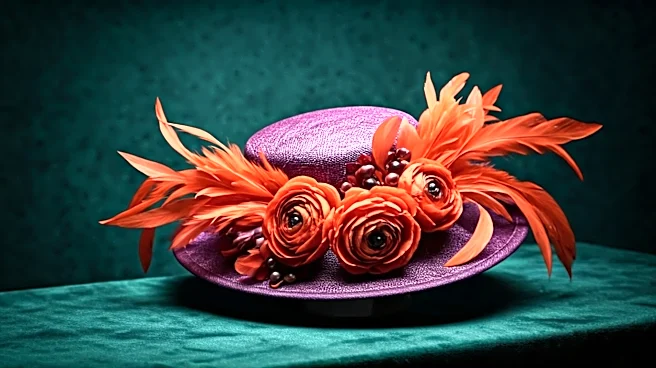
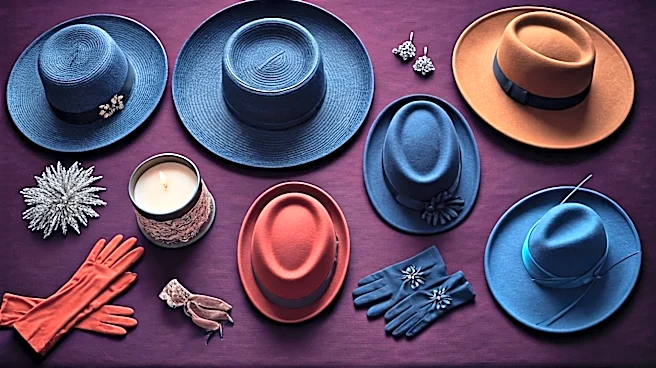
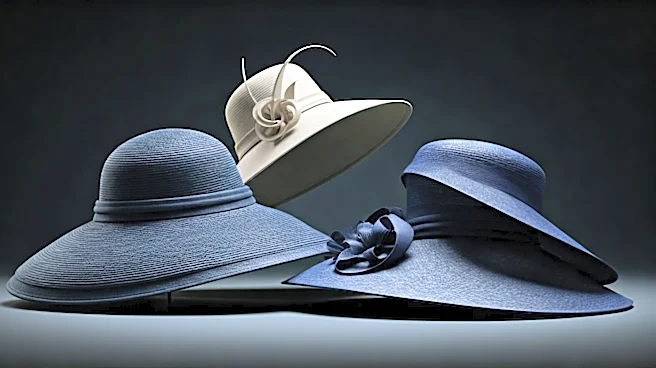
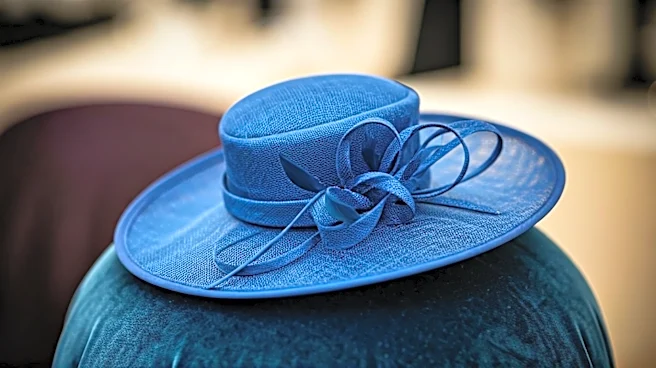
Royal Ascot’s famously strict dress code can be intimidating, but the right shoe makes it easier to navigate. The Royal Enclosure, for instance, has specific rules about hemlines (modest) and strap widths. When your footwear is stable and sensible, you’re less likely to be tempted by a dress that’s too short or fussy. A practical shoe encourages a practical (and therefore, compliant) outfit. Furthermore, with your foundation secure, you can focus your creative energy where it matters most at Ascot: the hat. Instead of worrying about tripping, you’re free to balance a masterpiece of millinery, which is, after all, the main event.
The Ultimate Payoff: Confidence and Chic
The woman who starts with her shoes is the woman who is still smiling at 5 p.m. She’s the one who can confidently stride across the lawn to greet a friend, who can stand comfortably to watch the royal procession, and who isn’t secretly plotting how to sit on the ground without crushing her dress. This comfort translates directly into confidence. When you aren’t distracted by pain, you can fully engage with the spectacle and joy of the day. You carry yourself better, you look more relaxed, and you radiate the kind of effortless elegance that is the true hallmark of style. In the high-stakes world of Ascot, a dress can get you noticed, but it’s the right shoe that lets you enjoy the victory.