



What Is High Porosity Hair, Anyway?
Imagine your hair's outer layer, the cuticle, is like shingles on a roof. On healthy, low-porosity hair, those shingles lie flat and tight, keeping moisture locked inside. High porosity hair, however, has shingles that are raised, open, or even have gaps
between them. This can be due to genetics, but it's often the result of chemical treatments, heat styling, or environmental damage. The result is hair that acts like a sponge with holes—it absorbs water and products incredibly fast, but it can't hold onto that moisture. This leads to a frustrating cycle of dryness, frizz, tangles, and breakage, where hair feels dry again shortly after you've moisturized it.
Why Fleeting Trends Often Fail This Hair Type
The beauty industry thrives on newness—miracle oils, wonder masks, and revolutionary stylers. Many of these products offer a quick fix. A silicone-heavy serum can make hair feel silky for a few hours, but it often just sits on top of the strand, creating buildup without delivering real hydration. Harsh, sulfate-filled shampoos might make hair feel squeaky clean, but they strip the already-vulnerable strands, exacerbating dryness. High porosity hair doesn't need a temporary mask; it needs its fundamental structure supported. Routines that focus on sealing the cuticle and strengthening the strand from within will always outperform trends that merely coat it.
The Unbeatable Logic: Moisture In, Moisture Sealed
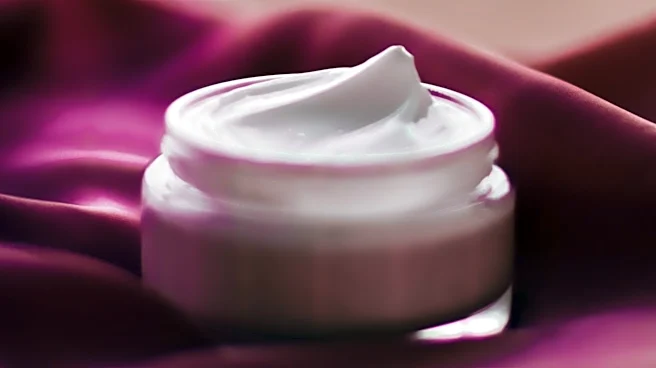
The secret to managing high porosity hair isn't just about adding moisture; it's about trapping it. This is where layering techniques like the LOC method come into play. LOC stands for Liquid, Oil, and Cream—a specific order of application that creates a powerful moisture barrier. The 'Liquid' (usually water or a water-based leave-in conditioner) provides the initial hydration. The 'Oil' (like jojoba, avocado, or olive oil) then seals in that liquid. Finally, the 'Cream' (a thicker, butter-based product) closes the cuticle further and locks everything in. This three-step process directly addresses the core problem of high porosity hair: its inability to retain the moisture it so easily absorbs.
The Essential Role of Protein
If moisture is one side of the coin, strength is the other. The gaps in the cuticle of high porosity hair make the strand weak and prone to breaking. Protein treatments act like a temporary filler, patching up those holes in the hair shaft. This reinforcement strengthens the hair, improves its elasticity, and helps it retain moisture better. Look for products with hydrolyzed proteins like wheat, silk, or keratin, which are small enough to penetrate and repair the hair strand. But balance is key. A routine should incorporate protein, not be dominated by it, as too much can lead to stiffness. Think of it as reinforcing a dam—you patch the holes so it can hold water more effectively.
Building Your Forever Routine
Putting it all together, a successful high porosity routine focuses on fundamentals. Start with gentle, sulfate-free cleansers or co-washes that don't strip the hair. Follow up with a rich, deep conditioner, letting it sit to truly penetrate. On damp hair, apply your products using the LOC (or LCO, a variation where the cream comes before the oil) method. Incorporate a protein treatment regularly, perhaps every few weeks, to maintain strength. Finally, consider protective styles like braids or buns to minimize friction and environmental damage. This isn't a quick fix; it's a sustainable system of care that respects the unique structure of your hair, delivering consistent health that no trend can replicate.