

Spectacle That Demands Scale
The fundamental argument for the movie theater has always started with scale. This fall, that case is made by films engineered for overwhelming visuals. Consider a high-concept thriller like “Whalefall,” which traps its hero inside a sperm whale. The sheer
claustrophobia and biological scale of that environment are lost on a laptop. The director’s intent is to immerse you, to make you feel the pressure and the darkness in a way that’s only possible when the screen is large enough to eclipse your field of vision. Similarly, the survival thriller “Heart of the Beast,” starring Brad Pitt, aims to convey the vulnerability of a single human against a vast, unforgiving wilderness. Watching it at home, with the ambient light of your kitchen creeping in, reduces the wild to a screensaver. In a theater, you are enveloped by it, forced to reckon with its grandeur and menace. This isn't just about size for size's sake; it's about respecting the visual language of cinema that uses scale to create awe and terror.
Sound You Feel, Not Just Hear
We have become accustomed to sound that is merely adequate. We listen through tinny TV speakers, mediocre soundbars, or headphones that cancel the world out. But theatrical sound design is a physical force. A film like Adam Wingard’s action-thriller “Onslaught,” about a sniper battling genetically engineered soldiers, is built on a complex audio landscape. The whip-crack of gunfire, the subsonic hum of a villain’s approach, the precise direction of a ricochet—these are storytelling tools designed to put your nerves on edge. In a properly calibrated theater, the sound isn’t just loud; it’s spatial. It moves. It comes from behind you, it rumbles under your seat, and it contributes to the tension in ways your home setup cannot. The same is true for the moody, atmospheric score of a gothic horror film like Robert Eggers' upcoming “Werwulf,” which uses sound to build a world of dread long before the monster appears. Streaming delivers the notes; the theater delivers the feeling.
The Energy of a Shared Gasp
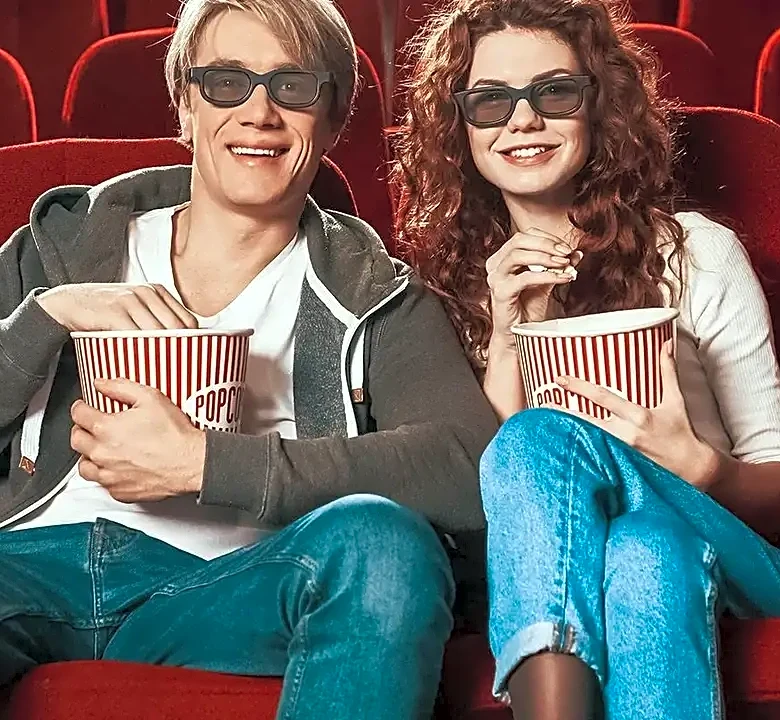
Perhaps the most human element streaming can’t replicate is the audience itself. Laughter is more explosive in a crowded room. A jump scare is more potent when you hear a hundred people gasp along with you. This fall sees the release of “Practical Magic 2,” reuniting Sandra Bullock and Nicole Kidman in a story built on charm and enchantment. That kind of film thrives on shared delight. You can chuckle alone at home, but the rolling wave of laughter in a full theater is an experience of collective joy. On the other end of the spectrum, a psychological thriller like “Verity” from director Michael Showalter is designed to create a palpable tension that you can feel in the room's silence. The shared focus, the collective holding of breath during a pivotal scene, transforms a solitary viewing into a communal event. It’s the modern equivalent of telling stories around a campfire, and it’s an energy that no algorithm can generate.
The Commitment of Leaving the House
The greatest feature of streaming—its frictionless ease—is also its biggest weakness. At home, a movie is just more content competing for your attention. You can check your phone, answer an email, or pause to let the dog out, splintering the narrative into a series of distracted moments. Going to a theater is an act of commitment. You buy a ticket, you silence your phone, and you give a story two hours of your undivided attention. This ritual matters. It creates a space where you are receptive to nuance, where a slow-burn drama can unfold without being judged for its pacing, and where a complex film like Aaron Sorkin’s “The Social Reckoning” can command the focus it requires. By removing all distractions, the theater allows you to fall into a story completely. It turns watching a movie from a passive activity into an active experience, honoring the film as a piece of art, not just a way to kill time.