




Beyond the 'Effortless' Aesthetic
The “clean-girl” trend, popularized on TikTok, champions a look that is polished, minimalist, and seemingly effortless. It’s about a lifestyle of wellness, from green juice to Pilates, and a skincare routine that results in a “no-makeup” makeup look characterized
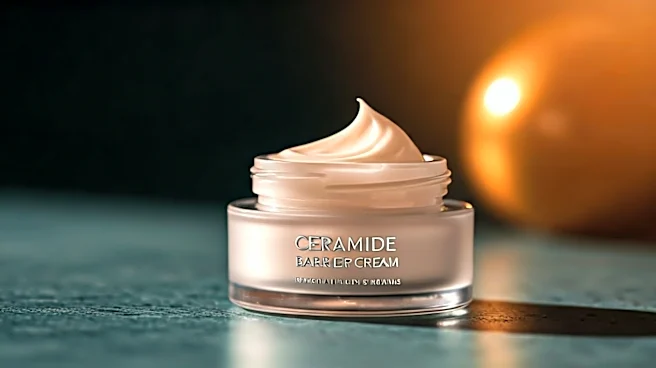
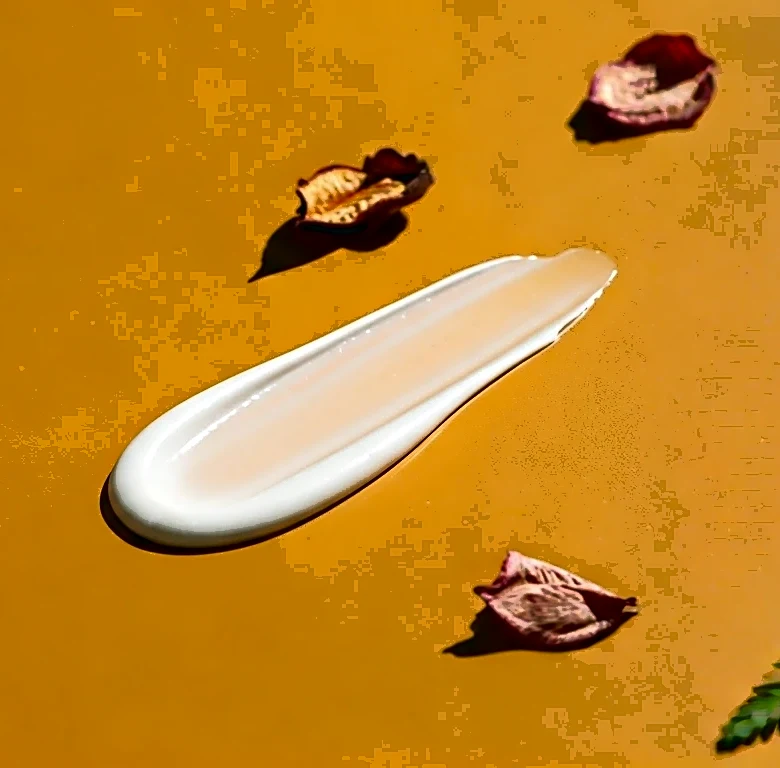
by radiant, healthy skin. Ceramide creams, with their promise of a hydrated, glowing complexion, became the unofficial face of this movement. They fit the visual perfectly: a simple, often white-tubed product for a simple, clean look. But reducing this potent ingredient to a mere aesthetic accessory does it a major disservice. It’s like complimenting a structural engineer on their nice-looking blueprints; the real value is in the function, not just the form.
So, What Are Ceramides, Anyway?
Let’s get into the science, but make it simple. Think of your skin’s outermost layer like a brick wall. The skin cells are the bricks, and ceramides are the mortar holding everything together. These lipids, or fats, naturally make up over 50% of your skin's composition. Their job is to form a protective barrier that does two critical things: keep moisture locked in and keep harmful environmental stressors—like pollution and germs—out. When your ceramide levels are low, which happens naturally with age and due to environmental damage, that mortar starts to crumble. The result is a compromised skin barrier, leading to dryness, irritation, sensitivity, and redness.
The Summer Skin Paradox
Common wisdom suggests that in the sticky heat of summer, we should use lighter, almost non-existent products to avoid feeling greasy. It seems counterintuitive to slather on a “barrier cream,” but summer is precisely when your skin's defenses are under the most intense assault. Sun exposure is a primary culprit, as UV radiation damages the skin barrier and depletes its natural lipid content. But it doesn't stop there. Chlorine from the pool and salt from the ocean strip your skin of its natural oils, weakening the barrier. Even the relief we seek indoors—blasting air conditioning—is a major source of dehydration, as it pulls moisture from the air and, consequently, from your skin. All these factors contribute to a weakened barrier that desperately needs support. A ceramide-fortified routine can help protect against this UV-induced damage and keep skin hydrated.
Won't It Be Too Heavy or Clog Pores?
This is the million-dollar question for anyone with oily or acne-prone skin. The fear of a rich cream causing summer breakouts is real. However, the beauty of modern skincare formulation is that “barrier repair” doesn't have to mean “heavy and greasy.” Ceramides are what's known as a “skin-identical” ingredient, meaning your skin recognizes them and knows what to do with them. This makes them suitable for all skin types, including oily, sensitive, and breakout-prone skin. In fact, a damaged barrier can sometimes lead to an overproduction of oil as the skin tries to compensate for the lack of moisture, so restoring balance can actually help. The key is to look for lightweight, non-comedogenic formulations, often labeled as gel-creams or lotions, which provide all the barrier-strengthening benefits without the weight.