







First, What Is a Square Face?
Before diving into the technique, let's define the canvas. A square face shape is characterized by its strong, angular jawline and roughly equal width across the forehead, cheekbones, and jaw. Think of iconic faces like Angelina Jolie, Olivia Wilde, or Hailey
Bieber. For years, beauty advice often focused on 'softening' these angles, as if they were a problem to be solved. The modern approach, however, is less about hiding the structure and more about celebrating it with strategic dimension.
The Art of the Modern Chisel
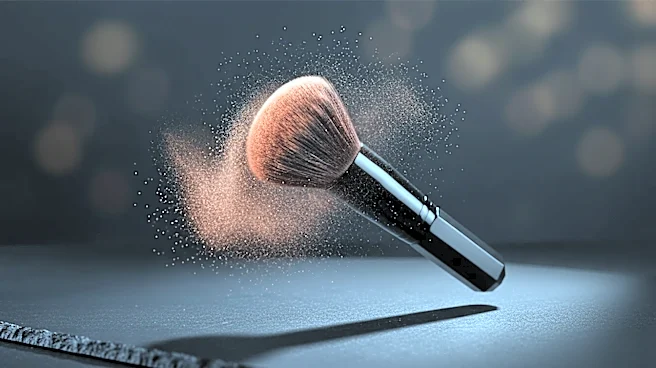
The new way to contour a square face isn't about creating an entirely new face shape. It's a nuanced art. Makeup artists today use contour—typically a cream or powder a few shades darker than the skin tone—not to erase the jawline but to add depth just beneath it. This makes the existing structure pop. Shadow is often applied lightly to the temples and the corners of the forehead to create a subtle, rounded dimension. Then, highlighter is placed on the high points: the center of the forehead, the bridge of the nose, the top of the cheekbones, and the chin. The result is not a different face, but a high-definition version of the original, where strength and softness coexist.
From the Stage to Main Street
Contouring's journey to the mainstream is a story in itself. It has deep roots in theatrical and drag performance, where creating dramatic facial transformations under harsh stage lighting is essential. Old Hollywood stars also used it to manipulate light and shadow for the camera. But its arrival in the average person's makeup bag can largely be credited to the rise of reality television and social media in the 2010s. Celebrities like Kim Kardashian, guided by makeup artists, popularized a very heavy, stylized version of contouring. This initial wave has since settled into something more refined and personalized, adapting to different face shapes not to mask them, but to enhance them.
The New Power Structure
Here’s where a simple makeup technique becomes a cultural statement. The decision to enhance, rather than hide, a strong jawline reflects a shift in beauty ideals. A defined jaw is often subconsciously associated with competence, authority, and confidence. In previous decades, mainstream female beauty standards often prioritized soft, delicate, and almost girlish features. The modern contoured look on a square face does something different. It embraces and amplifies features that signal strength. It suggests a woman who is not afraid to be seen as powerful. This aesthetic aligns perfectly with a cultural moment where female empowerment and leadership are more visible and celebrated than ever before. It is the face of quiet confidence.
A Uniquely American Aesthetic
This combination of a strong, defined bone structure with a polished, glowing finish feels distinctly American in the current moment. It merges the nation's aspirational ideals of strength and self-determination with a modern, wellness-inflected glamour. It’s not the effortless, undone chic of French beauty, nor is it strictly adhering to the specific trends of K-beauty. It’s a hybrid: polished, powerful, and ready for its close-up. The look is aspirational yet achievable through technique, embodying a very American belief in self-improvement. It’s the look of someone who is in charge of her own image, using makeup not as a costume, but as a tool to amplify who she already is.