



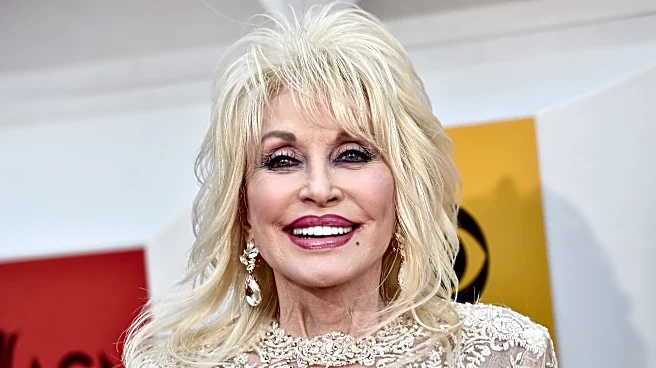
A 'Coat' of New Colors for Dolly
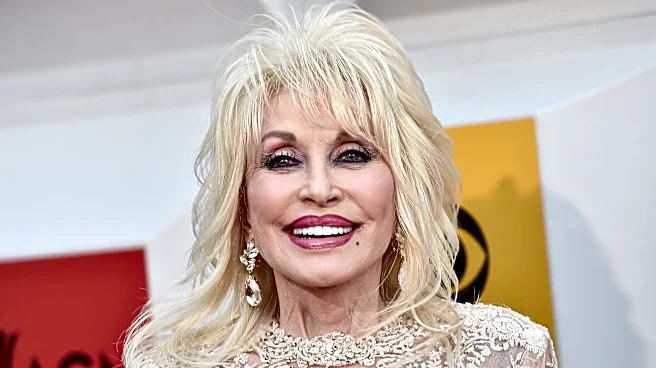
Tackling a Dolly Parton song is like trying to repaint a masterpiece. The original is so ingrained in our cultural memory that any new attempt risks feeling like a pale imitation. Yet, at this year’s awards, a tribute to the late icon became one of the night’s
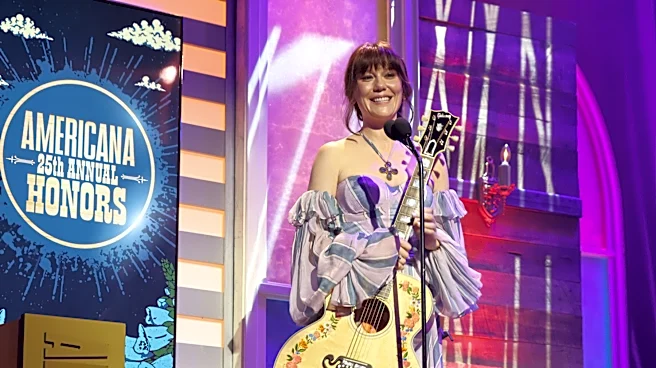
most poignant moments. Brandi Carlile, joined by the sublime harmonies of I'm With Her (Sarah Jarosz, Aoife O'Donovan, and Sara Watkins), performed a stunningly beautiful rendition of “Coat of Many Colors.” They didn't try to replicate Dolly’s singular, story-telling charm. Instead, they transformed it into a soaring, harmony-rich hymn. The reinterpretation lay in the delivery: four distinct, powerful female voices weaving together, turning a personal story of childhood poverty and pride into a collective anthem of resilience. It was an act of reverence that amplified the song’s emotional core without mimicking its creator, proving the standard is strong enough to hold multiple truths at once.
Resurrecting the Heartbreakers' Sound
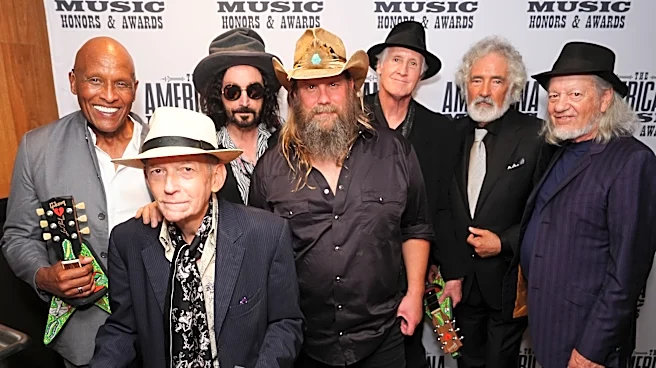
Sometimes reinterpretation isn’t about changing the song, but changing the voice. In a moment that felt like bottled lightning, the surviving original members of Tom Petty and the Heartbreakers reunited on stage for the first time in years to accept a Lifetime Achievement Award. But who could possibly fill the void left by Tom Petty? The answer came in the form of Chris Stapleton, a titan of modern country with a voice like gravel and soul. As Stapleton tore into “American Girl” and “Breakdown,” it wasn’t an impersonation. It was a channeling. His gritty, powerful vocals brought a different kind of fire to the familiar classics, while Mike Campbell and the band sounded as vital as ever. This reinterpretation showed how a rock standard can be filtered through an Americana lens, reminding everyone that Petty’s songwriting is a foundational text for countless artists across genre lines.
Robert Plant Digs for Roots Gold
While some artists honored recent legends, fellow Lifetime Achievement honoree Robert Plant took a different path, reaching deep into the dusty crates of the American songbook. The former Led Zeppelin frontman, who has spent the last two decades exploring roots music, delivered a smoldering version of the 1930s spiritual “Satan Your Kingdom Must Come Down.” Plant’s performance was a masterclass in atmosphere, turning the traditional tune into a swampy, blues-inflected meditation. He followed it with Los Lobos’ “Angel Dance,” another nod to the rich tapestry of American music. This wasn't a tribute to a single artist but to the entire tradition itself. Plant’s choices demonstrate another form of reinterpretation: taking obscure or traditional material and using his unique vocal presence to introduce it to a new audience, connecting the dots between the British folk revival and its American sources.
Keeping the Community's Stories Alive
Not all standards are decades-old classics heard on every radio station. Within the Americana community, some of the most important songs belong to their own fallen heroes. The ceremony also honored the legacies of Todd Snider and The Mavericks’ Raul Malo, who passed away in the last year. Hayes Carll and Elizabeth Cook performed Snider’s beloved “Play a Train Song,” not as a somber dirge, but with the wry, rambling spirit that defined him. Later, the entire cast came together for a raucous, joyful take on The Mavericks’ “Dance the Night Away” to honor Malo. These weren't just covers; they were acts of communal remembrance. By performing these songs, the artists ensure that the stories and spirits of their friends remain part of the ongoing narrative, turning personal anthems into shared standards.