
The Lookbook: A Commercial Blueprint
Before a single flashbulb goes off at Spring Studios, every collection has already been documented in a lookbook. Think of the lookbook as the commercial heart of a collection. Its audience isn't the press or the public, but the retail buyers who decide
what ends up in stores. The goal here is clarity and commerce. Garments are shot cleanly, often on a simple background, with minimal styling. A sweater is shown as just that: a sweater you can imagine wearing to brunch. The styling is intentionally straightforward to show the product's cut, fabric, and fit without distraction. It answers the practical questions: What does this piece actually look like, and how would a real person wear it? The lookbook is a sales tool, designed to move product from the designer’s studio to the store floor.
The Runway: A Theatrical Spectacle
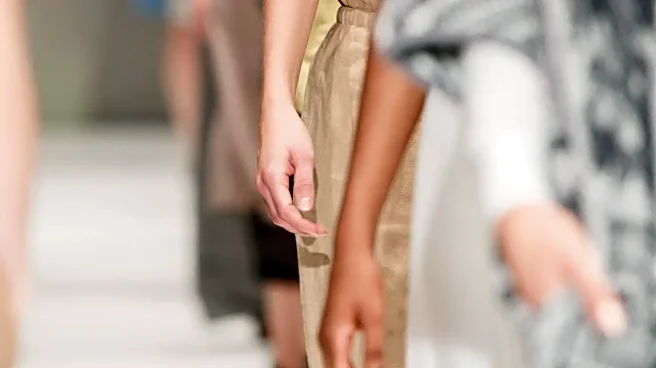
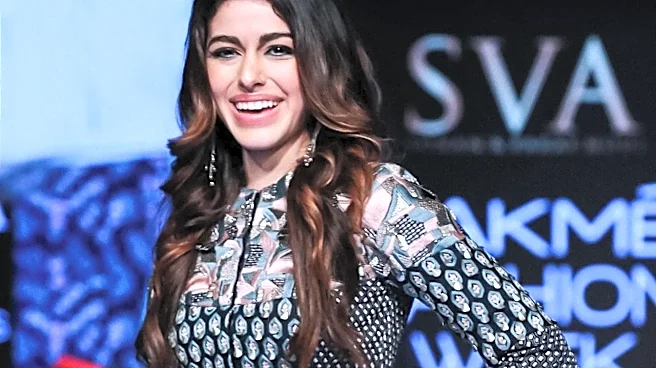
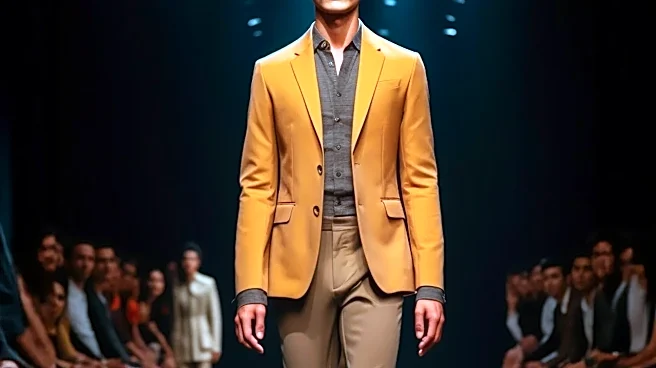
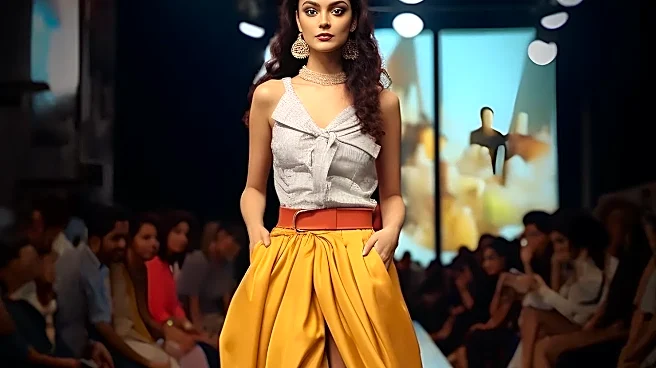
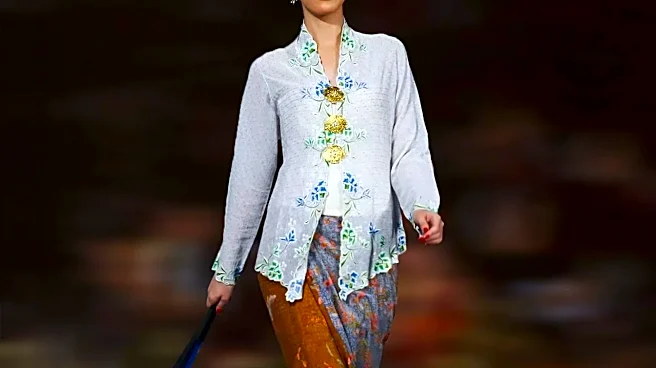
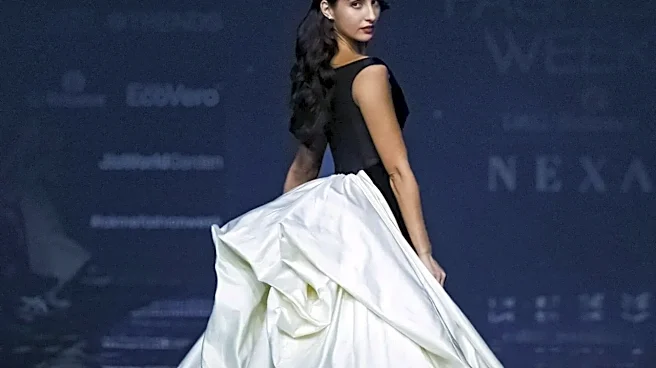
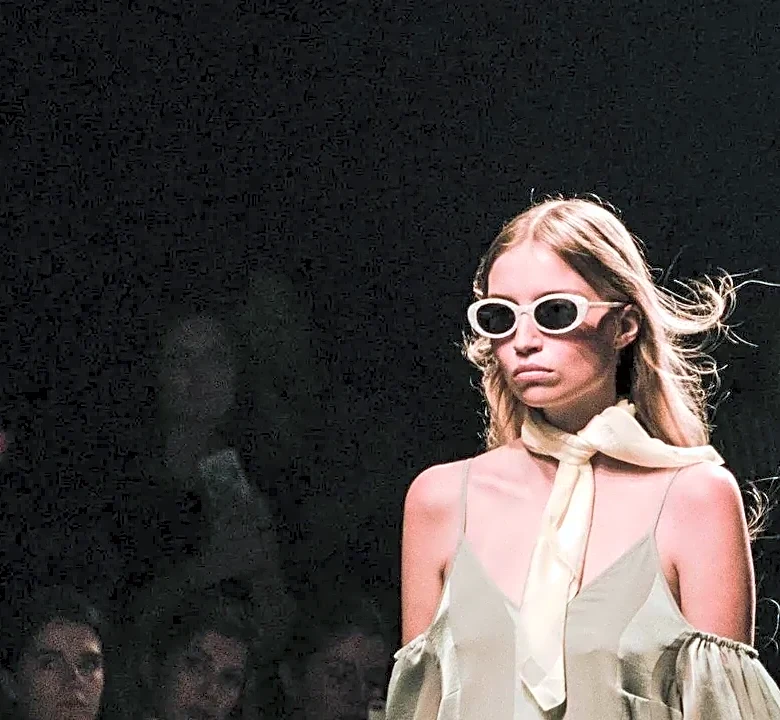
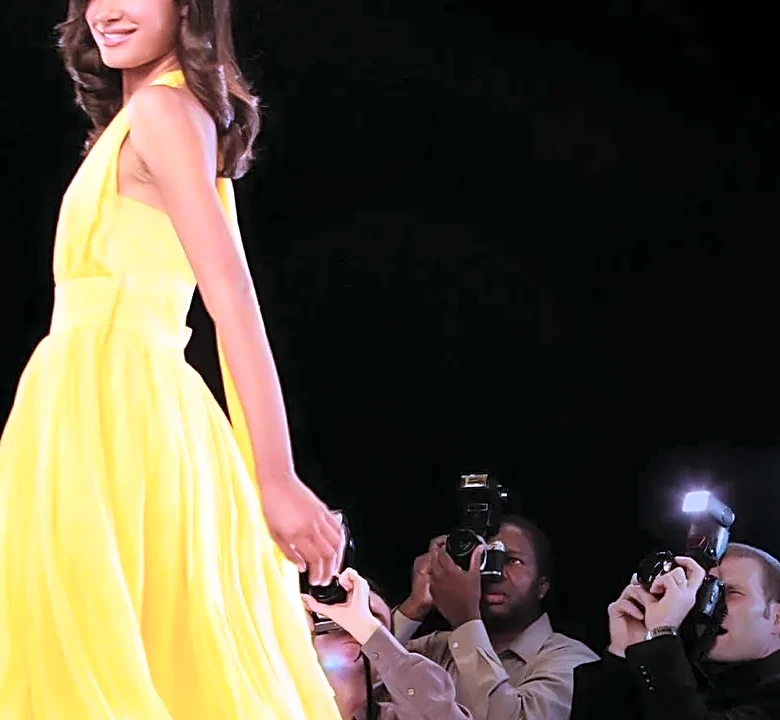
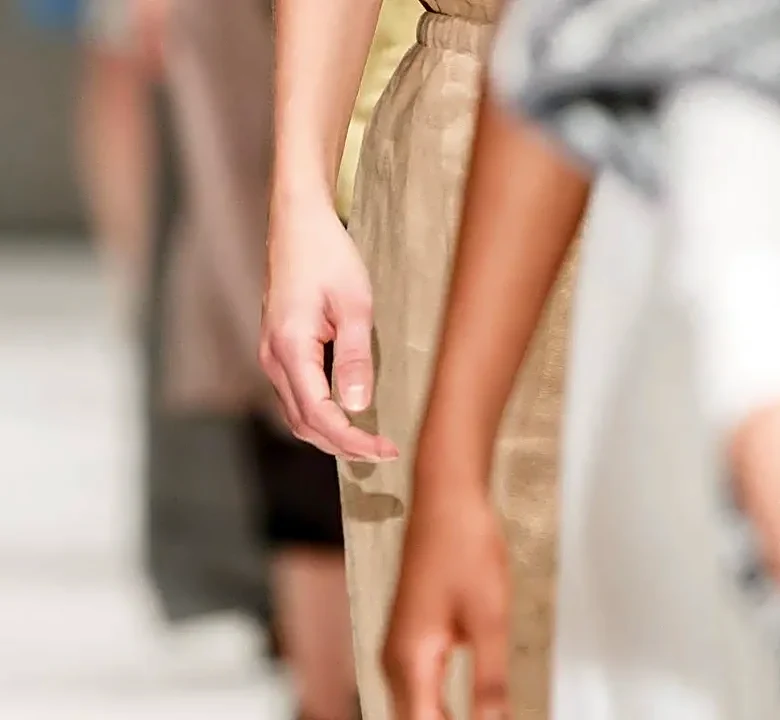
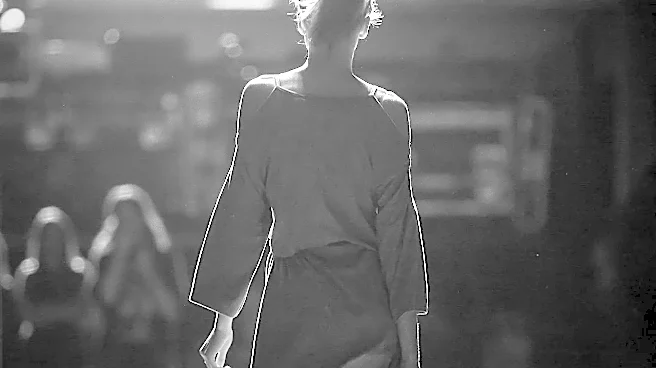
The runway is a different beast entirely. If the lookbook is a dictionary entry, the runway show is a novel. Its primary purpose isn't to sell a single item, but to sell a dream, a mood, and a brand identity. This is where the stylist's role becomes transformative. They work with the designer to build a narrative for the press, influencers, and the world. That simple sweater from the lookbook might be layered over a sequin dress, tucked into oversized vinyl trousers, or worn upside down as a shrug. The goal is to create a memorable, press-worthy moment that communicates the collection's core theme. The show is pure theater, and the clothes are costumes for the characters in the designer's story. It’s about generating buzz and establishing a powerful aesthetic vision.
The Stylist's Toolkit of Transformation
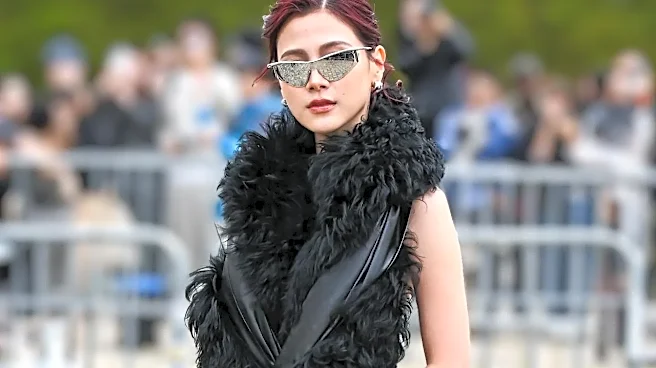
So, how does this transformation happen? A stylist has a powerful arsenal of tricks to bridge the gap between commercial reality and artistic fantasy. Layering is key; pieces that aren't even for sale might be added to create a specific silhouette. A stylist might also deconstruct a garment, pinning a jacket to hang off the shoulder or tying a shirt in an unconventional way to change its shape entirely. Accessories are deployed with strategic intent—a massive belt, a cascade of necklaces, or a bizarre shoe choice can completely alter the context of an outfit. Even the model's hair and makeup are part of the styling, contributing to the overall narrative. These choices are not random; they are meticulously planned to support the designer's vision and create a look that is aspirational and visually arresting.
From Product to Art and Back Again
Ultimately, the difference between the lookbook and the runway highlights the dual nature of fashion: it is both art and commerce. The runway look is what gets shared on social media and dissected by fashion critics; it's what makes a brand feel relevant and exciting. It's an invitation to dream. The lookbook version is what a customer actually adds to their cart. It’s the wearable, practical translation of that dream. While buyers might see the collection in private showroom appointments after the runway show, they are still purchasing the core pieces, even if they request slight modifications. The runway provides the fantasy, but the lookbook provides the blueprint for your own personal style. It's a clever system that allows a single garment to be both a piece of conceptual art and a cherished item in someone's closet.