


The Seduction of Spectacle
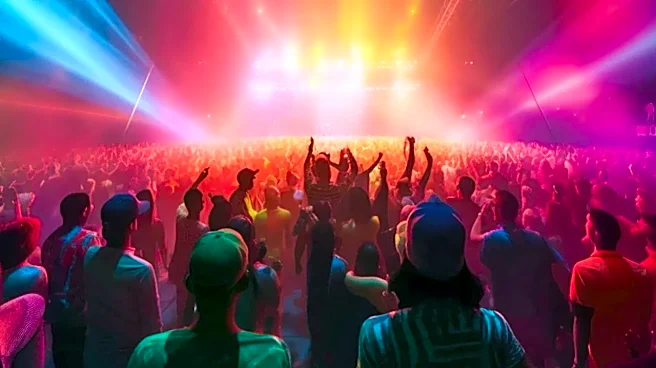
In the arms race for festival dominance, 'epic' is the baseline. Promoters feel immense pressure to create moments built for social media, engineering viral buzz that justifies sky-high ticket prices. The thinking is straightforward: a jaw-dropping stage
design or a once-in-a-lifetime guest collaboration is what sells tickets and defines a festival's brand. This leads to a focus on ambitious, high-tech productions. From massive LED screens displaying mind-bending visuals to intricately choreographed pyrotechnics, the goal is to produce an overwhelming sensory experience. In 2023, ACL even swapped its traditional fireworks for a drone show due to fire-risk concerns, a perfect example of how technology is leveraged for that 'wow' factor. This ambition isn't inherently bad—it’s responsible for some of the most memorable moments in live music history. But it often pulls focus and resources away from the less glamorous, foundational elements of the festival experience.
The Unseen Foundation of Fun
Here’s the thing about a three-day festival: your overall enjoyment isn’t defined by one 10-minute spectacle. It’s the sum of dozens of smaller experiences. Can you get water without a 45-minute wait? Are the bathrooms reasonably clean and accessible? Is sound bleeding from a nearby stage ruining the acoustic set you came to see? Common fan complaints across major festivals consistently point to these logistical pillars: overcrowding, poor sound quality, and insufficient facilities. When these things fail, they create a constant, low-grade frustration that no headliner's encore can erase. A flawlessly executed festival is one you don't have to think about. The transportation is smooth, the layout is intuitive, and you can focus on the music, not the hassle. Reviews from past ACL attendees often praise these very things—a well-organized park layout and efficient vendor lines—as highlights of their weekend, sometimes even more so than the performances themselves.
When Ambitious Gambles Don't Pay Off
The problem with prioritizing ambitious production is that when it fails, it fails spectacularly and can even become dangerous. A complex technical element can malfunction, leaving a headliner playing in awkward silence. A poorly planned surprise guest can lead to dangerous crowd surges, as seen in tragedies at other festivals. Even something as simple as weather can derail the most elaborate plans; organizers constantly monitor conditions that can ground drone shows or create mud pits, sometimes forcing delays or cancellations. These high-risk, high-reward plays stand in stark contrast to the low-risk, high-reward nature of solid logistics. No one will post an Instagram story about a short bathroom line, but the collective relief and comfort it provides across 75,000 attendees is immeasurable. A smoothly running event enhances every single set, for every single fan, creating a baseline of quality that ambitious moments are supposed to complement, not replace.
ACL's Delicate Balancing Act
To its credit, Austin City Limits has a reputation for getting many of the fundamentals right. Spread across Zilker Park against the Austin skyline, it's known for a sensible layout, great food options, and a generally professional operation. Yet, it's not immune to the challenges that plague all mega-festivals. Overcrowding remains a persistent complaint from some attendees, with the sheer volume of people in a finite space creating bottlenecks and a chaotic 'free for all' feeling during transitions. As a massive, two-weekend event that draws nearly half a million people, the temptation to oversell or over-promise is always there. As ACL continues to grow, it faces a choice: will it double down on the reliable, comfortable experience that has made it a mainstay, or will it chase fleeting, spectacular moments at the expense of that foundation? The smartest move is to treat logistical excellence as the main event and production fireworks as the encore.