




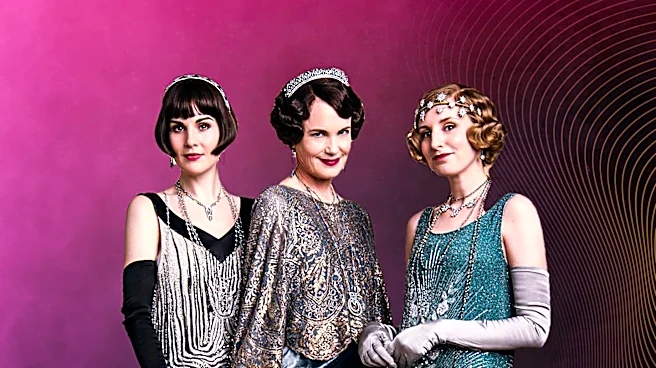


The Hollywood red carpet is a global stage for flawless glamour. The art world has its own catwalks—gallery openings, museum galas, and fairs like Art Basel—but the dress code speaks a different language. Here's how they diverge.
1. The Goal: Pretty vs. Provocative
On a Hollywood red carpet,
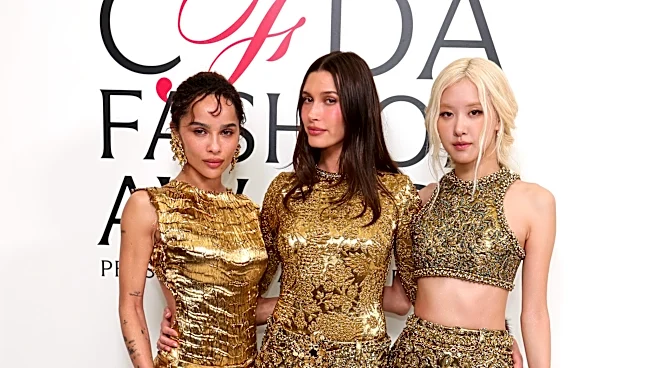
the primary objective is to look beautiful. It’s about aspirational glamour, flawless execution, and creating a 'moment' that lands on best-dressed lists. The fashion is a vehicle for the celebrity. In the art world, the goal is often more cerebral. An outfit might be chosen to convey an idea, signal intellectual credibility, or align with the specific artist or exhibition. It’s less about being pretty and more about being interesting, provocative, or even intentionally 'difficult.' The clothing is a conversation starter, not just a perfect picture.
2. The Silhouette: Flattering vs. Architectural
Red carpet gowns typically rely on time-tested, figure-flattering silhouettes: the mermaid, the A-line, the classic column. These shapes are designed to enhance the wearer’s body and photograph beautifully from every angle. Art-world fashion, however, often plays with more experimental and architectural shapes. Think oversized proportions, asymmetrical cuts, deconstructed garments, and sculptural forms that challenge conventional ideas of what is flattering. The body is a frame for a wearable sculpture, not just a figure to be draped elegantly.
3. The Designers: Household Names vs. Niche & Niche-to-Be
The Oscars and Golden Globes are dominated by the biggest names in luxury: Chanel, Dior, Armani, Versace. These are globally recognized brands synonymous with prestige and high-wattage glamour. The art scene often champions a different roster of designers. You're more likely to see avant-garde labels like Comme des Garçons or Rick Owens, niche darlings known for their conceptual approach, or emerging designers with a strong artistic point of view. Wearing a lesser-known but critically respected designer signals you're 'in the know.'
4. The Palette: Bold Glamour vs. Considered Cool
Hollywood loves color, sparkle, and high_impact statements. Bright jewel tones and dazzling metallics are staples that ensure a star stands out in a sea of flashes. The art world, by contrast, has a long_standing love affair with black. It’s a color that feels serious, intellectual, and doesn’t compete with the art on the walls. When color does appear, it’s often in a more considered, less obvious way—an unexpected pairing, a block of a single, unusual hue, or a complex pattern that feels more like a painting than a print.
5. Hair and Makeup: Polished Perfection vs. Expressive Freedom
Red carpet beauty is about polish. Every hair is in place, the makeup is flawless and often timeless (a classic red lip, a smoky eye), and the goal is to look like the most refined version of oneself. In the art world, beauty rules are more relaxed and experimental. An attendee might pair a bold, architectural outfit with completely minimal, undone hair and makeup, or vice versa. It’s a space where a 'weird' haircut or an unusual swipe of colored eyeliner is seen as an extension of personal style, not a mistake.
6. The Attitude: Visible Effort vs. Studied Nonchalance
A Hollywood look screams effort, and that's the point. The weeks of preparation, the team of stylists, the hours in the chair—it all culminates in a moment of visible, breathtaking perfection. Art_world style, on the other hand, often aspires to 'sprezzatura,' an Italian term for a kind of studied nonchalance. The goal is to look like you just threw on something brilliant without thinking too much about it even if the outfit is meticulously curated. The effect is one of effortless cool suggesting that your mind is on higher things like the art.
7. The Accessories: Bling vs. The 'Art' Object
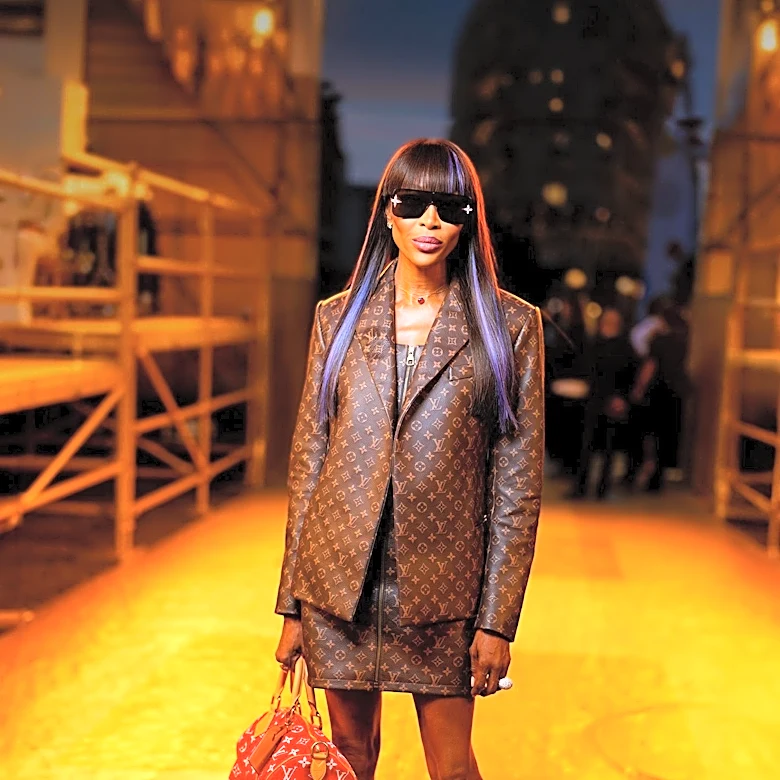
On the red carpet accessories are often about pure high impact luxury—millions of dollars in diamonds from a famous jewelry house the season's 'it' clutch from a major brand at a gallery opening accessories can be more personal and eclectic you might see a unique piece of handcrafted jewelry from an independent maker a vintage bag with a strange shape or even an accessory that functions as a small art piece itself value is in the object uniqueness and story not just its price tag.