







The New Sid Is an iPad
Since 1995, the central tension of every Toy Story film has been the fear of replacement. It’s the existential dread that haunts every toy: a new favorite will arrive, a child will grow up, or you’ll simply be forgotten. We’ve seen this threat personified
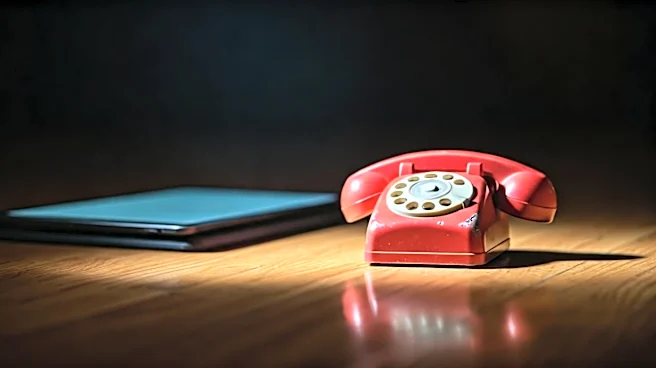
in flashy new toys like Buzz Lightyear and Lotso, the evil bear who weaponized this fear. But in 2024, the ultimate rival isn't another toy. It’s the tablet. The iPad, the Nintendo Switch, the smartphone—these devices aren't just competition for a child's attention; they represent a fundamental shift in the nature of play itself. They offer endless games, videos, and creative tools, a universe of stimulation that a static plastic cowboy can’t possibly match. Unlike Sid, the kid-next-door who tortured toys for fun, the tablet isn't malicious. It’s just better. Its threat is one of quiet, comprehensive obsolescence, making it the most terrifying and emotionally complex antagonist the franchise has ever faced.
Why 'Kids These Days' Isn't a Story
The easy, lazy version of Toy Story 5 is a film where the toys sit on a shelf, gathering dust, while their new owner, Andy’s successor, blankly stares at a screen. This isn’t a story; it’s a tired cultural observation. A movie about toys being ignored is boring. It lacks agency, conflict, and stakes. We need to see the battle for a child’s heart, not just the sad aftermath of its loss.
For the conflict to work, the audience needs to understand what’s happening inside the child’s mind. The tablet can't just be a black box of digital distraction. The toys—and by extension, the audience—must be able to see and feel the process of being replaced. The threat needs a face, a name, a form. It has to become tangible. Otherwise, Woody and Buzz are just fighting a vague societal trend, and that’s not a compelling narrative. It’s an op-ed.
The One Prop That Changes Everything
So, how does Pixar make an iPad a compelling villain? They need a story-generating engine within the device itself. The solution is one, perfect prop: a digital drawing and story-making app. Think of a kid-friendly Procreate or a digital diary where the child doesn’t just consume content, but creates it.
This single prop transforms the tablet from a passive screen into an active stage for the child’s imagination. It’s the 21st-century version of Andy’s cardboard box sets. Within this app, the child draws their heroes, writes their adventures, and builds their own worlds. It’s a direct window into their creative soul. And for the toys, it’s a terrifyingly clear measure of their relevance. Are they still the stars of the show, or have they been written out of the story entirely?
How a Digital Diary Creates Drama
Imagine the scenes this prop makes possible. The toys, desperate for a sign of their child’s affection, manage to get a peek at the tablet. At first, they are thrilled to see themselves rendered in clumsy, crayon-like digital strokes. Woody is the sheriff of a new, hand-drawn town. Buzz is blasting through a galaxy of scribbled stars. They’re still loved.
But then, the updates become less frequent. New characters, born entirely from the child’s imagination and the app’s drawing tools, start showing up. A space knight with a laser sword. A talking cat with magical powers. Soon, these new digital creations are getting all the attention. The toys watch, helplessly, as their own drawings are moved to a back folder, archived and forgotten. The child isn’t just ignoring them; they are actively creating their replacements. This makes the threat devastatingly personal. It’s not about being broken or lost; it’s about watching your own story being erased and rewritten without you.