






The Anatomy of a Cup-Tie
First, let's set the stage. A league season is a marathon. A cup competition is a series of sprints where you can't afford to stumble. In league play, a 1-0 loss is a setback; you have 30-odd other games to make up for it. In the knockout rounds of the World
Cup or Champions League, a 1-0 loss is the end of the road. This do-or-die context amplifies the importance of every single moment. When goals are scarce and a single score can decide the entire contest, any factor that can influence a key moment—however small—becomes hugely significant. This is the environment where the psychological warfare of fan noise truly thrives.
Swaying the Person in Black
Referees are highly trained professionals, but they are also human. Study after study has confirmed the profound impact of a partisan crowd on officiating. In a controlled study, qualified referees who watched challenges with loud crowd noise were significantly more hesitant and awarded 15.5% fewer fouls against the home team compared to those who watched in silence. It's not necessarily a conscious choice. Researchers suggest it's a subconscious strategy to avoid the intense social pressure and stress of making an unpopular call against the home side. In a tight game, a 50/50 challenge that doesn't get called or a yellow card that stays in the pocket because of the crowd's roar can be the difference between a team keeping eleven players on the pitch or going down to ten.
The Tactical Disruption
Beyond influencing the officials, sheer volume has a direct tactical impact. Soccer is a game of constant, fluid communication. A goalkeeper needs to shout instructions to defenders on a set piece. A midfielder needs to alert a teammate to a blindside run. A coach needs to relay a change in formation from the touchline. A deafening home crowd can sever these lines of communication. What is normally a quick verbal cue becomes a frantic hand signal that might be missed. This forced reliance on non-verbal cues can create a fraction of a second's delay in organization or reaction—and in a low-scoring game, that's all the time a world-class striker needs to find space and end a team's dream.
Fueling Belief, Sowing Doubt
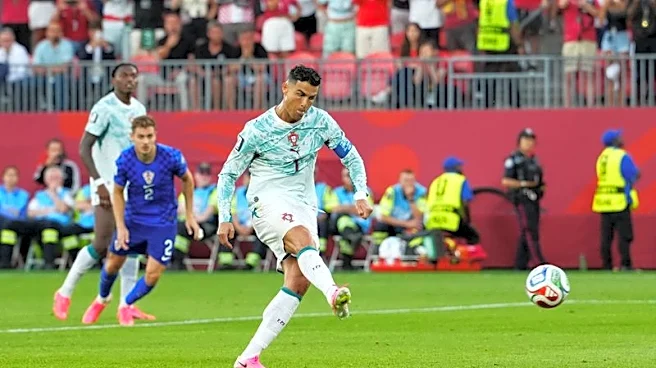
The psychological effect on players is arguably the most visible factor. Supportive noise can boost motivation, confidence, and even physical output through an adrenaline rush. It creates a positive feedback loop: the team plays well, the crowd roars, and the team feels empowered to play even better. Conversely, for the visiting team, that same noise can be a source of anxiety and pressure. Studies on penalty kicks, the ultimate high-pressure, low-scoring decider, have found that accuracy is higher in silence and drops when players are subjected to negative crowd noise. The roar intended to lift one team actively works to diminish the other, creating a mental tilt on an otherwise level playing field.
The Low-Scoring Difference
This phenomenon is so pronounced in soccer precisely because the scoring is so low. In a basketball game with over 100 possessions and a final score of 110-105, one bad call or one moment of miscommunication is unlikely to be the sole reason for a loss. But in soccer, where many cup games are decided by a single goal, one refereeing decision, one defensive lapse from a communication breakdown, or one penalty kick miss under pressure can be—and often is—the entire story. The scarcity of scoring events makes each one disproportionately important, and therefore, any external influence on those events carries more weight. The crowd doesn't score the goal, but in the tightest of matches, it undeniably helps set the stage for it.