


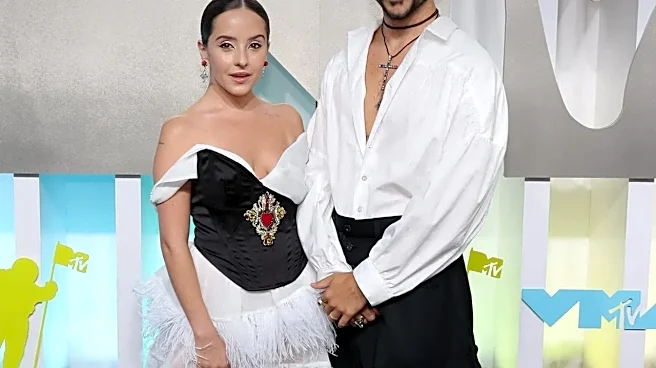
The Show vs. The Conversation
For decades, an awards show was a one-way street. Producers in a control room decided what you saw: the planned performances, the scripted banter, the carefully framed winner reactions. That era is over. Today, the official broadcast is just one version
of events. The other, more chaotic and often more influential version, unfolds across platforms like X (formerly Twitter), TikTok, and Instagram. An unscripted moment, once a fleeting blip, can now be clipped, memed, and debated by millions before the next commercial break. A celebrity’s reaction shot, an awkward exchange, or a stunning outfit can become the defining image of the night, completely overshadowing multi-million dollar performances. The audience is no longer just watching; they are co-directing the narrative in real time.
The Instant Meme Machine
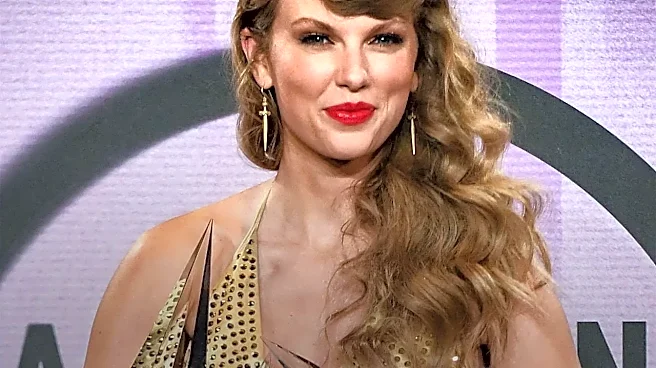
The speed of social media is the engine of this shift. Consider the infamous 2009 VMA moment when Kanye West interrupted Taylor Swift. In a pre-social media world, that would have been shocking watercooler talk the next day. In today's environment, it would become a globally trending meme within minutes. The phrase "I'mma let you finish" would be a hashtag, reaction GIFs would flood timelines, and countless video remixes would appear on TikTok before Swift even left the stage. This happens every year. Whether it's Nicki Minaj asking "Miley, what's good?" in 2015 or the collective analysis of Drake's swerved kiss attempt with Rihanna in 2016, social media seizes these unscripted beats and makes them the show's true legacy.
Fan Armies as Digital Kingmakers
Nowhere is this power shift more obvious than with the rise of organized fan armies. Groups like BTS's ARMY, Taylor Swift's Swifties, and Beyoncé's Beyhive don't just passively watch. They organize with military precision. They coordinate hashtag campaigns, mass-stream videos to boost visibility, and dominate online polls, ensuring their favorite artist is the main character of the night, regardless of who wins an actual award. At times, they've even created their own rival awards on Twitter to protest perceived snubs, generating hundreds of thousands of tweets and effectively hijacking the conversation from the main event. This proves that the perception of victory on social media can be more powerful and lasting than the physical award itself. It’s a powerful demonstration of how a connected community can build its own reality.
The Unofficial Story Takes Over
Ultimately, social media allows the audience to collectively decide what matters. The show's producers might want the big story to be a lifetime achievement award, but if a backstage photo of two artists reuniting goes viral, that becomes the moment everyone talks about. A planned publicity stunt, like Olivia Rodrigo's intentionally collapsing set, can generate buzz, but the spontaneous audience camera shot of Selena Gomez's concerned reaction might get even more traction. This feedback loop is so powerful that MTV and other networks have started leaning into it, creating social-first awards and encouraging TikTok trends. They understand that they no longer have a captive audience. They are competing for attention against the very people watching them, and the most interesting story wins—even if it's one the producers never planned.