





The Main Event: More Than Just an Appearance
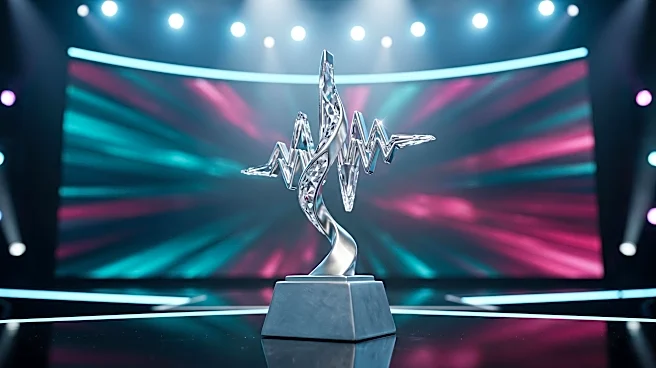
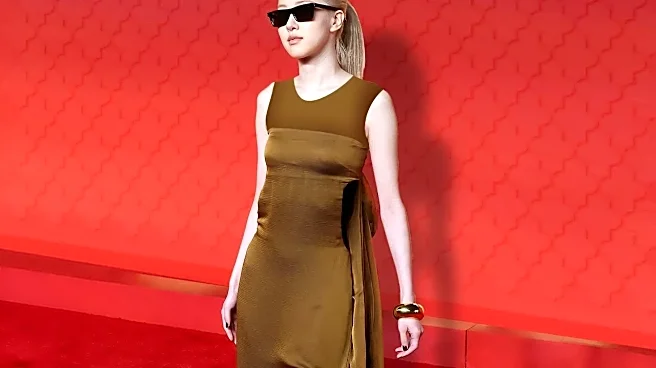
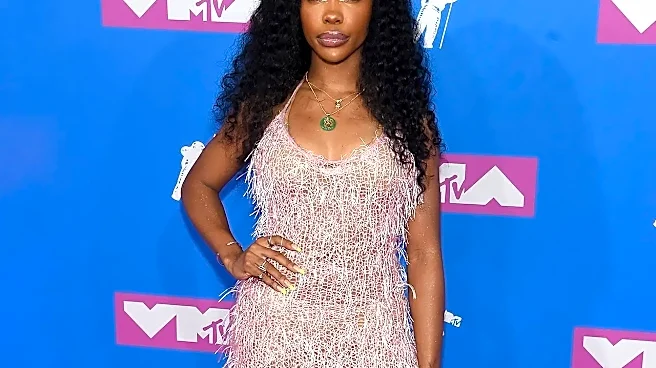
The night of the VMAs is the culmination, not the beginning. For a major artist, an appearance is a high-stakes performance on multiple fronts. The red carpet look is a branding statement, meticulously chosen to generate headlines. A live performance,
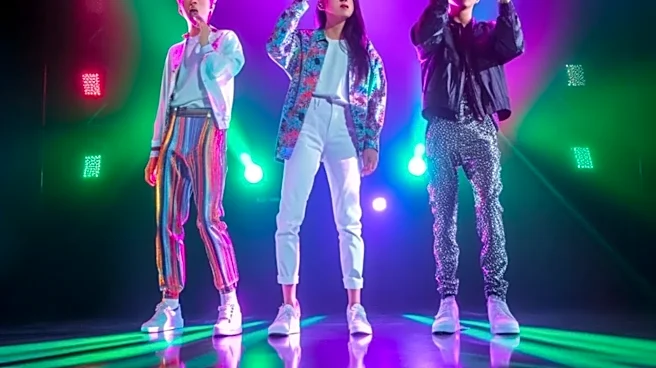
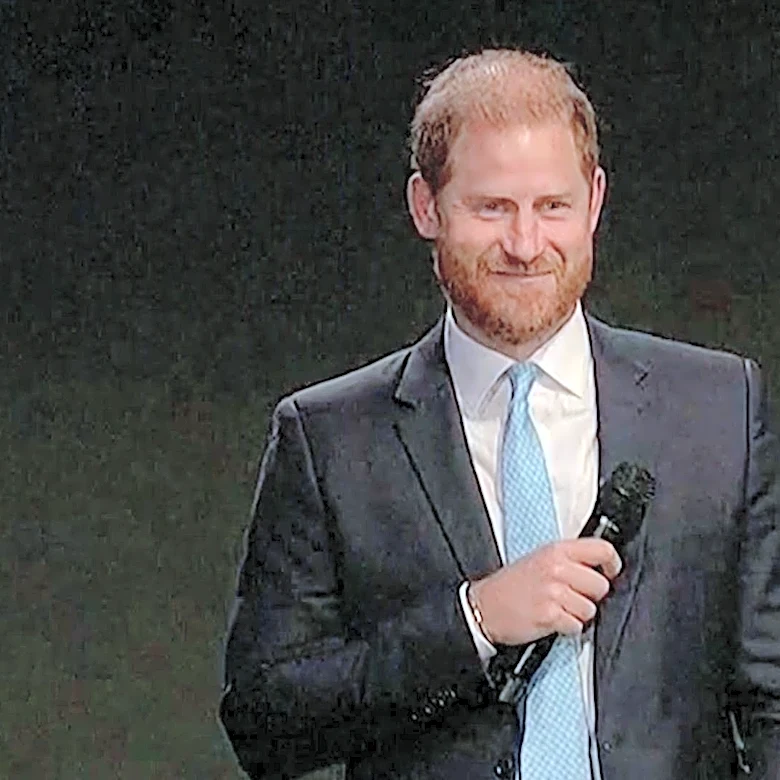
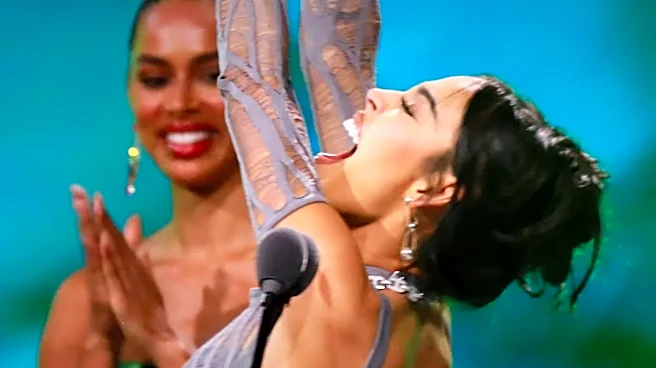
often secured months in advance, serves as a high-impact commercial for a new single or album. Even an acceptance speech is a carefully crafted opportunity to reinforce the artist's public persona. Behind the scenes, publicists are working in real-time, feeding photos and key messages to media contacts and ensuring their client is seen interacting with the right people. The goal isn't just to attend the party; it's to dominate the conversation the next day, turning a three-minute song into 24 hours of cultural relevance.
The Four-Week Countdown: Total Media Saturation
In the month leading up to the VMAs, the campaign shifts into high gear. This is the period of short-lead press, designed to create a crescendo of buzz. You'll see the artist appear on late-night talk shows, sit for interviews on popular podcasts, and grace the cover of a weekly entertainment magazine. The second single from the album might drop two weeks before the show, complete with a music video, to ensure it’s fresh in the minds of the audience. The artist’s social media becomes a strategic tool, with curated posts, “candid” behind-the-scenes content, and coordinated engagement to build hype. This media blitz ensures that by the time the artist steps onto the VMA red carpet, they are already top-of-mind, making their appearance feel like an inevitable and essential part of the pop culture landscape.
Three Months Out: Laying the Strategic Foundation
Long before the frantic final month, the real work begins. About three to four months out, the artist’s team—consisting of managers, label executives, and public relations experts—is deep in the planning phase. This is when they pitch and secure the VMA performance slot itself, a competitive process that involves negotiating everything from stage time to creative control. It’s also when they target long-lead press, primarily major monthly magazines that require a long runway for interviews, photoshoots, and printing. Securing the cover of a major fashion or culture magazine to hit newsstands the week of the VMAs is a classic, powerful move. The core narrative for the new album or project is finalized during this period, defining the key messages that will be consistently communicated across all platforms for the coming months.
The Six-Month Blueprint: The Master Plan
The decision to target the VMAs as a pivotal campaign moment is often made six months to a year in advance, coinciding with the early stages of a new album or project. A public relations team works with the artist to conduct a brand audit, defining how they want to be perceived in this new era. This high-level strategy identifies key promotional “tentpoles” for the year—major award shows, a Saturday Night Live hosting gig, a Super Bowl halftime show—and the VMAs are a premier choice for artists targeting a youth demographic. The entire release schedule is mapped backward from the album drop date, with the VMA appearance serving as a major peak in the promotional wave. Every subsequent decision, from single release dates to social media tactics, is designed to build momentum toward these anchor events, ensuring that when the moment finally arrives, it lands with maximum impact.