



A Nod to Heritage
For millions of Americans, the second team is a direct line to their family's past. In a nation of immigrants, the World Cup offers a powerful, vibrant way to connect with the country of a grandparent or great-grandparent. Suddenly, a family that’s been
in Ohio for three generations is passionately decked out in the blue and white of Argentina or the green and gold of Brazil, sharing stories of relatives from another time and place. This phenomenon isn't just about cheering for a team; it's about claiming a piece of identity. Watching Morocco make a historic run or seeing a player with a familiar surname represent a country your family once called home transforms the viewing experience. It becomes a month-long celebration of where you come from, with each match serving as a living link to family history being passed down to a new generation.
The Underdog Romance
There’s a unique joy in rooting for a team with no expectation of winning. Adopting an underdog as your second team is a low-risk, high-reward emotional investment. When a small nation pulls off a stunning upset, the celebration feels pure and uncomplicated. There's no crushing weight of expectation, just the thrill of a great story unfolding. This appeal is deeply psychological; we're drawn to David vs. Goliath narratives. Families can unite around the charming story of a tiny nation making its debut on the world stage or a team that plays with a particular joy and flair. It’s a shared experience without the potential for the deep-seated heartbreak that comes with your primary team's elimination. This shared journey, rooting for the little guy, often becomes a cherished memory and a story retold every four years.
Following a Favorite Player
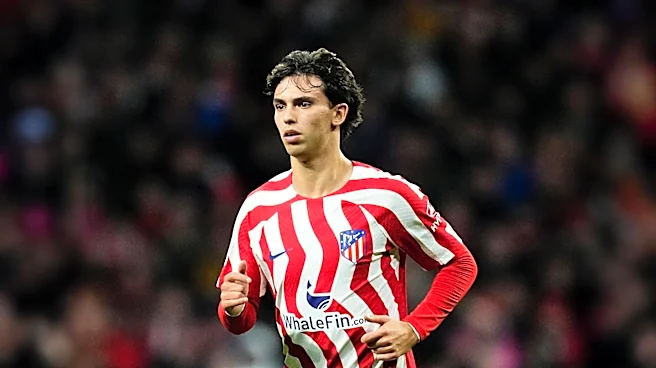
Modern soccer fandom is often player-centric. Many American fans follow European club leagues intensely, developing strong allegiances to players from their favorite teams like Arsenal or Barcelona. When the World Cup rolls around, that loyalty transfers to the national stage. If your family’s favorite Premier League striker is from Uruguay, you naturally develop a soft spot for the Uruguayan national team. This is a primary driver for how many fans pick teams to follow. It creates an instant connection and an easy choice for a second team. It also serves as a gateway for younger family members, who might know the players from video games or club matches, to become invested in the international tournament.
The Sweepstake and the Happy Accident
Sometimes, a tradition begins with pure chance. Many families and workplaces run World Cup sweepstakes or pools where teams are drawn from a hat. What starts as a simple ten-dollar bet can evolve into a genuine rooting interest. Suddenly, the whole family is researching the history of Senegal's team or learning the names of South Korea's star players. These accidental allegiances have a funny way of sticking. A team chosen at random in one tournament can become “our team” for years to come. Other times, it’s even simpler: a child falls in love with a team's colorful jersey, a family is captivated by a spectacular goal, or a team’s fans are particularly joyous. These simple, almost random entry points can blossom into full-fledged family traditions.
The Tie That Binds
Ultimately, the second team serves a crucial function: it keeps the family invested in the tournament together. When your primary team (if they even qualified) gets knocked out, the second team is there to carry the torch. It provides a common banner to rally under, a reason to keep gathering in the living room and sharing the experience. It’s a point of connection, a shared language that transcends the on-field result. These secondary allegiances, born from heritage, underdog love, or pure chance, become part of the family’s story. They are woven into the fabric of how we experience the world’s biggest sporting event, ensuring the passion and togetherness of the Soccer Cup lasts long after our first choice has gone home.