






The Anatomy of Anticipation
Long before the opening credits roll at the Toronto International Film Festival, the emotional groundwork has been laid. For months, cinephiles have tracked a film's journey from production announcements to a coveted spot in the TIFF lineup. By the time
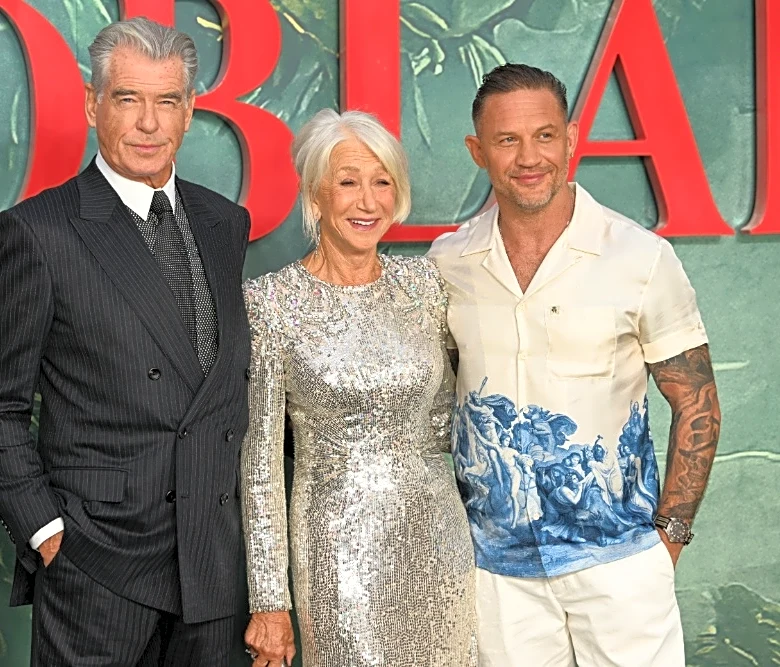
premiere night arrives, the audience isn't a blank slate; it's a highly primed group of festival pass-holders, critics, and industry insiders who are already invested. Add the energy of a red carpet, the palpable excitement of fans lining King Street, and the presence of the stars themselves, and you have a room practically buzzing with expectation. This isn't a casual Friday night at the multiplex. It’s a community gathering built on a shared love of cinema, where everyone arrives hoping to witness something special.
The Contagion of a Crowd
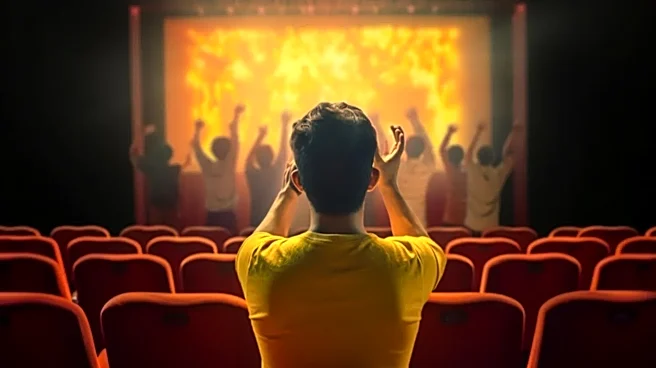
Once the film starts, social psychology takes over. A single gasp, laugh, or sob can ripple through the auditorium in seconds. This phenomenon, known as emotional contagion, is magnified in a premiere setting. In a packed house, every reaction is amplified. You’re not just reacting to the film; you're reacting to the hundreds of people around you reacting. When a dramatic moment lands, the shared silence is heavier. When a joke hits, the laughter is explosive. This feedback loop creates a powerful sense of unity and collective experience. TIFF is known as an "audience festival" precisely because of this receptive and enthusiastic energy, which filmmakers and studios count on. It transforms a passive viewing into an active, participatory event.
When the Cast and Crew Feel It, Too
Perhaps the most unique element is the presence of the filmmakers and actors in the theater, often seeing the completed film with a large audience for the first time. They’re not hidden away; they are sitting there, as vulnerable as anyone, waiting to see how their work is received. When the camera pans to a tearful director or a beaming actor during the credits, it forges an unbreakable bond with the audience. Their genuine emotion validates and intensifies the crowd's own feelings. This was famously seen in past festivals with films like "12 Years a Slave" or "The Whale," where the raw, human reactions of the creators became part of the story of the premiere itself. That shared emotional release—a mix of relief, pride, and gratitude—is intoxicating.
From Standing Ovation to Oscar Buzz
The emotional climax of a successful TIFF premiere is the standing ovation. While sometimes viewed cynically, a genuinely thunderous and prolonged ovation is the first tangible piece of evidence that a film is a hit. A recent premiere for Florian Zeller's 'Bunker' reportedly received a 15-minute ovation, the longest recorded at the festival. That singular event immediately becomes the headline. News spreads instantly on social media and in trade publications, framing the narrative around the film. A powerful premiere at TIFF can secure a lucrative distribution deal, launch an awards campaign, and create unstoppable momentum. The festival's prestigious People's Choice Award has become a reliable predictor of Oscar success, with past winners including "Green Book," "Nomadland," and "La La Land." The emotion in that room doesn't stay in the room; it echoes for months.