




In an Age of Overwhelm, Familiarity Sells
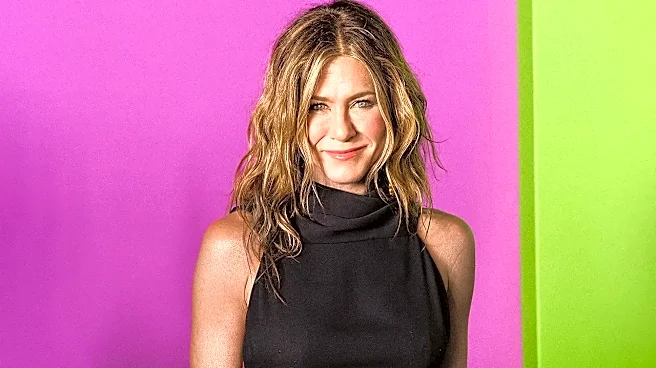
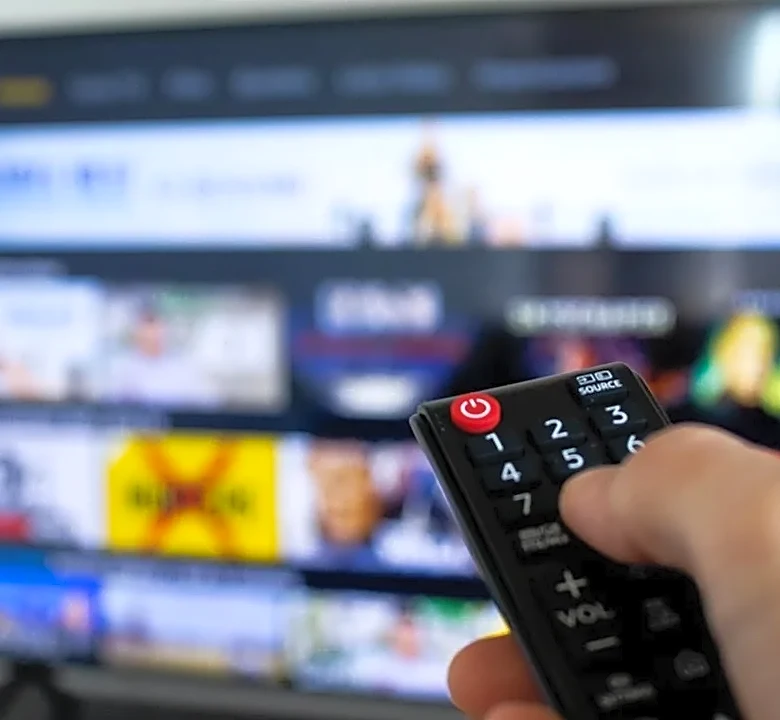
In the sprawling universe of streaming, with tens of thousands of titles across countless platforms, viewer paralysis is real. Choosing what to watch can feel like a chore. This is where a star like Jennifer Aniston becomes a studio's most valuable asset.
Her name is a shortcut to a decision. For audiences, a familiar face is a promise of quality, a known quantity in a sea of unknowns. It’s the entertainment equivalent of comfort food. Research shows that when people feel tired or overwhelmed, their brains favor predictable experiences over novel ones because it reduces the mental effort, or cognitive load, required. Choosing a show with a beloved star feels safer and more relaxing than gambling on something entirely new. Aniston, who has been a welcome presence in living rooms since the 1990s, offers the ultimate in low-risk viewing. This psychological pull, sometimes called a parasocial relationship, creates a powerful bond where viewers feel they know the star, making them loyal followers of their work.
Reducing Risk in a Sprawling Market
From a network or studio perspective, casting a major star is a calculated business decision designed to minimize risk. Launching a new series is an incredibly expensive gamble. Budgets for prestige dramas can be astronomical; the first two seasons of Aniston's "The Morning Show" reportedly cost $300 million. Attaching an actor with global recognition is a form of insurance. A star like Aniston doesn't just bring her talent; she brings a built-in audience, guaranteed media attention, and international marketability. In a fractured media landscape, a familiar celebrity can cut through the noise and attract both viewers and advertisers. This strategy has become even more critical as the line between film and television blurs, with A-list movie stars increasingly headlining series that offer complex, high-quality roles they might not find in a blockbuster-focused film industry.
From 'Friend' to Prestige Powerhouse
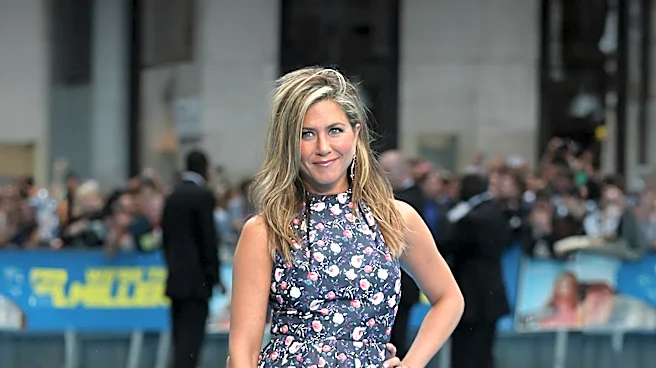
Jennifer Aniston’s own career trajectory perfectly illustrates this industry evolution. After becoming a global icon on "Friends," she spent 15 years focused on film before making a high-profile return to television. But she didn't just return as an actor; she came back as an executive producer on "The Morning Show," wielding creative control and earning a salary of over $1 million per episode. This move reflects a larger trend of top-tier talent taking ownership of their projects. Aniston herself noted that she was drawn back to TV because that's where the quality storytelling was happening, a sentiment echoed by many film actors who have migrated to streaming and premium cable. She has transformed from a beloved sitcom star into a Hollywood powerhouse who can get a major, expensive, and critically acclaimed series greenlit, reinforcing her status as one of the most bankable figures in entertainment.
The New Normal for Star Power
While Aniston is a prime example, she is far from an outlier. The fall television season, once a launchpad for unknown actors, is now heavily populated with established stars. This strategy became even more pronounced following industry disruptions, like strikes, which made networks lean heavily on proven formulas and big names to attract audiences back. Look across the dial (or the streaming dashboard), and you'll see a pattern: major movie stars and beloved TV veterans are headlining limited series, anchoring new dramas, and rebooting familiar franchises. This isn’t a sign that Hollywood has run out of new ideas. Rather, it’s a pragmatic adaptation to a world where star power is one of the few reliable tools for building an audience and securing a return on a massive investment.