






The Trend: Chasing the 'Glass Skin' Glow
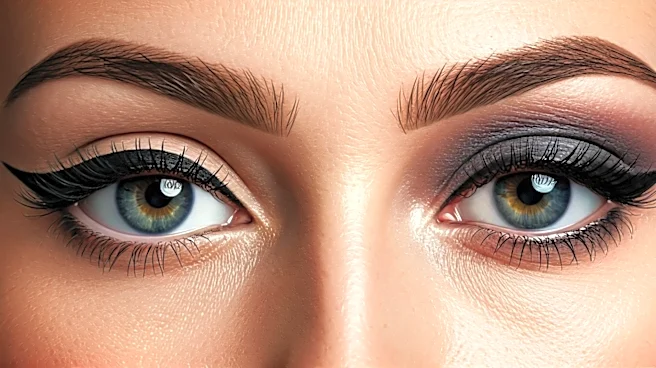
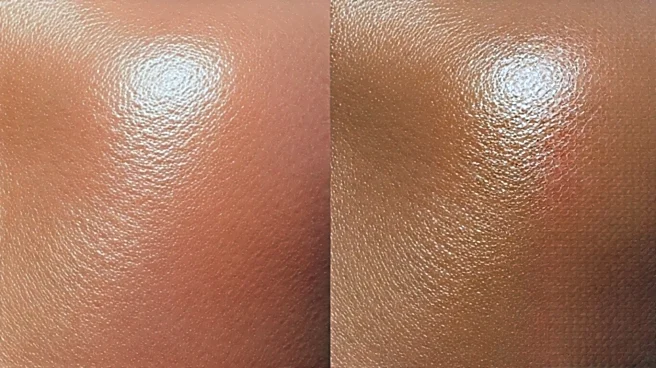
First, let's define the goal. The look everyone is trying to achieve goes by many names: “glass skin,” “dolphin skin,” or simply a “dewy glow.” Popularized by K-beauty trends and embraced by celebrity makeup artists, it’s all about creating skin that looks incredibly hydrated, smooth, and luminous. The finish is meant to be reflective, almost wet-looking in its perfection, as if you’re lit from within by a thousand tiny, flattering light bulbs. On the red carpet, this translates to a complexion that catches the camera flashes beautifully, carving out cheekbones and giving an overall impression of health and youth. It’s a direct move away from the ultra-matte, heavily powdered looks that dominated previous years.
The Mistake: When Dewy Becomes Greasy
Herein lies the problem. In the quest
for ultimate dewiness, the single biggest mistake is crossing the line from strategically shiny to uniformly slick. A true “glass skin” look involves precise placement of light. The glow is concentrated on the high points of the face where light would naturally hit: the tops of the cheekbones, the bridge of the nose, the brow bone, and the cupid's bow. The mistake happens when this shine becomes an all-over affair. When illuminating products are applied too generously or across the entire face—especially in the T-zone (forehead, nose, and chin)—the effect is no longer “lit-from-within.” Instead, it reads as oily, sweaty, or simply greasy. The skin loses its dimension, and the beautiful, reflective quality is lost in a flat, high-shine finish that can look heavy and unflattering, particularly under bright lights or in photos.
Why It Happens: Product Overload and Poor Placement
This beauty blunder isn’t about having oily skin; it’s about technique. It typically stems from two key errors: using the wrong products or applying them in the wrong places. Many people start with an illuminating primer, add a dewy foundation, layer on a liquid or cream highlighter, and then perhaps finish with a shimmery powder or a glow-inducing setting spray. While each product is designed to create radiance, using all of them together without careful balance creates a single-note, high-wattage effect that lacks sophistication. The most common culprit is applying highlighter too low on the cheeks (creeping into the apple), all over the forehead, or on the chin. These areas naturally produce more oil, and adding shine there is the fastest way to look greasy rather than glowy.
The Fix: A Pro Guide to Strategic Shine
Achieving the perfect glow is about creating contrast between the dewy and the satin parts of your face. Think of it as sculpting with light.
1. Prep Smart: Start with well-hydrated, moisturized skin. If you have oily or combination skin, use a mattifying primer just in your T-zone to control oil before you even think about adding glow.
2. Choose Your Base Wisely: Opt for a foundation with a natural or satin finish rather than one that’s overtly dewy. This gives you a controlled canvas to work on.
3. Place Highlighter with Precision: This is the most crucial step. Using a liquid or cream highlighter, apply small dots only to the very top of your cheekbones, blending up towards your temples. Add a tiny amount to the bridge of your nose (not the tip), your brow bone just under the arch of your eyebrow, and your cupid’s bow. Blend with your fingers or a damp sponge until it melts into the skin.
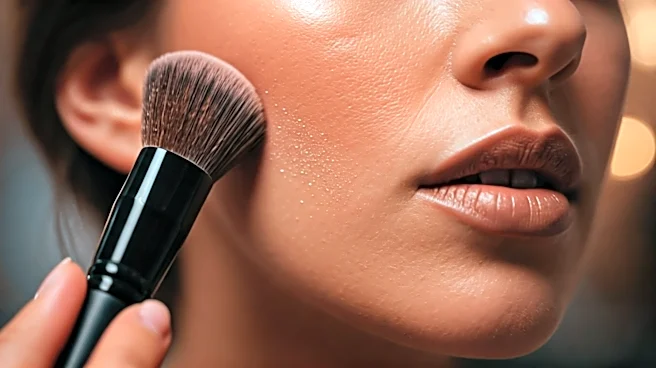
4. Set Strategically: Use a translucent, finely milled setting powder and a small, fluffy brush. Lightly powder only the areas you want to remain matte: the sides of your nose, the center of your forehead, and your chin. Leave the highlighted high points untouched.
5. Finish with a Mist: A hydrating or dewy setting spray can be the perfect final touch to meld all the layers together, but use it sparingly. Hold the bottle at arm's length and give your face a light spritz.