




An Anchor in a Digital Sea
Watch any scene with an actor interacting with a fully CGI character, and you’re witnessing a masterclass in imagination. But even the best performers can struggle against a green screen. When actors have something physical to react to, the performance
deepens.. Look at Amazon’s acclaimed “Fallout” series. The hulking T-60 Power Armor wasn't a digital ghost added in post-production; it was a real, wearable suit crafted by Legacy Effects.. Actors on set saw and felt its presence, grounding their performances in a way a tennis ball on a stick never could.. Similarly, Walton Goggins’ haunting transformation into The Ghoul was achieved through hours in a makeup chair with complex prosthetics, not digital manipulation.. This commitment to the physical gives the actors a tangible world to inhabit, and that authenticity bleeds through the screen.
Closing the Believability Gap
Audiences are savvy. We’ve been inundated with digital effects for decades, and we’ve developed a sixth sense for the artificial. It’s often called “CGI fatigue”—a subconscious rejection of visuals that feel weightless, glossy, or disconnected from the laws of physics.. Practical effects bridge this gap. Our brains are hardwired to recognize how real objects interact with light, shadow, and gravity.. That’s why the Grogu puppet in “The Mandalorian” captured the world’s heart. It wasn’t just cute; it was there. The light hit its vinyl skin, and the actors could physically hold it, giving the character a presence that a purely digital model would struggle to replicate.. Even when a practical effect isn't perfectly seamless, it possesses a charm and believability that often eludes even high-budget CGI, which can fall into the dreaded “uncanny valley.”.
Creativity Forged in Constraint
CGI offers limitless possibility, but that isn't always a good thing. The need to solve problems with physical materials often forces a more inventive and memorable kind of creativity.. It requires filmmakers to commit to a vision on set, rather than punting decisions to post-production with the infamous phrase, “We’ll fix it in post.” This intentionality often results in effects that stand the test of time. Much of the CGI from ten or fifteen years ago looks dated on our modern 4K screens, while the practical creature effects from 1980s classics like “The Thing” or “Aliens” remain utterly terrifying and convincing.. By existing in the real world, practical effects are future-proofed against the rapid march of technology. They don't become obsolete; they become classic.
The Hybrid Future Is Now
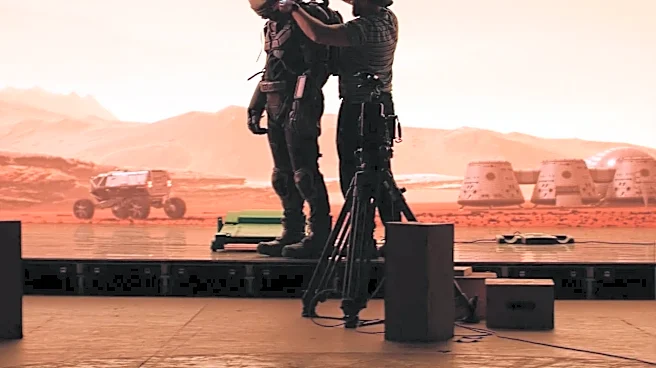
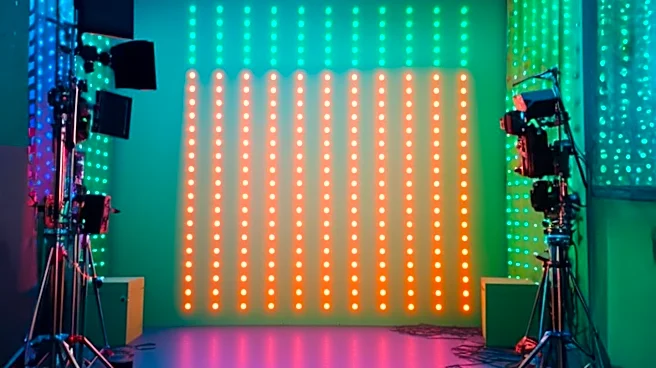
The conversation isn’t truly about practical effects versus CGI. The most successful modern productions use a thoughtful hybrid approach. “The Mandalorian” pioneered the use of The Volume, a massive LED screen that projects digital backgrounds in real-time.. This allows for fantastical settings while still bathing the actors and their practical props—like Beskar armor and puppeteered aliens—in realistic, interactive light.. This is the best of both worlds: digital tools are used to enhance and enable the physical, not replace it entirely. The focus remains on what’s happening in front of the camera. By building the sets, props, and creatures that are most essential to the story and performances, showrunners are creating worlds that feel more immersive, lived-in, and ultimately, more real..