




The External vs. The Internal: Slasher & Psychological
This is the quintessential horror face-off: brute force versus brain games. Slasher films are visceral and straightforward; the threat is a physical, often masked killer with a weapon. The fear comes from suspense, chase scenes, and shocking violence.
Psychological horror, on the other hand, burrows into the mind. It builds dread through atmosphere, unreliable narrators, and unsettling ideas, making you question the characters' sanity—and your own. Pairing them creates a fantastic rhythm. The slasher gives you a cathartic, adrenaline-pumping scare, while the psychological film provides a lingering dread that follows you long after the credits roll. The Pairing: Start with the raw, brutal efficiency of 'The Texas Chain Saw Massacre' (1974). Then, descend into the disorienting madness of 'The Shining' (1980), where the horror is a man's chilling mental collapse.
The Ancient vs. The Unknown: Folk Horror & Cosmic Horror
This pairing explores two different kinds of existential dread. Folk horror finds terror in the earth, in ancient traditions, isolated communities, and pagan rituals that feel older than time itself. The horror comes from being an outsider who discovers that the old ways never really left. Cosmic horror, or Lovecraftian horror, finds its fear in the vast, uncaring universe. The threat is an entity so massive and incomprehensible that its mere existence shatters human sanity. Together, they tap into a primal fear of forces beyond our control. One is rooted in the soil beneath our feet; the other is in the infinite, cold space between the stars. The Pairing: Watch 'The Wicker Man' (1973) to experience the terrifying power of a secluded community's beliefs. Follow it with 'The Color Out of Space' (2019), where a meteorite brings an unknowable, reality-bending horror to a family farm.
The Real vs. The Surreal: Found Footage & Gothic Horror
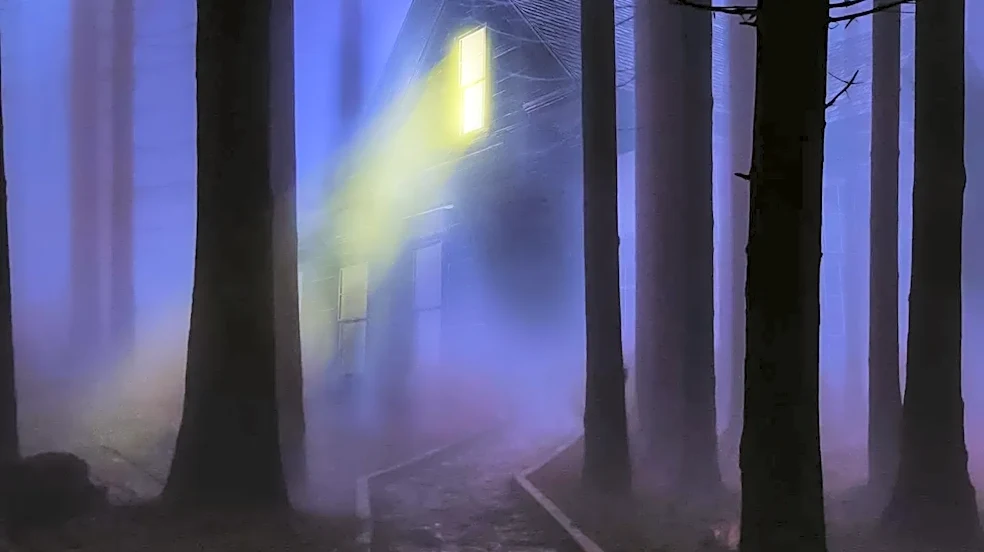
Here, you're playing with aesthetics and atmosphere. Found footage horror derives its power from its perceived reality. Shaky cameras, amateur acting, and a lack of slick production values create an immersive, you-are-there feeling that makes the terror feel intensely personal and immediate. Gothic horror is the opposite. It’s all about atmosphere, melodrama, and grand, decaying locations. Think haunted mansions, swirling fog, and a sense of romantic, tragic doom. It's a carefully constructed, dreamlike style of horror. The contrast is jarring in the best way: one feels like a raw news report, the other like a beautiful, terrifying painting. The Pairing: Start with the raw, disorienting panic of '[REC]' (2007), where a camera crew gets trapped in a quarantined apartment building. Then, lose yourself in the lush, atmospheric dread of 'Bram Stoker's Dracula' (1992).
The Flesh vs. The Spirit: Body Horror & Ghost Stories
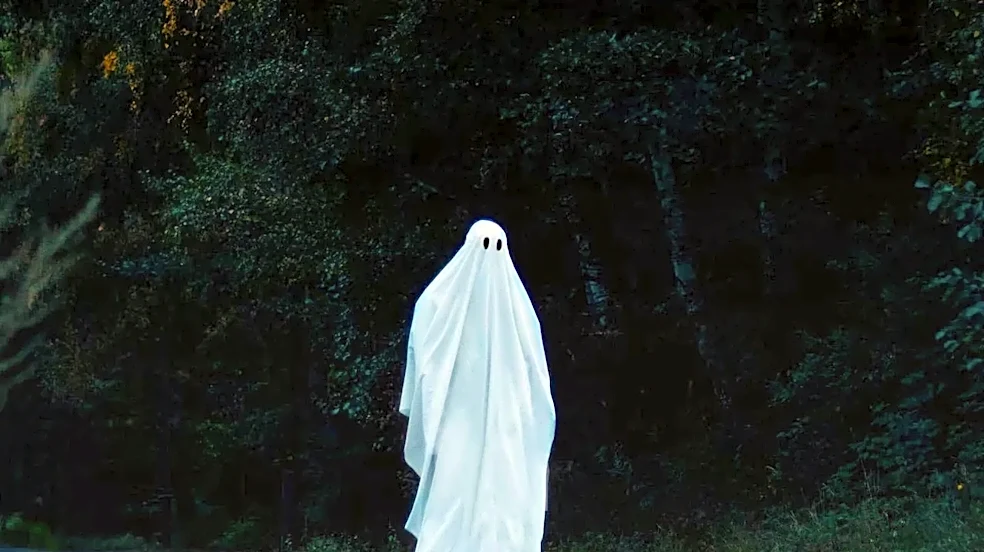
This double feature targets two distinct anxieties: the violation of our bodies and the violation of our homes. Body horror gets under your skin—literally. It focuses on grotesque transformations, mutations, and the horrifying fallibility of our own flesh. The fear is visceral, biological, and often disgusting. A classic ghost story, or supernatural horror, deals with an external, spiritual threat. The terror comes from creaking floorboards, shadowy figures, and the chilling idea that something unseen is sharing your space. Watching them back-to-back is a full-body experience; one makes your skin crawl with the threat of internal corruption, and the other makes you terrified of the space just over your shoulder. The Pairing: Brace yourself for David Cronenberg's masterpiece of practical effects and biological decay, 'The Fly' (1986). Then, turn off the lights for 'The Others' (2001), a masterclass in quiet, atmospheric supernatural dread.