
From Humble Beginnings to a Fandom Hub
Before there was 'cosplay,' there was 'costuming.' The practice of dressing as a character has roots in early 20th-century science fiction conventions, where a few pioneers would show up in homemade 'futuristicostumes.'
When San Diego Comic-Con started in 1970, it was a small gathering for comic book enthusiasts. Costumes weren't initially a major component, but the convention quickly embraced the tradition by establishing a Masquerade ball in 1974. This gave fans a formal stage to showcase their creativity. In these early days, it was a community-driven affair, a far cry from the multi-billion dollar industry geek culture would eventually become. Costumes were crafted from everyday materials, and the reward was simply the appreciation of fellow fans.
The Masquerade and the Rise of Craftsmanship
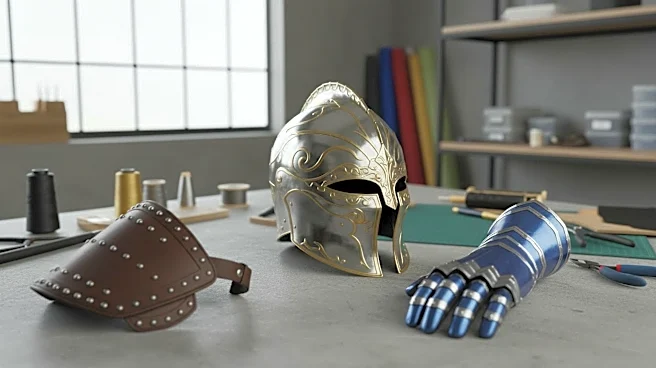
Comic-Con’s Masquerade became more than just a costume contest; it was an incubator for artistry. As the convention grew through the 1980s and '90s, so did the ambition of its costumed attendees. The term 'cosplay,' a blend of 'costume' and 'play,' was coined in Japan in 1984 and gradually entered the American lexicon. The Masquerade provided a competitive and celebratory environment that pushed creators to elevate their skills. They weren't just wearing clothes; they were engineering props, styling complex wigs, and mastering makeup to fully embody characters. This focus on craftsmanship began to legitimize cosplay as a genuine art form, separating it from the simple, store-bought costumes associated with Halloween.
Hollywood's Arrival and the Blockbuster Effect
The late 1990s and 2000s marked a turning point, as Hollywood discovered the power of Comic-Con as a marketing launchpad. Suddenly, the convention wasn't just for comic fans; it was the epicenter of pop culture, where major studios revealed trailers and assembled the casts of upcoming superhero and fantasy blockbusters. This influx of mainstream media attention had a profound effect on cosplay. The characters being celebrated were now global icons from billion-dollar franchises. Dressing as Spider-Man or a character from 'Star Wars' was no longer a niche reference; it was part of a global cultural conversation. As genre entertainment became the dominant force at the box office, the perceived 'nerdiness' of cosplay began to fade.
The Social Media Explosion
If Hollywood brought the global characters, social media gave cosplayers a global stage. The rise of platforms like Instagram, YouTube, and later TikTok, transformed cosplay from a live, in-person experience into a shareable digital art form. Comic-Con became the Super Bowl for cosplayers—the ultimate place to debut a new creation and generate content that could go viral. A well-photographed costume at the convention could lead to tens of thousands of followers overnight. This new visibility created a pathway for top-tier creators to become professional influencers, collaborating with brands and turning their passion into a career. Online tutorials democratized the craft, allowing newcomers to learn advanced techniques that were once the domain of a select few.
Bleeding into the Mainstream
The final step in cosplay’s journey was its integration into everyday culture. The line between convention-specific dressing and general pop culture celebration blurred. Fans began wearing character-inspired outfits to movie premieres, turning a trip to the theater into an event. Halloween costume culture, once dominated by generic ghosts and witches, increasingly shifted toward specific, licensed characters from media. Even high fashion began to draw inspiration from 'geek chic' aesthetics. What started in the halls of the San Diego Convention Center—the idea that it’s fun and powerful to embody a character you love—had become a mainstream sensibility. It proved that dressing up wasn’t just for kids, but a valid form of expression for adults, too.