
The Blueprint on a Human Canvas
The journey to perfect proportion begins not with fabric, but with a person. Stylists and designers rely on fit models, who are selected for their specific, industry-standard body measurements rather than their runway look. These individuals act as live
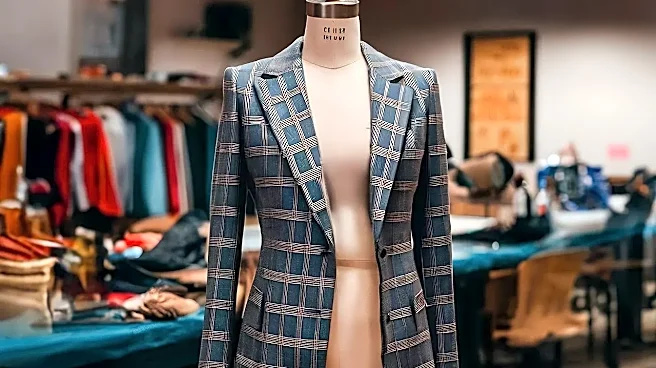
mannequins, allowing the creative team to see how a garment drapes and moves on a real human body. The fit model provides crucial feedback on comfort and movement, helping to identify any issues long before the collection is finalized. This initial stage is foundational; every decision about proportion, from the length of a sleeve to the width of a lapel, is benchmarked against this human canvas. Getting the fit right on this standardized body ensures that the designer's vision will translate consistently across the collection.
The Unforgiving Polaroid Test
In an age of digital everything, one of the most trusted tools in a stylist’s arsenal remains surprisingly analog: the Polaroid. For decades, stylists have used instant photos to get an honest, unedited look at an outfit. A Polaroid flattens a three-dimensional look into a two-dimensional image, instantly revealing imbalances in proportion that the naked eye might miss. It serves as a raw, unfiltered snapshot, showing how a look appears without flattering lighting or digital manipulation. These photos are taken of models wearing simple, form-fitting clothes with little to no makeup to give clients and stylists a clear understanding of their natural shape. This crucial step allows stylists to assess the overall silhouette and make quick adjustments, ensuring the visual harmony of the final look on the catwalk.
From the Squint Test to Digital Tools
Beyond the Polaroid, stylists employ other low-fi but effective methods. One classic technique is the simple “squint test,” where a stylist will squint their eyes to blur the details of an outfit. This trick helps them focus solely on the overall shape and silhouette, revealing the “proportion skeleton” of the look to see if it holds up. This is often paired with an understanding of artistic principles like the Rule of Thirds, where an outfit is visually divided to create more dynamic and aesthetically pleasing lines. Increasingly, these traditional methods are supplemented with modern technology. Stylists now use everything from iPhone photos snapped from multiple angles to sophisticated digital lookbooks and software that can help calculate ideal ratios, blending old-school artistry with new-school precision.
The Final Gauntlet: Motion and Cohesion
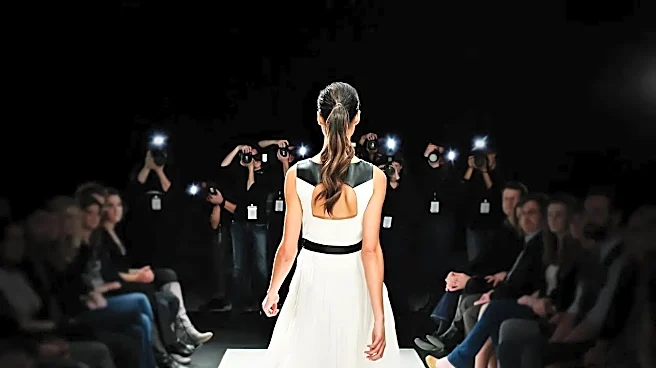
Just before the house lights dim, the final and most frantic tests occur backstage. With models dressed and ready, the lead stylist will walk down the lineup, scrutinizing every single look. This is the last chance to make micro-adjustments—a tucked shirt, a rolled sleeve, a different belt—that can dramatically alter an outfit's proportions. They check how fabrics move as the models walk, ensuring the clothes come alive as intended. Crucially, this is also the first time the stylist sees the entire collection together as a cohesive story. The lineup reveals the rhythm and flow of the show, ensuring that the proportions of one outfit complement the next. In these chaotic final moments, all the prior testing comes together to create the seamless, eight-to-ten-minute spectacle that the audience sees.