


The Generational Fault Line
You’ve seen the arguments online. On one side, you have the “old heads,” guardians of the so-called golden age who champion lyrical complexity, storytelling, and the boom-bap beats that defined the genre's formative years. For them, greatness is measured
in classic albums and respect for the pioneers. On the other side are the younger fans and artists, who grew up on streaming and SoundCloud. They value melodic flows, viral moments, and production that pushes sonic boundaries into trap, drill, and beyond. This isn't just a matter of taste; it’s a fundamental disagreement over what makes hip-hop, hip-hop. An awards show that leans too far in one direction risks alienating the other entirely. A tribute to the '90s feels like a museum piece to a teenager, while a show celebrating today's chart-toppers can feel like a betrayal of the culture's roots to a 40-year-old fan.
What 'Credibility' Even Means Now
The core of the issue is credibility. A few decades ago, “keeping it real” was a central tenet of the genre, often tied to street authenticity and lived experience. That's not to say every rapper was a gangster, but the performance of authenticity was key. Today, the definition has fractured. For the older generation, credibility still hinges on technical skill—bars, flow, and a deep knowledge of the craft. But for many younger listeners, credibility can be earned through different means: building a massive online following, creating a unique aesthetic, or achieving commercial success on their own terms. The career of an artist like Lil Yachty, once dismissed by purists, shows how viral appeal and brand-savvy moves can build a career that eventually earns grudging respect. An honors show has to understand that credibility is no longer a monolith; it's voted on in comment sections as much as it's earned in rap battles.
The Artists Who Bridge the Gap
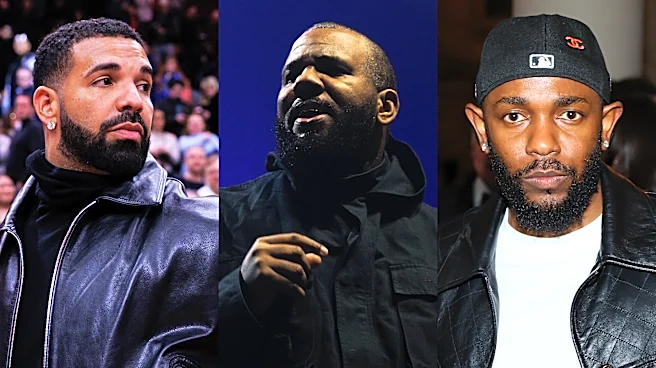
This is where the unifiers come in. A handful of artists have achieved the near-impossible: earning respect from both sides of the aisle. Kendrick Lamar is the quintessential example, an artist revered for his dense, novelistic lyricism while consistently pushing his sound into new territory. J. Cole has built a massive following by blending classic, sample-heavy production with modern sensibilities. Artists like Freddie Gibbs and Pusha T are celebrated by older fans for their gritty, intricate rhymes but collaborate with today’s hottest producers, making them feel current. Even producers are getting in on the act; The Alchemist, a veteran with a classic sound, has become a go-to for a new generation of lyrical rappers like Boldy James and Larry June. These are the figures who can stand on a 'Hip Hop Honors' stage and get a standing ovation from everyone in the room, from Chuck D to a TikTok star.
A Stage for Unity, Not Division
Ultimately, a show dedicated to honoring hip-hop can't survive if it becomes a battleground for the culture wars. Without artists who embody the full spectrum of the genre, the event loses its authority. The original VH1 Hip Hop Honors was valued precisely because it focused on historical significance over fleeting commercial success. To recapture that spirit in today's fragmented landscape, it needs to do more than just celebrate the past; it has to connect it to the present. By putting artists with cross-generational credibility at the center, a show can validate the pioneers while acknowledging the innovators. It can show a young fan why Rakim matters and show an old fan that the genre's future is in capable hands. It becomes a celebration not of one era or style, but of the entire, evolving culture of hip-hop itself.