
The Latin Grammy for Best New Artist is more than a trophy; it’s a forecast. This year, the slate of nominees isn't just a list of new faces—it's a collective memo to record labels that the old rules of discovery
and success are obsolete.
The New Industry Blueprint
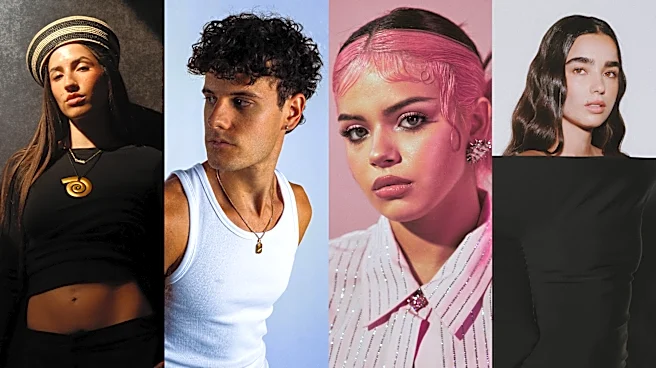
For decades, the path to a Best New Artist nomination was predictable: get signed, get a massive marketing push, and land a radio hit. The 2026 nominees, however, tell a different story. This year's class is dominated by artists who built their careers first and sought partnerships later. Take artists like ARIA VEGA, a Barranquilla native who built a following with viral moments before signing a deal, or the genre-bending Puerto Rican artist RaiNao, who gained prominence through independent releases and a key collaboration with Bad Bunny. Their inclusion signals a power shift. Labels are no longer just gatekeepers; they are increasingly becoming partners for artists who have already cultivated a dedicated audience through platforms like TikTok, SoundCloud, and Bandcamp. The message is clear: the most valuable artists aren't waiting for a deal, they're creating their own leverage.
Genre Fluidity is the New Gold Standard
The era of fitting neatly into one genre box is officially over. The 2026 nominees reflect a broader trend in Latin music where artists are freely blending regional traditions with global sounds like hip-hop, R&B, and electronic music. Consider the rise of 'Reggaeton Mexa' championed by artists like Yeri Mua, or the alternative R&B sounds coming from Puerto Rico. This year's lineup celebrates artists who resist easy categorization. You see it in the experimental edge of Argentine artists and the fusion of Afro-Latin rhythms with contemporary pop. For labels, this means the most exciting opportunities are in the spaces between genres. Investing in artists who are creating new sonic fusions is no longer a risk; it's a necessity for staying relevant in a market where listeners' tastes are increasingly eclectic and global.
The Unstoppable Growth of Latin Music
This industry shift is happening against a backdrop of explosive growth. In the first half of 2026 alone, U.S. Latin recorded music revenues reached over $542 million, an increase of 8.6% year-over-year. This growth outpaces the wider U.S. music market. Streaming accounts for a staggering 96% of that revenue, proving that digital access has obliterated old barriers. This economic boom is not just driven by established superstars. It's fueled by a constant stream of new talent and a listener base that is deeply engaged and willing to pay for music, as evidenced by the 12.4% growth in paid subscriptions. Even physical sales, particularly vinyl, saw a massive 245.8% revenue increase, showing a craving for tangible connections to artists. For labels, the takeaway is that investing in the Latin music space isn't just a diversity play; it's one of the smartest economic decisions in the modern music business.
Authenticity as a Bankable Asset
Perhaps the most important signal from the 2026 Best New Artist nominees is the commercial power of authenticity. The artists who broke through this year did so by building genuine connections with niche communities, both online and off. Their stories aren't manufactured by marketing departments; they are rooted in personal experience, regional pride, and often, social commentary. The Grammy rules themselves have evolved to recognize this, focusing on an artist's 'breakthrough or prominence' rather than rigid sales metrics. A nomination is no longer just about a hit single; it's about cultural impact. Winning, or even just being nominated, can provide a significant career boost, increasing ticket sales and providing leverage for more creative freedom in future projects. Labels that succeed will be those that learn to identify and support these authentic movements from the ground up, rather than trying to create them from the top down.