



The Corset: Built for Structure
Think of the corset as the architectural foundation of the three. Its primary job, historically and today, is to dramatically shape the waist and torso. A true corset is a feat of engineering, constructed from multiple layers of strong fabric with channels
sewn in for rigid boning—traditionally whalebone or steel. This boning, combined with a lacing system at the back, allows the wearer to cinch the garment, significantly reducing the waist and creating a defined hourglass silhouette. Corsets can be overbust, covering the chest, or underbust, starting just below the bustline to focus entirely on the waist. While they’ve evolved from a daily undergarment in centuries past to a modern statement piece, their core identity remains rooted in powerful, structural transformation.
The Bustier: Designed to Boost and Smooth
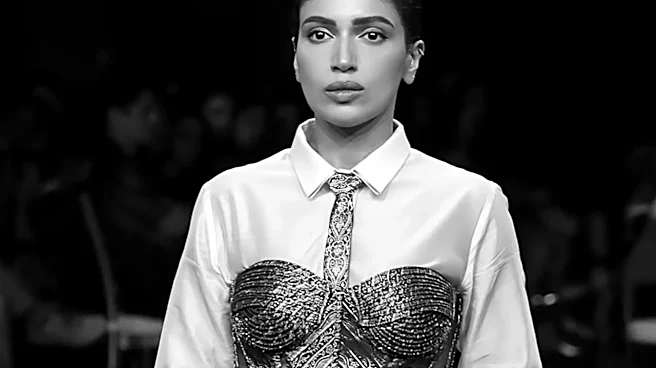
If a corset’s motto is “cinch,” a bustier’s is “boost.” A bustier is a lighter, less restrictive garment focused on lifting the bust and smoothing the midriff. Think of it as a combination of a longline bra and light shapewear. While it may feature some flexible plastic boning for structure, it lacks the rigid steel and heavy-duty lacing of a corset. Its primary support often comes from built-in underwire cups, and it typically fastens with simple hooks and eyes like a bra. Bustiers are generally shorter than corsets, often ending at the waist or high on the hip. This makes them a more comfortable and versatile option, easily worn as lingerie or as a fashionable top on its own.
The Armored Bodice: Fashion Meets Fantasy
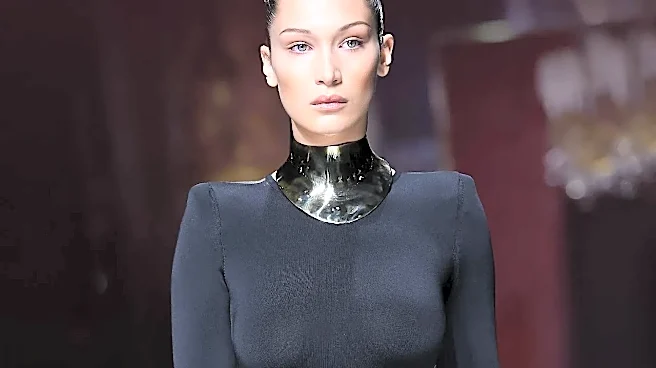
The armored bodice is the most distinct and dramatic of the group, blurring the lines between clothing, costume, and sculpture. It’s less a single defined garment and more a category inspired by historical armor. In the late 19th century, the "cuirass bodice" was named for its armor-like tightness, designed to fit smoothly over the torso and hips. It was heavily boned to create a rigid, sheath-like silhouette without wrinkles. Today, the concept has evolved. Modern armored bodices, seen in haute couture and fantasy epics, are statement pieces made from materials ranging from metal and leather to intricately molded plastics. While they provide a powerful, sculpted shape, their purpose is purely aesthetic—projecting strength and artistry rather than providing actual defense. They are the theatrical cousin in this family of structured tops.
How to Tell Them Apart at a Glance
Still a little blurry? Here’s a simple cheat sheet. Look at the primary function: Is it built to drastically shrink the waist? It’s a corset. Is it designed to lift the bust like a fancy bra top? It’s a bustier. Check the construction: Does it have rigid steel boning and a complex lacing system in the back? That's a corset. Does it have softer boning, built-in cups, and hook-and-eye closures? You're looking at a bustier. Is it made of unconventional, hard materials and looks like it belongs on a warrior queen? That's an armored bodice. The corset is about compression, the bustier is about support and light shaping, and the armored bodice is about pure visual impact.