
What Exactly Is Gua Sha?
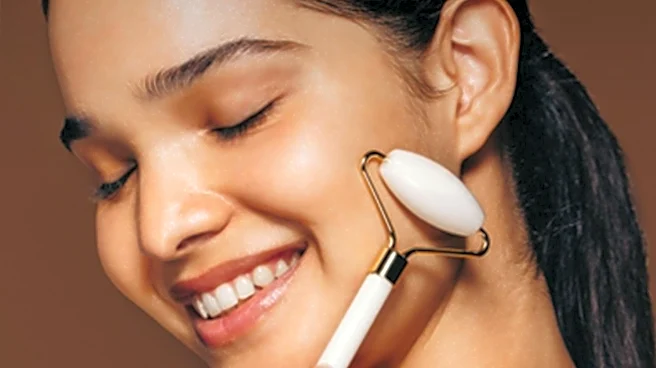
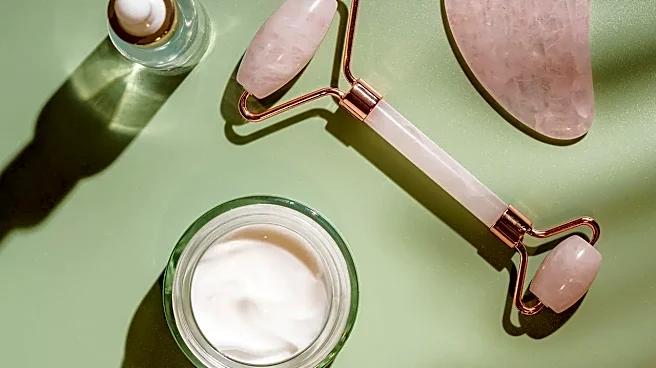
Gua sha (pronounced “gwa-shah”) is a therapeutic practice rooted in traditional Chinese medicine. It involves gliding a smooth-edged tool across the skin to improve circulation and energy flow, known as "qi." While traditionally used on the body with
firm pressure to relieve muscle pain, the modern facial version is a much gentler adaptation. The promise is simple: a few minutes of mindful scraping can lead to a less puffy, more radiant complexion. Its popularity has exploded thanks to its accessibility and the visible, albeit often temporary, 'before and after' results seen online.
The Science: De-Puffing and Blood Flow
The primary benefits of facial gua sha are linked to two main functions: lymphatic drainage and increased blood circulation. The gentle, sweeping motions encourage the movement of lymph fluid, which can reduce the temporary puffiness that comes from fluid retention, especially in the morning. This is what creates that immediate 'sculpted' look. Secondly, the light friction on the skin stimulates microcirculation, boosting blood flow to the area. This can deliver more oxygen and nutrients to the skin cells, resulting in a temporary, healthy-looking glow. However, claims about permanently restructuring your face or erasing deep wrinkles are largely unsupported by serious studies.
Who It Works For: The Ideal Candidate
Gua sha is most beneficial for individuals with specific, non-inflammatory concerns. It's an excellent tool if you have normal, combination, dry, or oily skin without active lesions. It’s particularly effective for those who experience morning puffiness or a dull complexion and want to boost radiance without adding more active ingredients to their routine. The massage technique can also provide significant relief for tension held in the facial muscles, such as the jaw and forehead, which often contract due to stress or clenching during sleep. For these users, a consistent practice 3-5 times a week can yield visible results in just a few weeks.
Red Flags: Who Should Avoid Gua Sha
This is where the "not for everyone" part becomes critical. The friction and pressure of gua sha can be harmful for several skin conditions. If you have active, inflammatory acne (red pimples or cysts), scraping can spread bacteria and worsen the breakout. For those with rosacea, the stimulation can aggravate capillary dilation and trigger a flare-up of redness. Similarly, skin with active eczema or psoriasis has a compromised barrier, and the tool can cause further irritation. You should also avoid it on sunburnt skin, open wounds, or recent scars. People taking blood thinners or with blood clotting disorders should also steer clear, as the practice can more easily cause bruising or burst capillaries (petechiae).
How to Use It Safely (If It's Right for You)
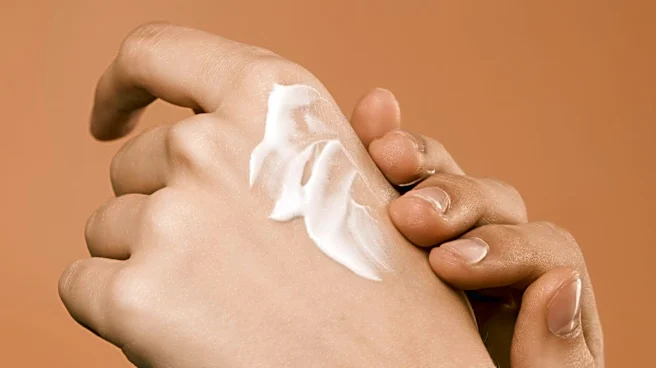
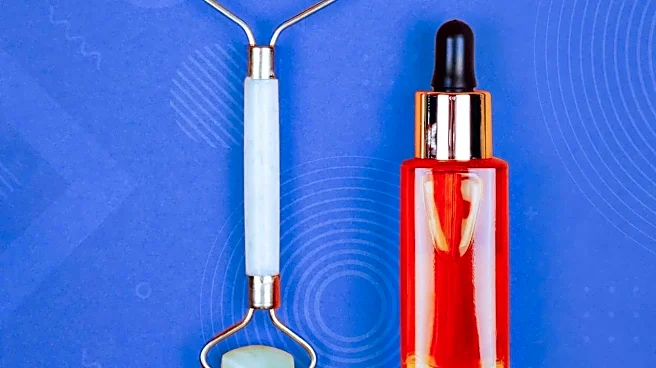
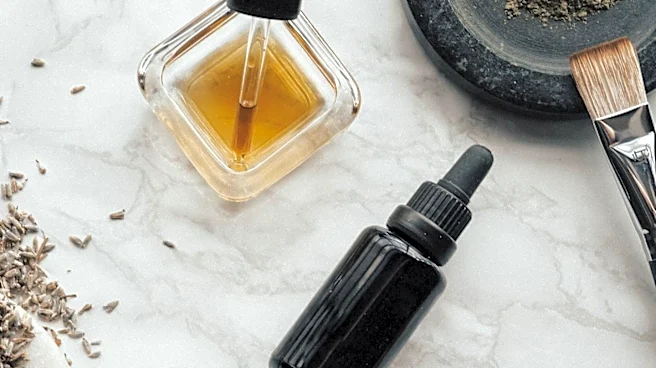
If you've determined your skin is a good candidate, proper technique is key to reaping benefits and avoiding damage. First and foremost, never use a gua sha tool on dry skin. Always apply a facial oil or a slippery serum to provide adequate glide and prevent dragging or irritation. The pressure should be light—enough to feel it, but not enough to cause pain or significant redness. Hold the tool at a low angle, almost flat against the skin (around 15 degrees). Work in upward and outward strokes, moving from the center of your face out towards the hairline, and then down the neck to encourage drainage. And don't forget hygiene: always clean your tool with soap and water after every use to prevent bacterial buildup.