




The Anatomy of a Perfect Machine
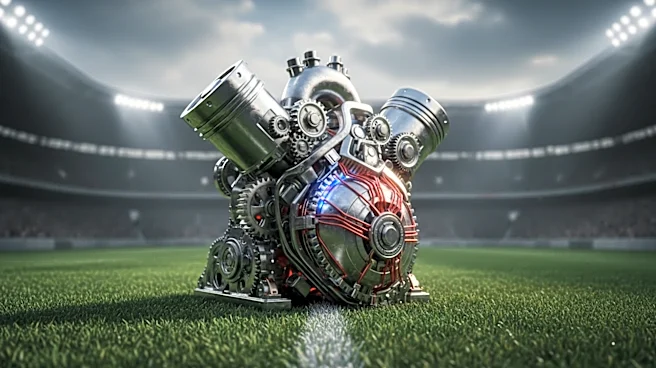
To understand the breakdown, you first have to appreciate the machine's construction. After a dismal Euro 2000, German football undertook a radical, top-to-bottom overhaul of its youth development system. The result, a decade later, was a golden generation
of technically gifted, tactically flexible players: Philipp Lahm, Bastian Schweinsteiger, Mesut Özil, and Thomas Müller. Under manager Joachim Löw, who took the reins in 2006, this group became a force of nature. They reached the final of Euro 2008, and the semifinals of the 2010 World Cup and Euro 2012. Their football was proactive and intelligent. The culmination of this long project was the 2014 World Cup in Brazil. They weren't just champions; they were the definition of a complete team, famously dismantling the host nation 7-1 in a semifinal that still feels like a fever dream. They were, in every sense of the word, a machine built for tournament football.
The Shocking Collapse
The breakdown was as sudden as it was shocking. As defending champions at the 2018 World Cup in Russia, Germany were favorites. But something was wrong. They looked slow and devoid of ideas in an opening loss to Mexico. After a last-gasp win against Sweden, the final nail was hammered in by South Korea, who sent the champions packing with a 2-0 defeat. It was the first time since 1938 that Germany had been eliminated in the first round. The years that followed confirmed the collapse. A round-of-16 exit at Euro 2020 and another disastrous group stage exit at the 2022 World Cup in Qatar solidified the narrative: the machine was well and truly broken. The causes were numerous: tactical stagnation under Löw, a failure to properly integrate new talent, and the difficult transition away from the 2014 heroes.
Alternate History: A German Dynasty
Now, let's entertain the hypothetical. What if the machine had never broken down? Imagine a world where Löw tweaked his formula just enough for Russia in 2018. A refreshed Germany, perhaps with a hungrier Leroy Sané, successfully navigates its group. Confidence builds, and they ride the momentum to a second consecutive World Cup final. A victory would have put them on equal footing with Italy and Brazil as the only nations to win back-to-back titles. A German dynasty would have been cemented, and Löw, instead of leaving under a cloud of disappointment in 2021, would be heralded as a peer to the greatest managers in history.
The Ripple Effect on World Football
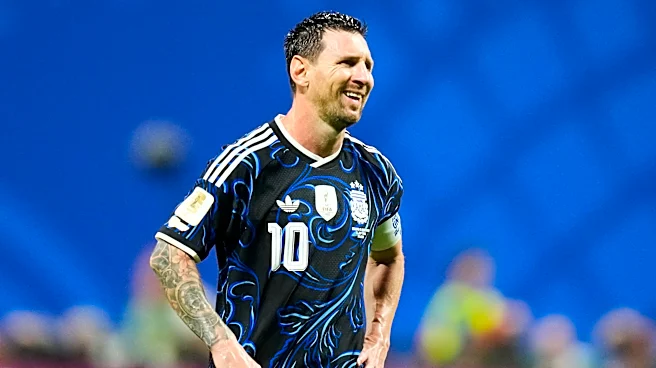
A dominant Germany changes more than just its own history. Would France's Kylian Mbappé have announced his global arrival with such force in 2018 if a clinical German side stood in his way? More profoundly, would Lionel Messi have finally captured his elusive World Cup in 2022? A resilient German machine, retooled after its 2018 triumph, would have been a formidable obstacle in Qatar. Perhaps Messi's perfect fairy-tale ending would have been denied. The tactical landscape of world football might also look different. Germany's continued success would have reinforced its specific brand of possession-based, high-pressing football as the dominant philosophy, potentially stifling the tactical diversity and evolution that emerged in its absence.
A Necessary Breakdown?
Here's the uncomfortable truth for German fans: the breakdown may have been necessary. The years of failure forced a painful but essential period of introspection. The dismissals of both Löw and his successor Hansi Flick were moments of crisis that ultimately led to a complete reset. Under Julian Nagelsmann, a new, vibrant German team has been built around the prodigious talents of Jamal Musiala and Florian Wirtz. They play with a tactical fluidity and attacking joy that feels like a direct response to the rigid predictability of the late Löw era. In our alternate timeline, where the old machine keeps chugging along, does this exciting new generation ever get the chance to fully take control? The breakdown, in a strange way, cleared the path for a much-needed rebirth.