






From Marathon to Sprints
Think of a regular professional club season as a marathon. Over nine months, players navigate league games, domestic cups, and international club competitions. The training is built around endurance, consistency, and maintaining a high level of fitness
without burning out. The goal is to be very good, for a very long time. A summer tournament, however, is a series of all-out sprints. It's a month-long, high-intensity blast where teams play every three or four days. There's no time to build fitness; you arrive with what you have. The entire training philosophy shifts from sustaining performance to peaking for a handful of do-or-die matches. The load management that defines a club season is replaced by a singular focus on explosive performance and rapid recovery.
The Art of the Perfect Peak
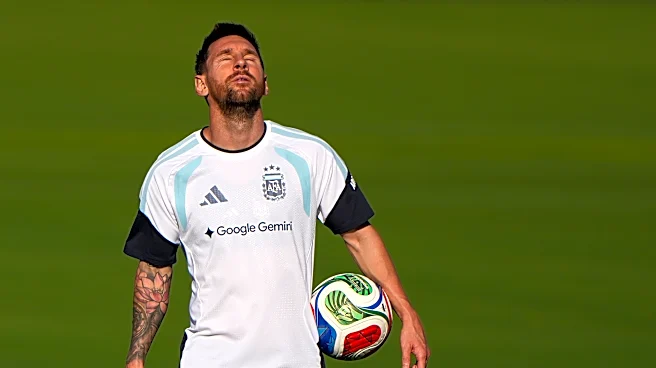
Players often arrive at national team camps exhausted from their demanding club schedules. The pre-tournament training camp isn't like a typical preseason, which is designed to build a base fitness from scratch. Instead, it’s about managing fatigue while sharpening the blade. Sports scientists and coaches use a process called “tapering,” where they strategically reduce the physical load to allow players' bodies to heal, recover, and store energy. The goal is to have them hit their absolute physical and mental peak right as the first game kicks off, not a week before or a week after. This involves carefully calibrated sessions that are short, intense, and tactically focused, ensuring players are fresh, fast, and injury-free when it matters most.
Recovery Becomes the New Training
During a tournament, the most important session is often the one that doesn't happen. With games coming thick and fast, there's simply no time for the grueling fitness drills that underpin a normal training week. The focus shifts dramatically to recovery. Between matches, “training” might consist of a light jog, stretching, and tactical walkthroughs for players who played the full 90 minutes.
Everything else is geared toward getting the body ready to go again. This means ice baths to reduce inflammation, massage therapy to work out muscle tightness, meticulously planned nutrition to replenish energy stores, and a strict emphasis on sleep. For players on the bench, training is harder, as they need to maintain match fitness. But for the starters, the mantra is simple: recover, refuel, and refocus.
Fighting the Elements and the Clock
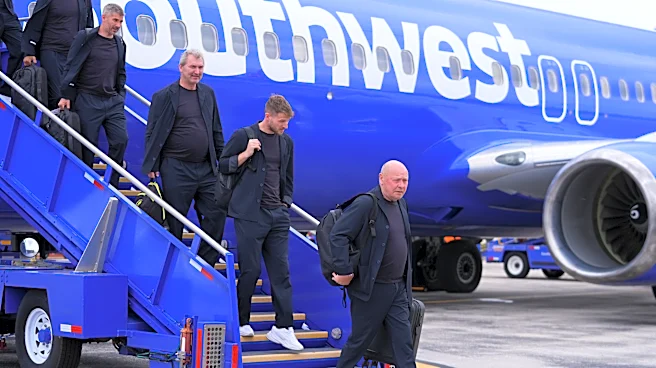
Summer tournaments are often held in challenging climates. Think of the heat and humidity of Brazil in 2014, Qatar in 2022 (moved to winter for this very reason), or the cross-continental travel of the upcoming 2026 World Cup in North America. Teams often arrive weeks early to acclimatize. Training sessions are scheduled at specific times to mimic kickoff conditions, allowing players’ bodies to adapt to heat stress and hydration needs. Similarly, managing jet lag and travel fatigue becomes a scientific exercise. Everything from flight schedules to meal times is controlled to minimize the physical toll and keep the squad’s body clocks as stable as possible.
Training for Penalties and Pressure
You can't replicate the pressure of a World Cup penalty shootout in training, but you can prepare for it. As tournaments enter the knockout stages, teams increasingly dedicate time to practicing spot-kicks. This is as much a psychological exercise as a technical one. Players practice their individual routines to build muscle memory under fatigue. Coaches gather data on opposing goalkeepers and shooters. Beyond penalties, the entire mental framework of a tournament is different. Team cohesion needs to be built in days, not months. Psychologists are integral, helping players manage the immense public expectation and the unique, unforgiving pressure of representing their nation on the world’s biggest stage.