



The Accessory Making a Comeback
While London Fashion Week delivers a whirlwind of new silhouettes and avant-garde concepts, sometimes the biggest takeaway is something surprisingly familiar. This season, the accessory that dominated runways wasn't a futuristic piece of tech or an obscure
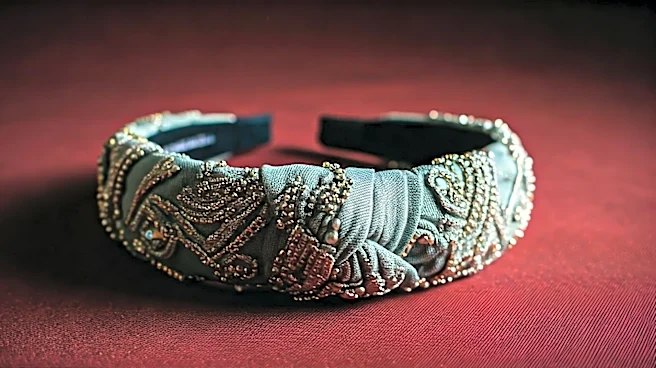
new handbag shape; it was the humble headband, reimagined. Specifically, the structured, often padded or embellished 'Alice band' made a powerful return. From oversized velvet crowns to pearly, intricate designs, this accessory was the unifying thread across countless shows, proving that the most impactful statements can be made right on top of your head. It’s a deliberate, polished way to add personality to an outfit with a single, decisive gesture.
From Tudor Queens to Gossip Girl
This revival isn't happening in a vacuum. The headband has one of the richest histories of any accessory. Its lineage traces back centuries, seen in portraits of Tudor royalty as a sign of status. It found a different kind of power in the 1960s with the mod movement, and again in the 1980s, when padded velvet versions became a preppy staple. But for many millennials, the headband is inextricably linked with Blair Waldorf of 'Gossip Girl.' Her endless collection, worn like a diadem on the steps of the Met, cemented the accessory as a symbol of queen-bee authority and immaculate polish in the early 2000s. Its return now feels like a knowing nod to these past eras, blending nostalgia with a modern desire for easy elegance.
Spotted on the London Runways
The trend wasn't a subtle suggestion; it was a headline act. At Simone Rocha, a designer celebrated for her romantic and historical influences, headbands were intricate and jeweled, almost like modern-day tiaras paired with ethereal dresses. Molly Goddard, known for her voluminous tulle creations, used simpler, more sculptural bands to ground her playful designs, adding a touch of sophisticated structure. The styling was just as important as the accessory itself. We saw them on models with slicked-back hair for a clean, graphic look, as well as nestled into soft, messy updos to create a feeling of undone glamour. The message was clear: the headband is not an afterthought but a foundational piece of the entire look.
Why Now? The Psychology of the Headband
So, why the resurgence? In a world of complicated 'cores' and fast-fashion cycles, the headband offers a refreshing directness. It's a one-step solution to looking put-together. It instantly elevates a simple jeans-and-tee combo or adds the finishing touch to a formal dress. There’s a psychological comfort to it as well. It frames the face, keeps hair neatly in place, and acts as a sort of stylish armor. In an age where 'quiet luxury' and 'dopamine dressing' coexist, the headband bridges the gap. A simple black padded band can feel understated and chic, while a brightly colored or embellished one provides a jolt of joy. It’s practical, expressive, and requires no complex styling manual.
How to Wear It Without Looking Costume-y
Bringing a runway trend into your daily life can be intimidating, but the headband is famously user-friendly. The key is balance. If you're opting for a large, embellished, or brightly colored headband, keep the rest of your outfit relatively simple. Let the accessory be the focal point. For a more subtle take, try a classic padded velvet or satin band in a neutral color like black, navy, or burgundy; it’s a chic and professional way to manage your hair for the office. Don't overthink the placement—let it sit about an inch back from your hairline for the most natural look. Whether you’re using it to tame second-day hair or to add flair to a fresh blowout, wear it with confidence. It’s less about perfection and more about personal style.