



Before Chanel: The Burden of the Beach
It’s difficult to imagine now, but before the 1910s, a trip to the seaside for the wealthy was anything but relaxing—at least sartorially. Women were still bound by the rigid etiquette of the Belle Époque. Beachwear involved cumbersome bathing costumes,
multiple layers, and even corsets. The very idea of comfortable, practical clothing for leisure was a non-starter. The beach was a place to be seen, not a place to be at ease. Fashion was a cage, and the seaside was just another room in the house. This was the world Gabrielle “Coco” Chanel was about to shatter.
The Deauville Disruption
In 1913, Chanel opened a boutique in the fashionable French seaside town of Deauville. She was not designing for fantasy but for reality. She observed the world around her: the local fishermen in their striped shirts, the stable hands in their comfortable trousers, the very fabric of workwear. At the same time, she saw wealthy women struggling with their impractical attire. Her solution was a stroke of genius born from observation. She began creating clothing that borrowed from the male wardrobe and working-class functionality, liberating women’s bodies with fluid, simple silhouettes. This wasn’t just a new style; it was a new philosophy for living. She was selling not just clothes, but freedom.
The Holy Trinity: Jersey, Trousers, and Stripes
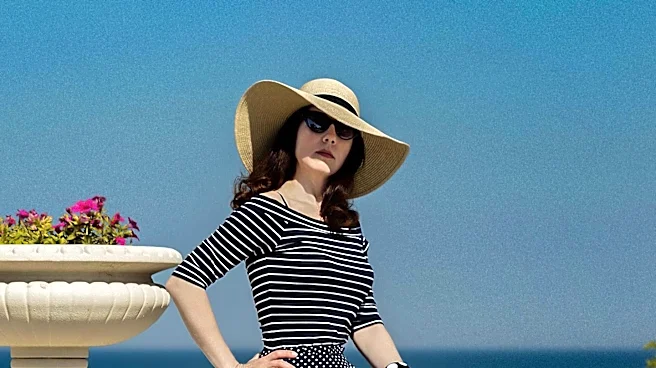
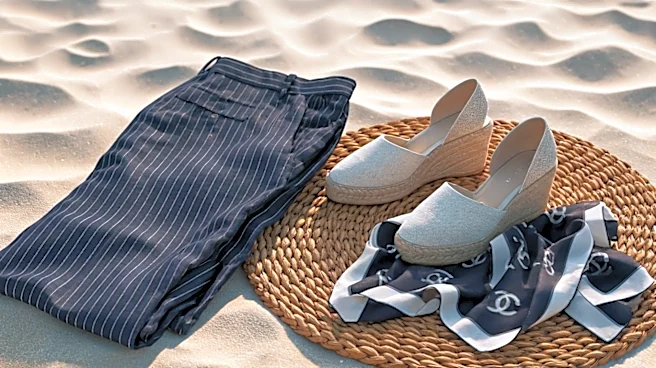
Chanel’s revolution was built on a few key elements that now form the bedrock of resort dressing. First was jersey, a soft, machine-knitted fabric previously reserved for men’s underwear. Chanel bought it in bulk and fashioned it into simple, chic dresses and cardigans that draped and moved with the body. It was comfortable, inexpensive, and scandalous—and women loved it. Next, she championed trousers. Seeing women on yachts and beaches inhibited by their skirts, she adapted the wide-leg trousers of sailors, offering an unprecedented level of comfort and mobility. Finally, she co-opted the *marinière*, the Breton-striped shirt of the French navy. By elevating this humble work garment into the realm of high fashion, she created an instant symbol of chic, nautical leisure. Jersey for comfort, trousers for freedom, stripes for style—the code was set.
From Revolution to Uniform
This is where the haunting begins. What was once a radical act of defiance has, over a century, calcified into a uniform. Today, virtually every luxury brand’s “Cruise” or “Resort” collection is, in essence, a conversation with Chanel’s ghost. Look at the offerings from Ralph Lauren, Dior, Michael Kors, or Brunello Cucinelli: you will find the same palette of navy, white, and beige. You will see the wide-leg linen pants, the cashmere striped sweaters, the effortless cardigans. The specific cuts and price points may change, but the foundational DNA remains stubbornly, almost eerily, the same. Chanel’s vision was so powerful and so complete that it created a creative straitjacket. To design luxury beachwear is to, in some way, pay tribute to or argue with Coco Chanel. Her ideas are no longer just ideas; they are the very definition of the category. This is the haunting: a legacy so profound it risks becoming a limitation, a beautiful ghost that patrols the corridors of every seaside boutique, ensuring nothing strays too far from the original script.