







The Agent of Chaos
In sports, a 'spoiler' is a team that has been eliminated from championship contention but still has games left to play against teams that are fighting for a playoff spot or a title. Their job, technically, is to win. But their narrative function is far
more dramatic: they exist to upend the established storyline. They don't win a trophy for their efforts, but they can ensure someone else doesn't, either. This role transforms them from a simple competitor into a vessel of pure chaos. For fans of the contending team, the spoiler isn't just another opponent on the schedule; they are a direct threat to their hopes and dreams, an obstacle that has no business being so difficult.
Destroying the Perfect Story
There's no greater sin in sports than ruining a perfect story, and no team is a more famous spoiler than the 2007 New York Giants. The New England Patriots were on the cusp of immortality, having completed a perfect 16-0 regular season and cruising to Super Bowl XLII. Their opponent was the Giants, a Wild Card team they had already beaten. The Patriots' perfect 19-0 season was seen as a formality. But the Giants didn't follow the script. In one of the greatest upsets in sports history, they defeated the Patriots 17-14, ending the quest for perfection just minutes from the finish line. The Giants became villains to Patriots fans not just for winning, but for destroying a historic narrative. The closer a team gets to a mythical achievement, the more villainous the spoiler who stops them appears. They aren't just winning a game; they're tearing a page out of the history books.
When It's Personal: The Rivalry Effect
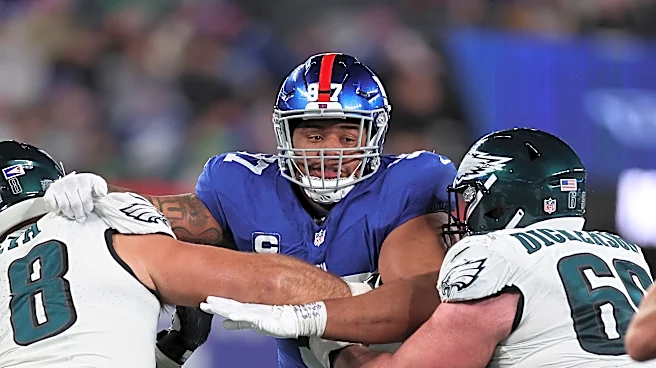
The villainy of the spoiler is magnified tenfold when a bitter rivalry is involved. When a team is out of the playoff hunt, the next best thing to their own success is their rival's failure. A late-season matchup against an arch-nemesis fighting for its playoff life becomes that team's Super Bowl. For fans, seeing their eliminated team dash the hopes of a hated opponent is a victory in itself, a season-salvaging moment of pure schadenfreude. These games are played with a unique level of intensity, as bragging rights and the ability to inflict misery are on the line. Players and fans alike show up with playoff-level energy, even if their own season is a lost cause, because the rivalry itself makes the game matter immensely.
More Than Just Pride
While fans and media cast them as gleeful dream-crushers, the motivation for a spoiler team runs deeper than just playing for pride. For many players on non-contending teams, these final games are auditions. They are playing for their next contract, whether with their current team or another. A strong performance against a playoff-bound opponent can secure a player's career for another year. Young players are trying to prove they belong, and veterans are trying to show they still have what it takes. Coaches are often fighting for their jobs, and a strong finish to a disappointing season can build momentum and positive culture heading into the next year. They aren't there to be a footnote in someone else's story; they are professionals trying to secure their own future.