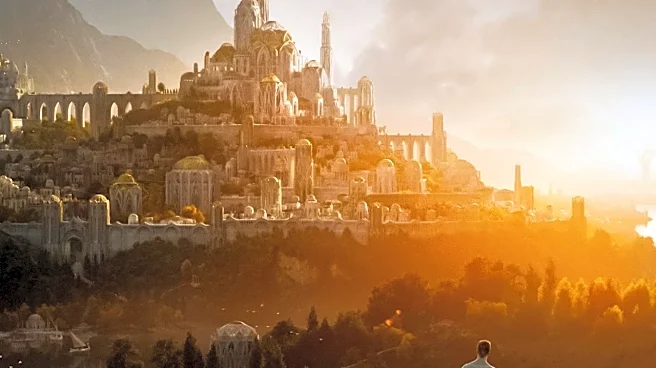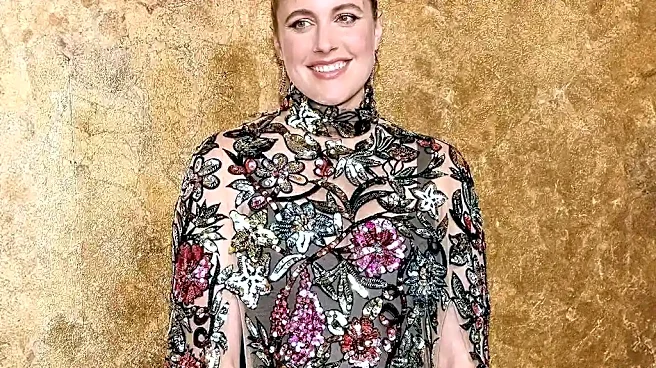

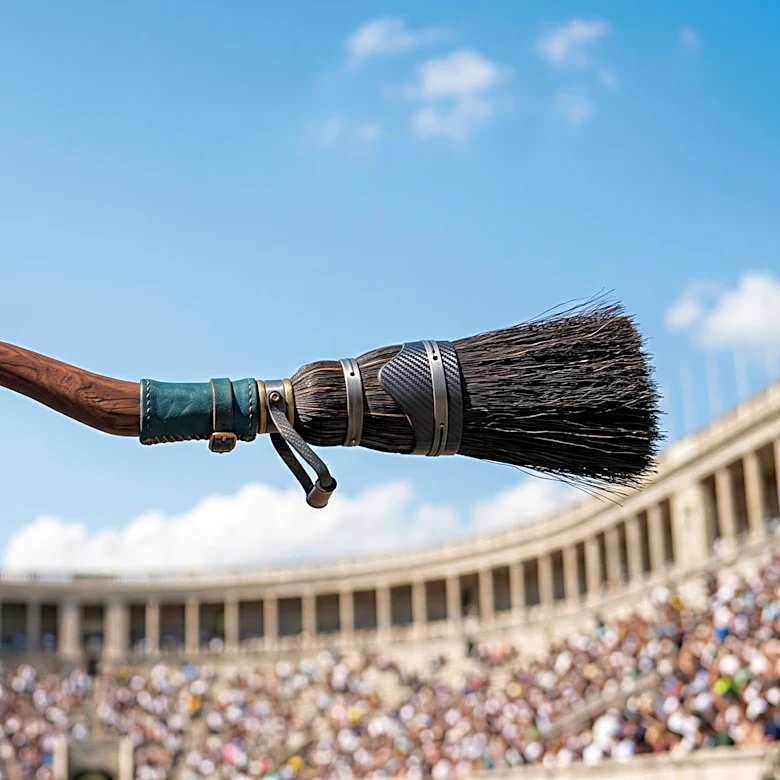

Before Greta Gerwig can welcome audiences back to Narnia, she must solve a 70-year-old problem that has divided fans for generations: where, exactly, does the story even begin? Her choice reopens one of literature's most beloved debates.
The Wardrobe-First Approach
For millions of
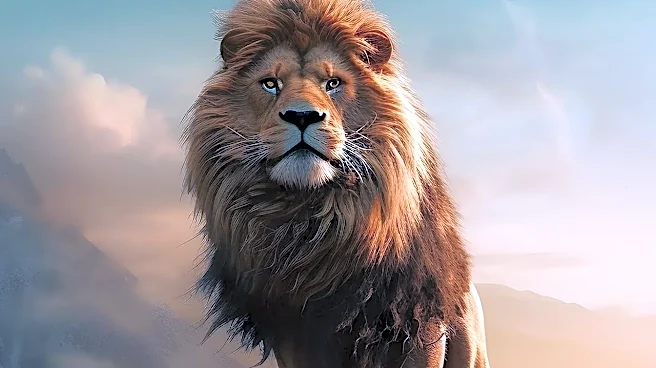
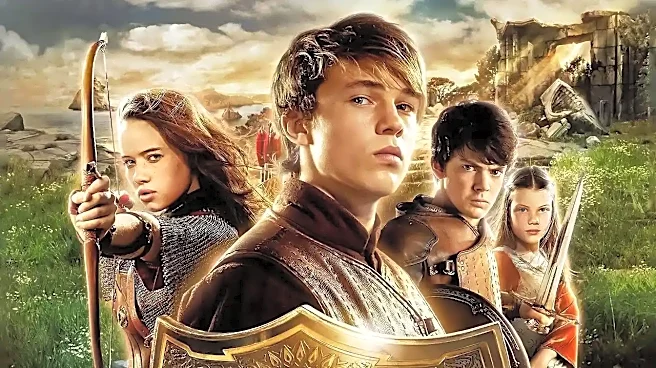
readers, the only conceivable entry point to Narnia is through a dusty wardrobe in the English countryside. C.S. Lewis published 'The Lion, the Witch and the Wardrobe' in 1950, making it the world’s first introduction to the Pevensie children, the lamppost in the wood, and the majestic lion, Aslan. Proponents of this 'publication order' argue it’s the definitive experience. You discover Narnia with the same sense of wonder and confusion as Lucy Pevensie. The origins of the professor, the wardrobe, and the White Witch are mysteries that are slowly unveiled over several books, creating a sense of narrative discovery. It treats Narnia not as a timeline to be studied, but as a world to be stumbled into. This was the path of the successful 2005 Disney film, which started with the story that made Narnia a global phenomenon.
The Creation-Story Method
Then there’s the chronological case. In 1955, five years after the first book, Lewis published 'The Magician's Nephew', a prequel that details the creation of Narnia, the origins of the White Witch, and how a magical wardrobe came to exist in the first place. Reading this book first puts the entire saga in historical order. You witness Aslan sing the world into existence before you ever meet the children who will one day become its kings and queens. Since 1994, publisher HarperCollins has numbered the books chronologically, meaning most box sets today list 'The Magician’s Nephew' as Book 1. Lewis himself, in a 1957 letter to a fan, admitted he leaned toward the chronological order, giving this method a stamp of authorial approval, even if he added that it probably didn't matter much.
Gerwig's Decisive First Move
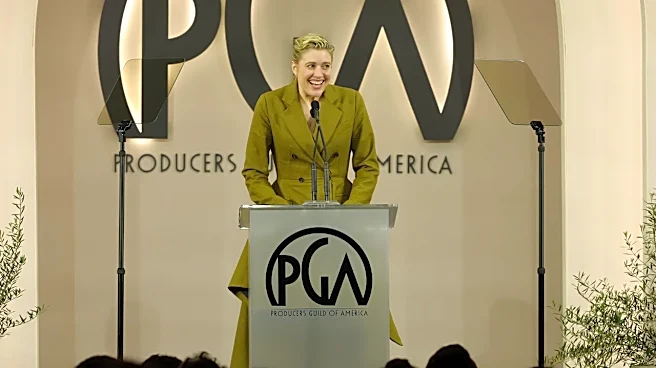
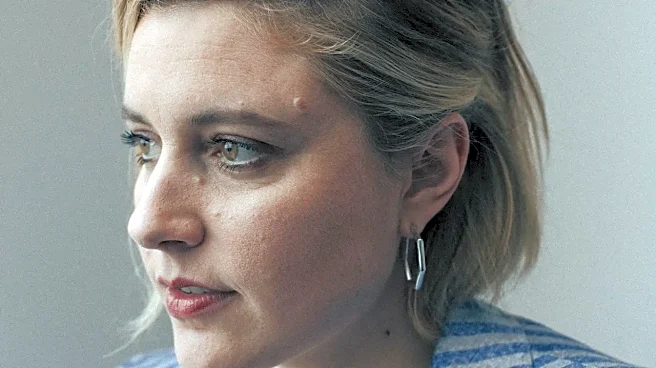
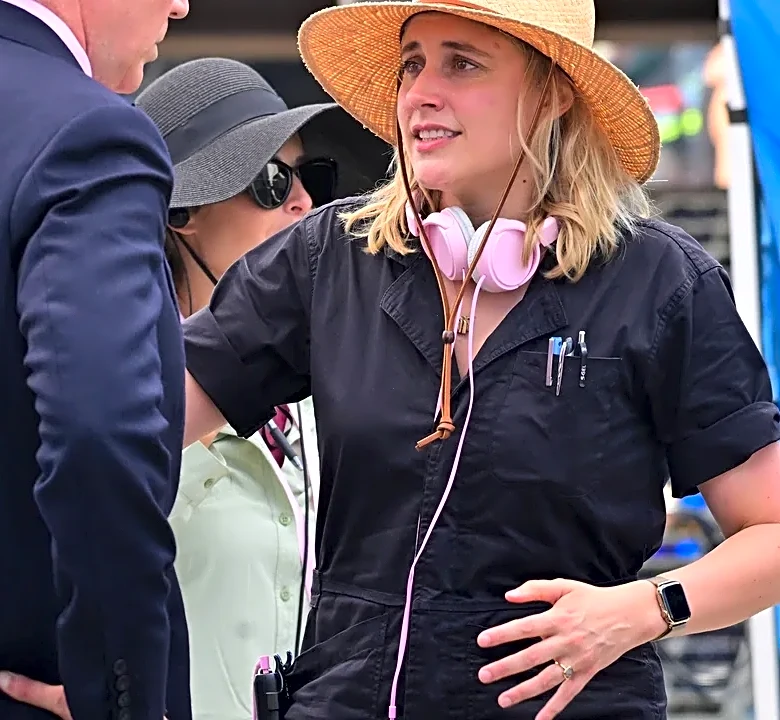
The debate is no longer theoretical. Greta Gerwig, the acclaimed director behind 'Barbie' and 'Little Women', is helming a new series of Narnia adaptations for Netflix, and by all accounts, her first film will be 'The Magician's Nephew'. This choice effectively settles the debate for a new generation of moviegoers. Her Narnia saga will begin not with a war-era evacuation, but with a magical, world-building origin story set decades earlier. This is a bolder, riskier choice than following Disney’s proven path. 'The Magician's Nephew' is more overtly fantastical and less grounded than 'The Lion, the Witch and the Wardrobe'. Gerwig, who has spoken of her deep reverence for Lewis’s work, is choosing to start with Narnia's 'Book of Genesis', trusting audiences to follow her into a story of creation before the more familiar tale of salvation.
What's at Stake?
Starting with 'The Magician's Nephew' fundamentally changes the viewing experience. The mystery of the lamppost and the wardrobe is gone, replaced by a deep backstory. The first appearance of Aslan will be as a creator, not a savior. And Professor Kirke, an enigmatic old man in 'The Lion, the Witch and the Wardrobe', will be introduced as the young boy who witnessed Narnia’s birth. Gerwig's decision means her Narnia will feel different from the start—more epic in scope, perhaps, but less intimate in its introduction. Some fans have already expressed concern over rumored changes, from a shifting timeline to a 'rock opera' feel, but Gerwig has maintained she wants to honor the source material. Her choice of a starting point is the first, and biggest, sign of what her vision for the beloved series truly is.