






The Unsung Hero of Airflow
It’s called spacer mesh, though you might also hear it referred to as 3D mesh or sandwich fabric. At its core, it’s a textile marvel. Imagine two separate layers of fabric connected by a middle layer of fine, springy yarns. These internal yarns, or microfilaments,
act like tiny pillars, holding the outer layers apart and creating a space—hence the name. This three-dimensional construction is the key to its magic. It essentially builds a pocket of air directly into the fabric, allowing for incredible breathability and moisture-wicking properties that traditional flat textiles can't match. Unlike foam, which can trap heat and degrade over time, spacer mesh provides cushioning while actively promoting airflow, keeping things cool, dry, and comfortable.
An Office Chair Revolution
Perhaps the most famous application of this technology is in the world of high-end office furniture. When the Herman Miller Aeron chair debuted, it wasn't just its sculptural form that turned heads; it was the radical absence of foam padding. Instead, it used a specialized tensioned mesh called Pellicle, a pioneering form of spacer fabric. This was a game-changer. For the first time, a chair could perfectly conform to the sitter's body, distribute weight evenly, and, most importantly, let air circulate freely. It solved the age-old problem of getting hot and sticky during a long workday. The Aeron proved that ergonomic support and breathability could coexist, setting a new standard for what a chair could be and cementing spacer mesh’s reputation as a high-performance material.
From Your Feet to Your Car
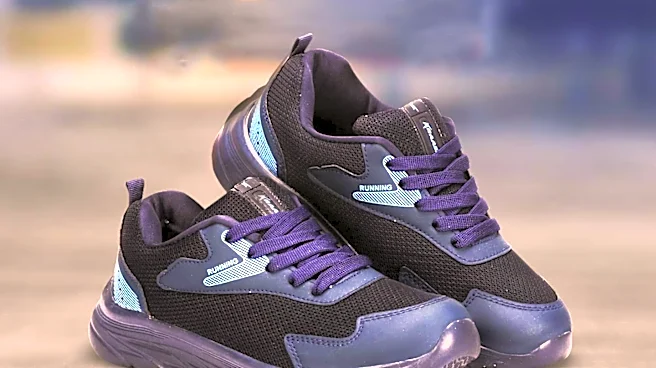
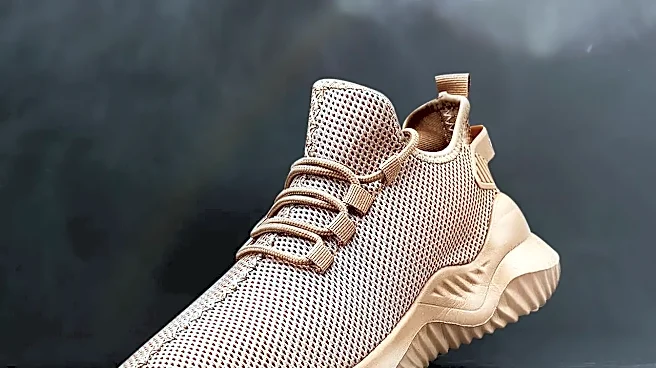
Once designers grasped its potential, spacer mesh started appearing everywhere. Take a look at modern athletic shoes; the uppers are often made from spacer mesh to provide a lightweight, breathable, and sock-like fit. The straps and back panels of premium backpacks use it to create a ventilation channel, preventing that uncomfortable buildup of heat and sweat on a hike or commute. But its applications extend far beyond personal gear. The automotive industry uses it in car seats for enhanced comfort and thermal regulation on long drives. You'll also find it in medical braces, where its ability to provide cushioned support without trapping moisture against the skin is critical. This versatility is a testament to the fabric's unique combination of softness, structure, and airflow.
The Designer's Secret Weapon
What makes spacer mesh so valuable for creating “sculptural” pieces is its ability to hold a three-dimensional shape while remaining pliable and lightweight. Unlike traditional upholstery, which requires bulky foam, framing, and heavy fabrics to create volume, spacer mesh has inherent structure. This allows designers to achieve soft, rounded, and futuristic forms that would be difficult or heavy to produce otherwise. It can be molded into complex curves for a chair back, create the supportive shell of a sneaker, or form the padded exterior of a statement sofa. This gives designers the freedom to prioritize bold aesthetics without sacrificing the functional demands of comfort and breathability, blending form and function in a way that feels distinctly modern.