








1. Pinpoint Your Exact Use Case
Before you get distracted by hardware specs, define the problem you’re solving. Smart glasses are not a one-size-fits-all solution; their value is unlocked by targeting specific pain points. Are you in manufacturing and need to reduce assembly errors
with augmented reality (AR) work instructions? Or are you in field services, looking to cut down on expert travel costs with “see-what-I-see” remote assistance? Use cases in logistics, healthcare, and construction are now well-established, with companies deploying glasses for hands-free workflow optimization and real-time data visualization. Start by identifying a measurable goal, like reducing error rates by 30% or accelerating training time. A clear objective will guide every other decision on this list.
2. Differentiate Enterprise from Consumer Hardware
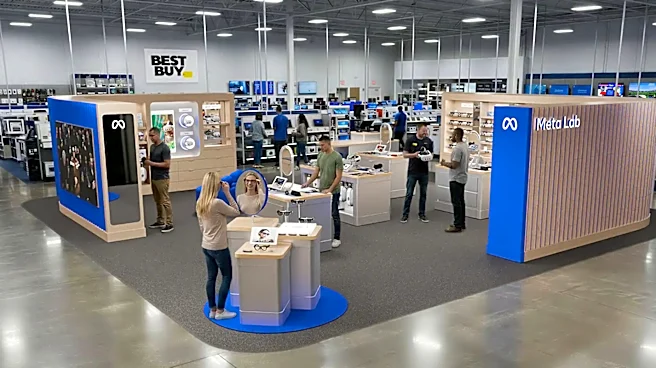
The consumer smart glasses market, dominated by brands like Meta, is focused on social media, AI assistants, and lifestyle convenience. These devices are not built for business. Enterprise-grade smart glasses from companies like Vuzix or Rokid are designed for durability, security, and specific work environments. Key differentiators include ruggedized construction for harsh conditions, compatibility with personal protective equipment like hard hats, and swappable batteries for full-shift operation. Consumer glasses prioritize style, while enterprise models prioritize function and safety. Choosing a consumer device for an industrial setting is a common but flawed cost-saving measure that often ignores the real-world demands of the job.
3. Plan for Software and System Integration
The hardware is only half the equation. The real power comes from integrating the glasses into your existing enterprise systems. Modern smart glasses can connect directly to platforms like Teams, Zoom, or your company's SAP and Salesforce instances. This allows for seamless data capture and communication. Your checklist must include a software strategy: will you use off-the-shelf applications or develop custom solutions? Many platforms offer software development kits (SDKs) to build apps tailored to your workflow. The goal is a familiar process for employees. For example, a technician shouldn't have to stop their work to use a clunky, separate app; the tool should feel like a natural extension of their current process.
4. Tackle Security and Privacy Head-On
Privacy is the single biggest hurdle to smart glass adoption. Unlike a smartphone, smart glasses can record video and audio discreetly, creating significant risks around confidential information, trade secrets, and employee privacy. Your policy must be crystal clear. Many businesses are restricting the use of recording-capable wearables in sensitive areas. Furthermore, you need to consider data security. When a device connects to third-party AI platforms, sensitive company data might be processed or stored outside of your control. Your adoption plan must include a Mobile Device Management (MDM) strategy to provision, manage, and remotely wipe devices if necessary, ensuring your data remains secure.
5. Prioritize User Training and Adoption
The most advanced technology is useless if your team won't wear it. User pushback often stems from comfort issues, privacy concerns, or a lack of clear benefits. A successful rollout requires a focus on the user experience. Start with a small, focused pilot program of 10-20 devices within a single team. Provide comprehensive training that goes beyond the basics to explain the why—how the glasses will make their job easier or safer. Then, listen to feedback. Adjustments to brightness, caption size, and voice controls can make a significant difference in usability. Frame the initiative around augmenting your workers' abilities, not monitoring them.
6. Define and Measure Your Return on Investment (ROI)
Enterprise adoption of smart glasses is driven by measurable ROI, not novelty. Your initial use case definition should include key performance indicators (KPIs) to track success. Common metrics include reduced error rates, faster task completion times, lower travel costs, and improved first-time fix rates in field service. For example, some organizations have seen a 40-60% reduction in truck rolls by using remote AR assistance. A full ROI analysis involves calculating the total cost of ownership—including hardware, software, and training—and weighing it against these quantifiable productivity gains. Without a clear framework for measuring success, a promising pilot can easily be dismissed as a failed science project.