





A recent technical glitch at OpenAI has inadvertently pulled back the curtain on the complex economics of artificial intelligence, forcing users to confront the true cost of high-octane model performance.
The Black Friday Glitch
Earlier this month, OpenAI experienced what could
be described as a digital Black Friday accident. A billing error resulted in an unintentional discount for two of its most prominent models: GPT-6.2 Astra, the heavy hitter designed for complex reasoning, and Sol, the more efficient workhorse for daily tasks. While it might sound like a win for consumers, the correction of this error has created a sudden reality check for power users. Now that the pricing has been normalized, users are finding that they hit their usage caps significantly faster—roughly 40 percent faster for Astra and 25 percent faster for Sol—when performing the exact same tasks they could do just days ago.
The Rise and Fall of Tokenmaxxing
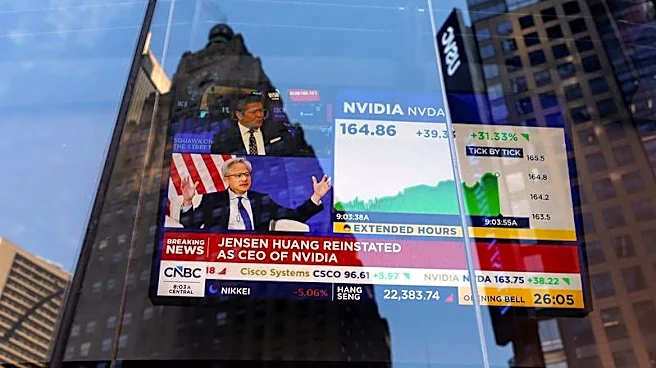
This pricing correction arrives at a pivotal moment in the AI industry. For much of 2026, the prevailing wisdom in Silicon Valley was a concept known as tokenmaxxing. This was the practice of maximizing token consumption—essentially pushing AI models to their absolute limits—as a proxy for productivity and ambition. Industry titans like Sam Altman and Jensen Huang championed this aggressive approach, suggesting that high token spend was a sign of a high-performing, high-value workforce. Meta even leaned into the culture, running internal competitions to see who could burn through the most tokens. However, the honeymoon phase is ending. Companies are beginning to realize that burning through tokens doesn't always equate to burning through meaningful work, and the massive bills are starting to outpace the actual productivity gains.
The Search for Real ROI
As the novelty of massive AI spend wears off, a more disciplined era of AI implementation is taking hold. Executives are moving away from the 'burn it all' mentality and toward a more surgical approach. This shift is driven by the realization that token costs for some enterprise clients have been doubling nearly every other month. To combat this, businesses are turning to model routing. Instead of sending every single request to a massive, expensive frontier model like Astra, companies are using intelligent routing to send simple queries to cheaper, lighter models, reserving the high-cost compute only for the truly difficult problems. This is a move from raw power to strategic efficiency.
Why the Discount Matters
The core question raised by the OpenAI error is whether the perceived value of these subscriptions is tied to the ease of use or the actual cost of the intelligence provided. When a discount is applied, the barrier to entry for high-level reasoning drops, making it easy to over-utilize the technology. When that barrier is restored, the friction of cost forces a re-evaluation of whether the AI is actually solving a problem or just generating more digital noise. As cheaper open-source alternatives from global competitors continue to emerge, the premium models must prove that their high token cost translates into tangible business value, not just more data processed.