






1. Enterprise Generative AI
Forget simply writing poems or generating funny images. The next wave of generative AI, a major focus for the upcoming event, is all about the enterprise. Think AI assistants that don't just answer questions but securely analyze a company's internal sales
data to draft a quarterly strategy, or code entire software modules with minimal human oversight. Companies are moving past the novelty and are expected to showcase platforms that offer measurable business value, from hyper-personalized marketing campaigns generated in real-time to sophisticated R&D simulations. The key here is practical application and integration into existing, complex workflows.
2. AI-Powered Autonomous Robotics
Robotics are always a crowd-pleaser, but the emphasis this year is on autonomy. We're expecting to see a significant leap in robots that can operate independently in unpredictable environments. This includes everything from advanced warehouse logistics, where robots can coordinate picking and packing without human intervention, to autonomous systems for 'last-mile' delivery. The AI driving these machines is focused on real-time decision-making and spatial awareness, making them more adaptable and useful outside of the highly controlled settings of a factory floor. This has huge implications for supply chain efficiency and urban services.
3. Proactive Cybersecurity AI
As businesses become more digital, the attack surface for cyber threats grows. The AI on display at GITEX will likely shift from reactive defense to proactive threat hunting. Instead of just blocking known viruses, these new AI systems are designed to constantly monitor network behavior, identify anomalies that might signal a novel or zero-day attack, and neutralize threats before they can cause damage. For U.S. businesses, where the cost of a data breach is higher than anywhere else in the world, this evolution from defense to pre-emption is one of the most critical AI applications to watch.
4. AI for Sustainable Smart Cities
The 'smart city' concept has been around for years, but AI is finally making it a practical reality. Expect to see platforms that use AI to optimize urban life on a massive scale. This includes intelligent traffic grids that redirect cars to reduce congestion and emissions, AI-managed power distribution to prevent blackouts and conserve energy, and predictive models for public services. With a major focus on sustainability, the technology showcased will demonstrate how AI can help sprawling urban centers become more efficient, livable, and environmentally friendly by using data to manage resources more intelligently.
5. AI in Fintech and Digital Assets
The world of finance is being completely reshaped by technology, and AI is the engine. At GITEX, the focus will be on how artificial intelligence can bring new levels of security and intelligence to digital finance. Look for AI algorithms designed for fraud detection in real-time crypto transactions, robo-advisors that can manage diversified portfolios of both traditional stocks and tokenized assets, and platforms that use AI for smarter risk assessment in DeFi (decentralized finance) lending. It's about making a volatile new financial world safer and more accessible.
6. Specialized AI Hardware
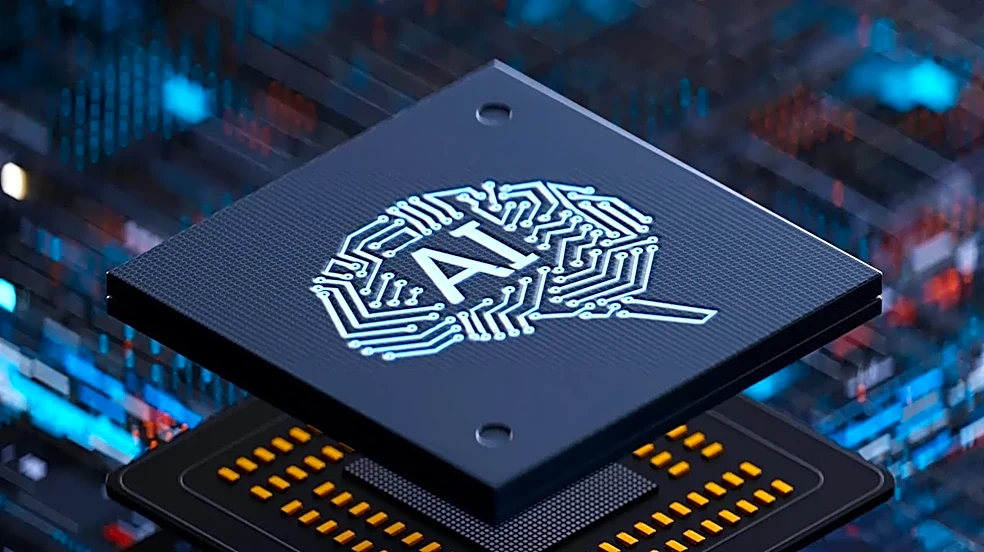
All this powerful AI software needs equally powerful hardware to run on. A quieter but critically important trend to watch will be the next generation of semiconductors and data infrastructure built specifically for AI workloads. This isn't just about faster chips; it's about specialized processors designed to handle the unique demands of machine learning models more efficiently. Think chips that consume less power while delivering more performance, which is crucial for everything from data centers to the AI running on your smartphone. These foundational hardware advancements are what make all other AI progress possible.
7. AI in Digital and Predictive Health
Healthcare is another sector poised for a massive AI-driven transformation. The technology on display will likely go beyond basic diagnostics. We're anticipating a focus on predictive health—AI models that can analyze a patient's genetic information, lifestyle data, and electronic health records to predict the likelihood of future illness. Other key areas will include AI-assisted robotic surgery for greater precision and AI platforms that accelerate drug discovery, potentially cutting down the time it takes to bring new medicines to market. This is about shifting healthcare from treating sickness to proactively maintaining wellness.