




The Decision to Go All-In on AI
In early 2026, Tesla announced a strategic shift so profound it makes the electric vehicle revolution feel like a prequel. The company is directing an astronomical $20 billion to $25 billion in capital expenditures this year not primarily toward building
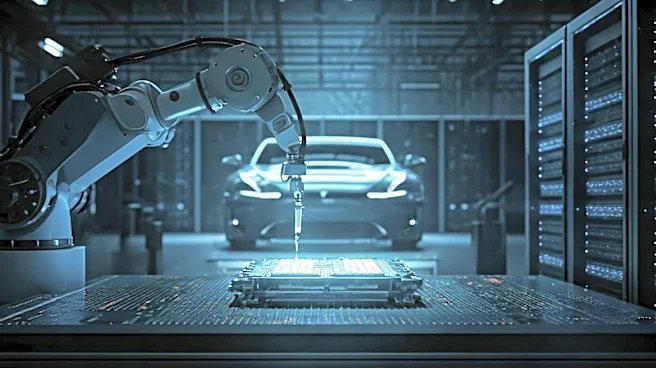
more cars, but toward dominating artificial intelligence and robotics. This isn't just a new R&D project; it's a fundamental change in corporate identity. Musk is re-orienting Tesla away from being just an EV maker and explicitly framing it as an “AI and robotics platform.” This involves massive investments in AI compute infrastructure, accelerating the development of the Optimus humanoid robot, and aggressively expanding the autonomous Robotaxi fleet, which has already begun unsupervised operations in cities like Austin. To underscore the pivot, Tesla is even retooling factory space previously used for its high-end Model S and X cars to support the production of Optimus robots.
The Obvious Play vs. The Real Gamble
For years, the world has seen Tesla as a company that sells cars. That was the obvious play: leverage its lead in the EV market, scale production, and fend off legacy automakers and new Chinese competitors. While still a goal, this is no longer the main event. The real gamble—the hidden bet—is that the value of a car is not in the hardware but in the intelligence that drives it. Musk is betting that solving full autonomy will unlock a value proposition so immense it will make today's car sales look trivial. Instead of just selling a $40,000 car, Tesla could operate that same car as a Robotaxi, generating revenue for years. The humanoid robot, Optimus, represents an even larger potential market, one Musk has called “the biggest product of all time.” He is effectively deprioritizing the race for EV market share in the short term to chase a multitrillion-dollar prize in AI-driven services and labor.
An Empire Built on Synergy
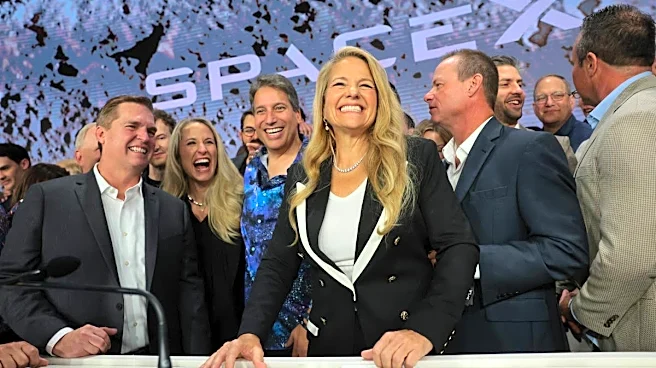
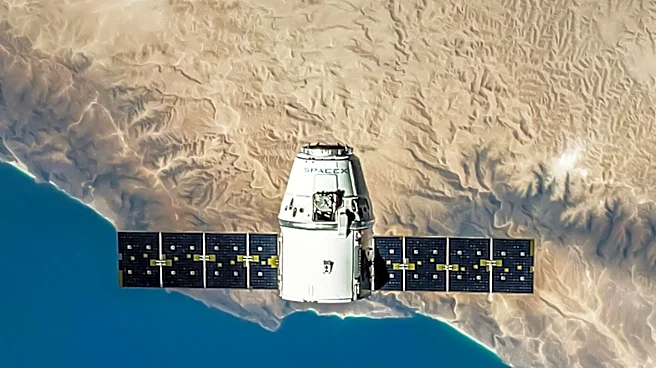
This AI-centric decision isn't happening in a vacuum. It’s the connective tissue for Musk’s entire empire. His separate AI startup, xAI, which recently merged with SpaceX in a staggering $1.25 trillion deal, is a key part of this strategy. Tesla has already invested $2 billion in xAI, creating a feedback loop of shared data, software, and talent. The vision is a vertically integrated technology stack: Nvidia provides the core chips, xAI develops the foundational AI models like Grok, Tesla creates the embodied AI in the form of cars and robots, and SpaceX provides the global connectivity through Starlink—and, eventually, perhaps even orbital data centers to power it all. This synergy is Musk’s ultimate advantage; no other company on Earth can replicate this combination of hardware, software, and infrastructure from the silicon level to low-Earth orbit.
Trillions in Value or a Historic Misstep?
The stakes of this bet are almost impossibly high. If Musk is right—if Tesla solves autonomy and successfully mass-produces a useful humanoid robot—the company's valuation could dwarf that of any corporation in history. His recently approved compensation package, potentially worth up to a trillion dollars, is explicitly tied to these audacious goals, requiring Tesla's market cap to grow to an incredible $8.5 trillion. However, if he's wrong, the consequences could be catastrophic. The enormous capital outlay on AI and robotics comes as Tesla's core auto business faces slowing sales growth and intense competition. Investing billions in unproven, futuristic projects while the primary business is under pressure is a classic recipe for corporate disaster. Critics worry that Musk’s focus is too diluted and that he is risking a dominant position in a proven market for a speculative dream. This decision will ultimately answer the central question of Elon Musk's career: is he a visionary who sees the future more clearly than anyone else, or is he betting his entire empire on a fantasy?