





The Official Story: A New Home Base
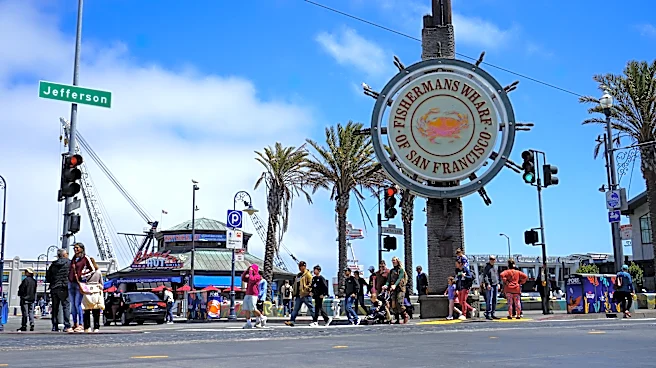
On the surface, the narrative is straightforward. Fastly, a key player in the internet's infrastructure, relocated its headquarters within San Francisco. The company moved from its long-time address to a new space at 475 Brannan Street. Such moves are
common in the fast-paced tech world, often chalked up to needing more space for a growing team, better amenities, or more favorable lease terms. The official line often involves creating an improved environment for employees and fostering innovation. For Fastly, a company that has come a long way from its early days in an office so hot it would melt lipstick, securing a premier location is a sign of maturity. But in an era where the very concept of a 'headquarters' is being questioned, the real story is never just about the physical space.
The Office as a Magnet, Not a Mandate
The deeper reason for Fastly's move lies in a strategic pivot happening across the tech industry. In a post-pandemic world of hybrid and remote work, the office is no longer a place employees are forced to be; it must be a place they want to be. The new headquarters isn't designed to be a container for a 9-to-5 workforce. Instead, it’s a magnet. Fastly, like many of its peers, has embraced a flexible work model. This shift means the HQ's primary role has changed from a factory floor for individual tasks to a clubhouse for culture and collaboration. The investment in a new, high-quality space is a direct attempt to make the commute worthwhile, offering an environment for creative synergy and team connection that a video call simply can't replicate. It’s a tool for attracting and retaining top talent who now expect flexibility as a baseline.
A Physical Bet on a Digital-First World
It might seem paradoxical for a company whose platform powers the decentralized, work-from-anywhere internet to invest heavily in a centralized physical office. Fastly is, at its core, a 'distributed by design' company. However, the move represents a calculated bet that even in a digital-first world, a physical anchor is crucial for maintaining a cohesive identity. As a company grows, its culture becomes harder to manage and disseminate. A thoughtfully designed headquarters acts as the cultural heart of the organization—a place where values are lived, mentorship happens organically, and new hires can absorb the company's ethos. It’s a tangible symbol of the brand for employees, customers, and investors, signaling stability and a long-term vision even as its workforce remains distributed globally.
It's About Strategy, Not Just Real Estate
Ultimately, Fastly’s relocation is a strategic play disguised as a real estate transaction. The company's leadership has been focused on driving 'operational discipline' and shifting toward more predictable, high-margin security products alongside its core content delivery network. A headquarters is a significant operational expense, and the decision to move reflects a conscious choice about where to allocate capital. By creating a hub designed for high-impact, in-person collaboration, the company is investing in efficiency and innovation. It’s a move that aligns with its broader business goals: fostering the kind of deep engineering and security work that requires both intense focus and creative sparks. The space is less about housing employees and more about facilitating the moments that drive the business forward.